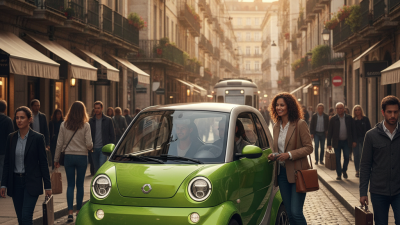
What are the Benefits of Electric Solo Cars for Commuting?
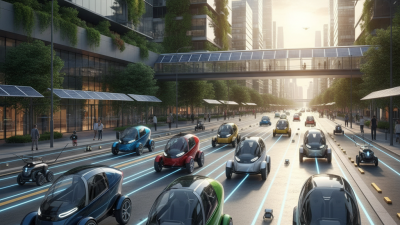
As urban traffic becomes increasingly congested, many commuters seek practical solutions. The "Electric Solo Car" emerges as a promising option. These compact vehicles can navigate through tight spaces, making them ideal for city driving. Dr. Emily Carter, a leading expert in sustainable transportation, states, "Electric Solo Cars represent a shift towards smarter commuting."
These cars offer several benefits. They reduce carbon emissions and lower fuel costs. However, some concerns linger. Charging infrastructure may not be universally available, leading to range anxiety. Additionally, the initial investment could be higher than traditional vehicles. Commuters may need to consider their lifestyle carefully before transitioning to electric.
The future of commuting is evolving. While "Electric Solo Cars" present numerous advantages, potential users should weigh the pros and cons. This journey requires thoughtful reflection on urban mobility and personal needs. The shift to electric commuting is not one-size-fits-all; it's a personal choice.
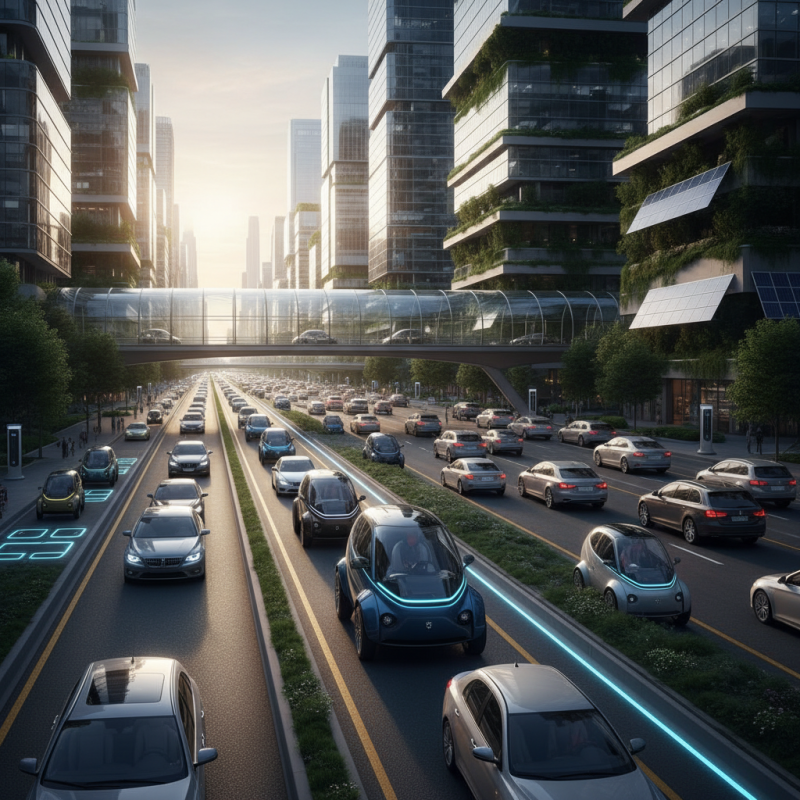
Advantages of Electric Solo Cars for Urban Commuting
Urban commuting presents unique challenges. Electric solo cars are emerging as practical solutions. According to a 2022 report from the International Energy Agency, electric vehicles (EVs) can reduce urban air pollution by up to 80%. This is crucial in cities with high traffic congestion. The silent operation of electric solo cars also contributes to lower noise pollution levels, creating a better environment for residents.
Moreover, these vehicles are cost-effective. A study by the U.S. Department of Energy highlighted that electric cars can save drivers over $800 annually in fuel costs compared to traditional gas vehicles. Maintenance costs can be lower too, as electric cars have fewer moving parts. However, some challenges remain. Charging infrastructure is still developing in many urban areas. Commuters often face long wait times at charging stations.
Electric solo cars offer flexibility, allowing individuals to navigate congested urban landscapes easily. They provide an intimate commuting experience, perfect for solo travelers. Yet, the initial purchase price can be a barrier for many. As cities evolve, addressing these concerns will be crucial for encouraging broader adoption of electric solo cars in urban settings.
Cost Efficiency: Lower Operating and Maintenance Expenses
Electric solo cars are becoming a popular choice for daily commuting. One major advantage is their cost efficiency. Studies show that these vehicles can reduce operating costs by up to 60% compared to traditional gasoline cars. This is largely due to lower fuel expenses. Charging an electric vehicle costs significantly less than filling a gas tank.
Maintenance expenses also drop. Electric vehicles have fewer moving parts. They do not require oil changes, which can save hundreds of dollars a year. Additionally, with many models featuring regenerative braking, brake wear is minimized, extending the life of brake components. According to the Electric Power Research Institute, maintenance costs for electric vehicles can be about 50% lower than for gasoline counterparts.
However, it’s important to consider the initial purchase price. While the cost can be higher, long-term savings often outweigh these upfront costs. Buyers should also think about charging infrastructure in their area. Availability can impact the overall convenience and operating costs. Thoughtful planning can significantly enhance the commuter experience and overall cost efficiency.
Environmental Impact: Reducing Carbon Footprint in Cities
Electric solo cars are transforming how we approach urban commuting. They offer a cleaner alternative to traditional vehicles. By utilizing electricity, these cars significantly reduce harmful emissions. This shift is crucial for cities plagued by air pollution. Cleaner air leads to better health for residents and a more pleasant urban environment.
The reduction in carbon footprint is a key benefit. Many cities are facing climate challenges. Electric cars can help mitigate these concerns. However, the infrastructure for charging and maintenance still needs improvement. Some areas lack adequate charging stations, which hinders widespread adoption. Additionally, the production of electric vehicle batteries poses environmental questions. It’s essential to balance these factors.
Real change requires thoughtful planning. City planners must prioritize sustainable transportation options. Electric solo cars can enhance public transport if integrated properly. More people might embrace this change if local governments incentivize eco-friendly commuting. Ultimately, the focus should be on long-term environmental benefits.
Benefits of Electric Solo Cars for Commuting
Convenience: Enhanced Accessibility and Parking Solutions
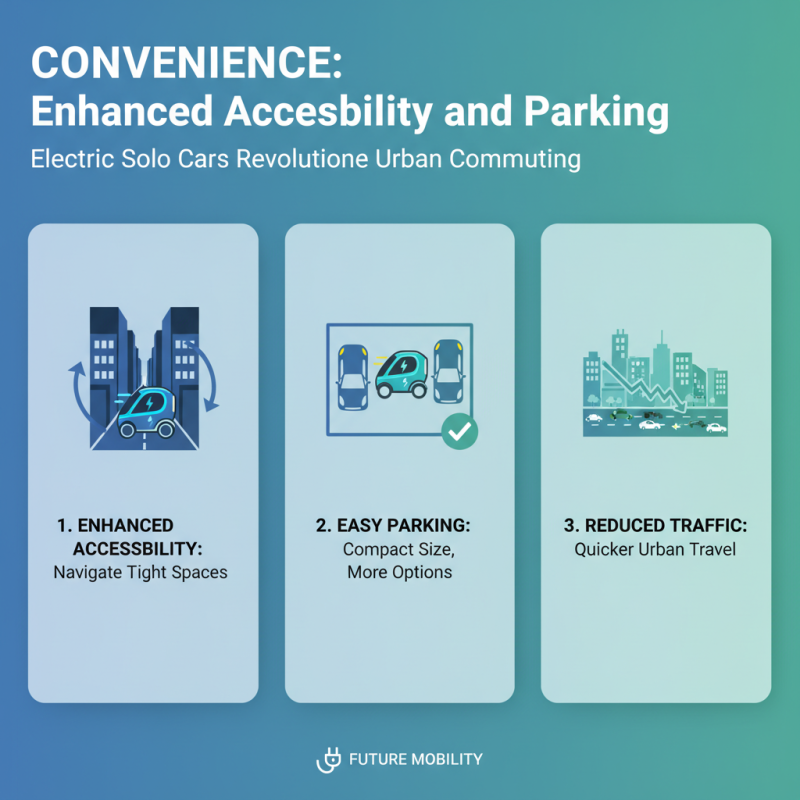
Electric solo cars are changing the way we commute. One significant advantage is enhanced accessibility. These compact vehicles can navigate through tight spaces, enabling drivers to reach their destinations quickly. Urban areas, with their busy streets, often present challenges. Electric solo cars help to ease these traffic woes.
Parking is another area where electric solo cars shine. Traditional cars often require large parking spots, causing congestion. In contrast, solo cars take up less space, simplifying parking. Many cities are implementing designated spots for these vehicles. This makes finding parking more convenient, especially in crowded areas.
Yet, there are challenges to consider. Charging stations are not as widespread as gas stations. Relying solely on electric vehicles can sometimes lead to range anxiety. Drivers may find it difficult to locate a charging point in certain areas. Despite these hurdles, the convenience of electric solo cars offers an appealing option for daily commuting. They reflect a shift towards more efficient transportation solutions while prompting ongoing discussions about our urban infrastructure.
Technological Features: Innovations for a Smarter Commute
Electric solo cars are changing the way we commute. They come with advanced technological features that enhance daily travel experiences. Many models include smart navigation systems. These systems provide real-time traffic updates. With this information, drivers can avoid congested routes. It’s a small detail, but it makes a big difference.
Another innovation is the use of regenerative braking. This technology helps recharge the battery while driving. It boosts efficiency and extends the range of the vehicle. However, not all drivers fully understand this feature. Some may underestimate how important it is for maximizing battery life.
Additionally, connectivity options define the modern electric solo car. Users can access music, maps, and communication apps seamlessly. Yet, reliance on technology could be problematic at times. Distractions from notifications can lead to dangerous driving. As we embrace these advancements, balance is key.
What are the Benefits of Electric Solo Cars for Commuting? - Technological Features: Innovations for a Smarter Commute
| Feature |
Description |
Benefit |
| Regenerative Braking |
Captures energy usually lost during braking |
Increases overall energy efficiency |
| Smart Connectivity |
Integration with mobile devices and apps |
Enhances navigation, charging station finding, and vehicle diagnostics |
| Advanced Driver-Assistance Systems (ADAS) |
Including features like lane-keeping, adaptive cruise control |
Increases safety and reduces driver fatigue |
| Customization Options |
Personalizable configurations and features |
Improves user experience and satisfaction |
| Charging Infrastructure |
Availability of public and private charging stations |
Facilitates convenient and efficient charging |
| Low Operating Costs |
Lower cost per mile compared to traditional cars |
Saves money on fuel and maintenance |