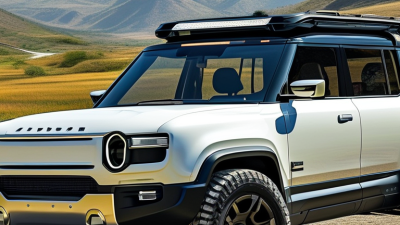
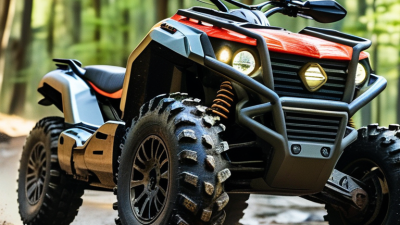
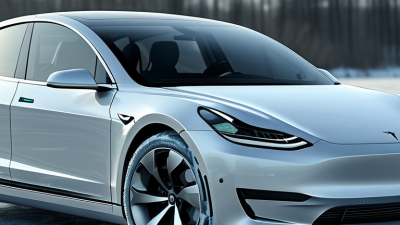
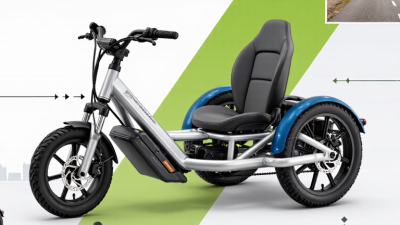
What Is the Best Electric Off Road Car in 2026?
Choosing the best Electric Off Road Car in 2026 depends on more than a bold shape or a large battery. Buyers need to know how a vehicle handles loose gravel, muddy tracks, steep climbs, and ordinary commutes. A capable off-roader should offer useful ground clearance, durable underbody protection, predictable traction control, and tires suited to its intended terrain. Range matters, too—but published figures rarely capture the extra energy used on rough, uneven routes.
The comparison should look beyond headline specifications. Battery capacity, charging speed, temperature management, payload, and towing limits can change how practical a vehicle feels far from paved roads. Independent road tests and clearly documented manufacturer data help separate measured performance from marketing claims. Even then, results depend on weather, tire choice, driving style, and route conditions. Details matter.
This guide examines the leading electric off-road options available or expected in 2026, while distinguishing confirmed specifications from projections. It considers trail ability alongside cabin comfort, safety features, ownership costs, charging access, and warranty coverage. No single model will suit every driver. A weekend trail user may value clearance and recovery points, while a rural commuter may care more about winter range and dependable charging. Some trade-offs are easy to overlook until the first long trip. That deserves a second look. The aim is not to declare a universal winner, but to identify which vehicle best fits different needs—and where the evidence still leaves room for doubt.
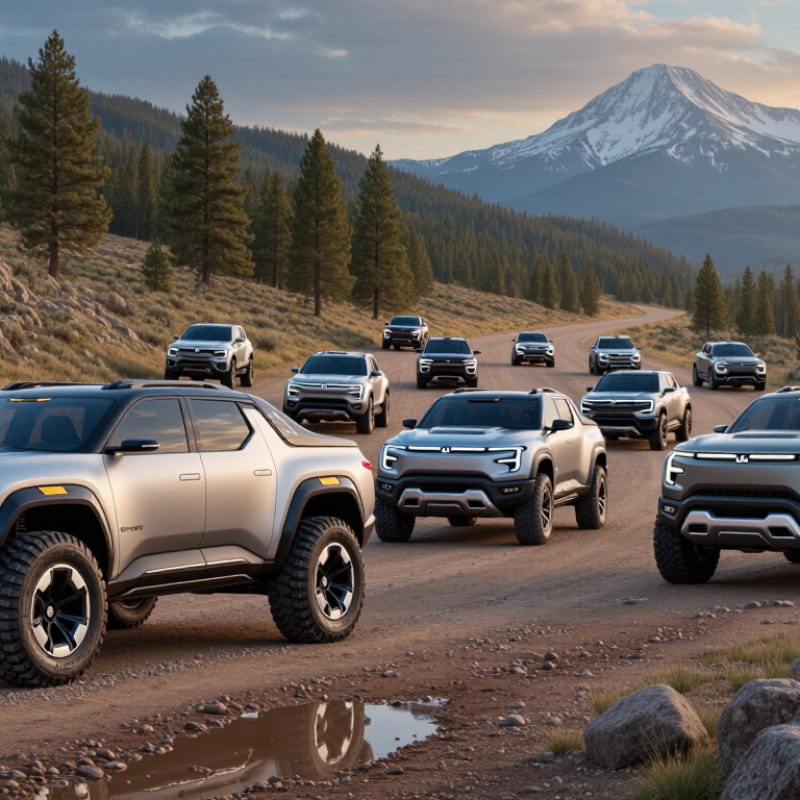
What Defines an Electric Off-Road Vehicle in 2026?
What defines an electric off-road vehicle in 2026? Not its battery alone. There is no single clearance figure that guarantees trail capability. Look for useful ground clearance, protective underbody shielding, suitable tires, and sealed electrical connections. Low-speed torque control matters on loose gravel, where a quick surge can spin the wheels. Heat management matters too, especially during slow climbs.
Efficiency is an advantage, not proof of ruggedness. The U.S. Department of Energy’s Alternative Fuels Data Center reports that electric vehicles convert about 59–62% of grid energy into power at the wheels, compared with 17–21% for gasoline vehicles. The IEA’s Global EV Outlook 2024 records nearly 14 million electric car sales in 2023, around 18% of global car sales. That figure shows market growth, not off-road ability. A vehicle’s real range can still drop sharply in mud, cold weather, or steep terrain. Test claims against the route you actually drive.
Tips: Check clearance and underbody protection, then review range estimates for low-speed, uneven travel. Carry a practical energy reserve. A specification sheet cannot replace a careful trail test.
Which Electric Off-Road Models Are Available in 2026?
Which electric off-road models are available in 2026? Buyers can choose among battery-electric pickups, SUVs, and crossovers with all-wheel drive. Some are purpose-built. Others are road-focused vehicles with extra ground clearance, protective underbody panels, or all-terrain tires. In select markets, electric utility vehicles also serve farms, trails, and work sites. Availability varies by region, and a model advertised for adventure may not be equipped for rough terrain.
The International Energy Agency’s Global EV Outlook 2025 estimated that electric-car sales topped 17 million in 2024, exceeding 20% of new-car sales worldwide. That growth supports wider choice, but it does not prove every electric model is trail-ready. Check ground clearance, tire specification, water protection, and whether the vehicle has recovery points. Battery and motor temperature management matter on long, steep climbs. So does charging access near remote routes. A quiet electric drivetrain can deliver precise low-speed control, yet heavy batteries may make soft ground harder to cross. Model names can mislead. Read the equipment sheet, not just the marketing copy.
How Do Their Range, Power, and Off-Road Features Compare?
What Is the Best Electric Off Road Car in 2026?
The best electric off-road car depends on where you drive and how far you travel. Range figures often come from controlled testing, not rocky trails or deep sand. Low-speed climbing, cold weather, and heavy tires can reduce usable distance. A vehicle with a larger battery may travel farther, but added weight can make soft ground harder to cross. Check real-world tests on terrain similar to yours.
Power matters, but delivery matters more. Electric motors can provide strong torque at low speeds, helping the wheels climb loose slopes with careful control. Look for selectable drive modes, a low-speed crawl setting, and traction control that responds smoothly. Ground clearance, underbody protection, and water-sealing details also shape trail confidence. One awkward trade-off: aggressive tires improve grip but can shorten range and increase cabin noise. More power is not always more useful.
Tips: Compare usable range, not just the advertised figure. Check charging access near your routes, then inspect approach and departure angles. Bring a realistic load estimate; passengers and gear affect both range and handling. A short test drive helps, though it cannot replace a rough trail evaluation.
What Is the Best Electric Off Road Car in 2026? — How Do Their Range, Power, and Off-Road Features Compare?
How to read the comparison: Range figures are published EPA estimates for the configurations shown; actual range varies with tires, temperature, speed, payload, and terrain. Off-road driving can reduce range substantially. Specifications and equipment may vary by model year, market, and option package.
Which Models Suit Different Terrains and Driving Needs?
The best electric off-road car in 2026 depends less on peak power than on your usual terrain. Rocky trails reward strong underbody protection, generous ground clearance, and precise low-speed control. A compact vehicle can turn more easily between trees, while a longer one may feel steadier on open tracks. Slow progress matters. On sand or muddy ground, predictable torque and suitable tires help maintain momentum without abrupt wheelspin. Check whether the vehicle’s recovery points and protective panels are designed for regular trail use, not just rugged-looking photos.
For snow, steep gravel, and mixed surfaces, adjustable traction settings and effective regenerative braking can make handling easier. Commuters who take occasional dirt roads may prefer a quieter ride, manageable dimensions, and enough range for the return trip. Frequent remote driving calls for more careful range planning: cold weather, soft ground, and climbing can use energy faster than a dashboard estimate suggests. There is no perfect setup. A vehicle tuned for rocks may feel cumbersome in tight forest paths, and large tires can reduce efficiency. Compare ground clearance, tire options, charging access, and real-world range, then test the vehicle on terrain similar to your own.
What Factors Should Buyers Consider When Choosing a Model?
Choosing an electric off-road vehicle starts with the trip, not the brochure. Estimate your usual trail distance, elevation gain, payload, and charging access. Mud, loose rock, and steep climbs use energy differently from a flat commute. Ask for independently measured range under load, not just a laboratory figure. That detail matters.
Cold weather can shrink the margin further. The U.S. Department of Energy and EPA report that EV range may fall about 41% at 20°F when cabin heating is used, compared with 75°F. Treat this as a stress case, not a prediction for every vehicle. Check battery preconditioning, thermal management, and whether the remaining charge covers the return leg. Test it.
Hardware matters as much as range. Check ground clearance, underbody protection, tire choice, approach and departure angles, water-wading limits, and recovery points. High torque means little if tires spin on wet clay. Charging access matters too: the IEA’s Global EV Outlook 2024 counted more than four million public charging points worldwide, following roughly 40% growth in 2023. Yet that network may not reach a remote trailhead. Compare charging speed, connector compatibility, and home-charging needs. I would still test a vehicle on a familiar rough route; paper specifications miss awkward details.
Choosing an Electric Off-Road Car in 2026: Charging Power Matters
Charging access is one practical factor when comparing electric vehicles for remote trips. These representative charger power ratings are examples, not a ranking of vehicle performance.
What to consider: Higher charger power can reduce charging time when the vehicle can accept it, but actual charging speed varies with the vehicle, battery temperature, and state of charge. For off-road use, also check real-world range on rough terrain, ground clearance, tires, all-wheel-drive capability, and recovery provisions.