

What Are the Best Tiny Cars for Adults in 2026?
Choosing among Tiny Cars For Adults in 2026 means balancing easy parking with everyday comfort. A short body can slip into tight spaces, yet cabin dimensions matter more once the commute begins. Can you sit comfortably, see clearly, and open the doors in a crowded parking spot?
This guide compares small city cars, microcars, and compact electric models through practical details: seating space, cargo room, visibility, safety features, efficiency, and price. A folded stroller or two grocery bags can reveal more about usable storage than a headline capacity figure. Seat adjustment and shoulder room deserve attention, too. They are easy to overlook.
The right choice depends on where and how you drive. A car that feels nimble on narrow streets may feel cramped on a longer trip. Range, charging access, fuel economy, and local availability also vary by vehicle and market. Verify specifications for the exact trim and model year before deciding; names and equipment can change.
There is no perfect tiny car. That matters. A test drive can expose awkward pedals, limited rear visibility, or seats that feel fine for ten minutes but not an hour. Still, size is personal. This overview will help identify promising options and trade-offs, while leaving room for one honest question: is the smallest choice really the most comfortable one?
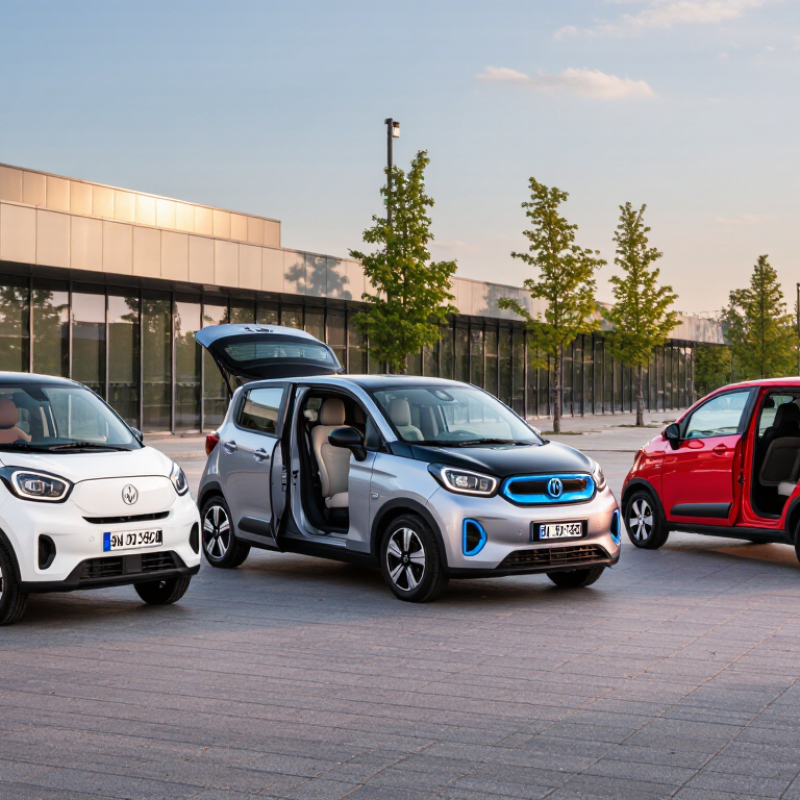
What Defines a Tiny Car for Adult Drivers in 2026?
What Defines a Tiny Car for Adult Drivers in 2026?
“Tiny” describes more than a short body. It means a car designed to fit tight streets and parking spaces without treating adults as an afterthought. There is no single global size cutoff, so judge the car by its usable cabin, doors, and cargo area. A compact exterior can still hide cramped rear seats.
Adults should be able to adjust the driver’s seat, see clearly, and enter without twisting awkwardly. Check headroom, knee space, and whether a second adult can sit behind the driver. Bring a backpack or grocery bag to see how much room remains. Small cars vary widely. A paper measurement cannot replace sitting inside.
Tips: Test the car with the people and items you actually carry. Try parallel parking, check visibility at intersections, and inspect safety features in the vehicle’s specifications. If rear passengers are common, have an adult sit back there for several minutes. Comfort may feel fine at first, then become tiring. That’s worth noticing.
Related Posts
-

10 Essential Tips for Choosing the Best Two Seat Electric Cars in 2023
-
How to Choose the Best Two Seat Electric Cars for City Driving
-
2026 Top Electric Tricycle Options for Global Buyers?
-
Exploring the Benefits of Small Electric Trikes: A Sustainable Solution Supported by 2023 Market Trends
-
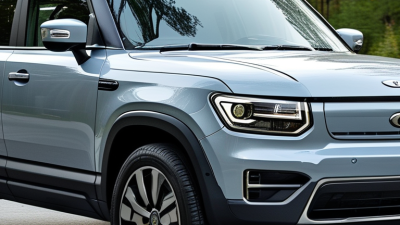
How to Choose the Best Two Seat Electric Car for Your Needs?
-
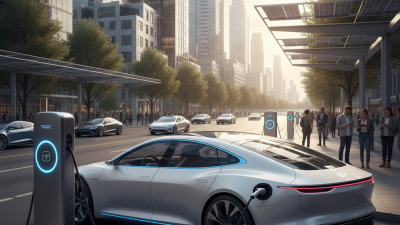
2025 How to Choose the Best Smart Electric Car: Insights & Trends


