What is the Best Tricycle for Elderly Safety and Comfort?
As the population ages, the demand for a reliable and safe "Tricycle For Elderly" grows. Experts like Dr. Robert Finley, a gerontology specialist, emphasize, “Choosing a tricycle for seniors means prioritizing safety and comfort.” Many elderly riders seek independence. Yet, they also need assurance while enjoying the outdoors.
A quality tricycle can provide more than transportation; it offers freedom. The right model can make a significant difference. Packed with features like low step-through frames and stable three-wheel designs, they cater to the unique needs of seniors. However, not every tricycle is suitable for every individual.
Potential buyers should carefully consider their options. Some models may sacrifice comfort for a lightweight design or trendy aesthetics. This can lead to discomfort during longer rides. Therefore, it’s critical to test various tricycles to find one that feels just right. Ultimately, a well-chosen tricycle can enhance mobility and quality of life for seniors.
Understanding the Unique Needs of Elderly Riders
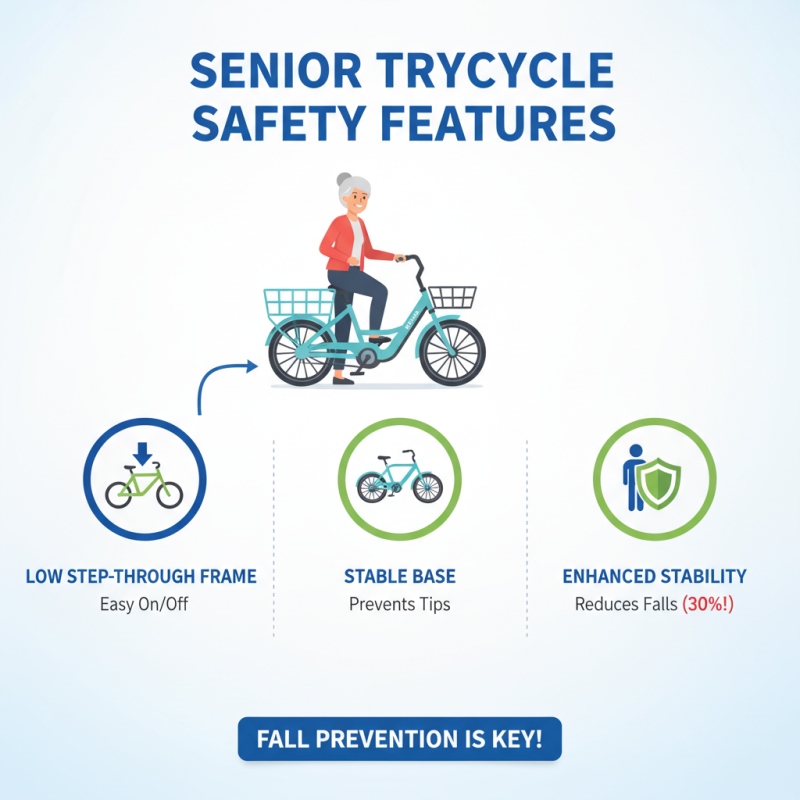
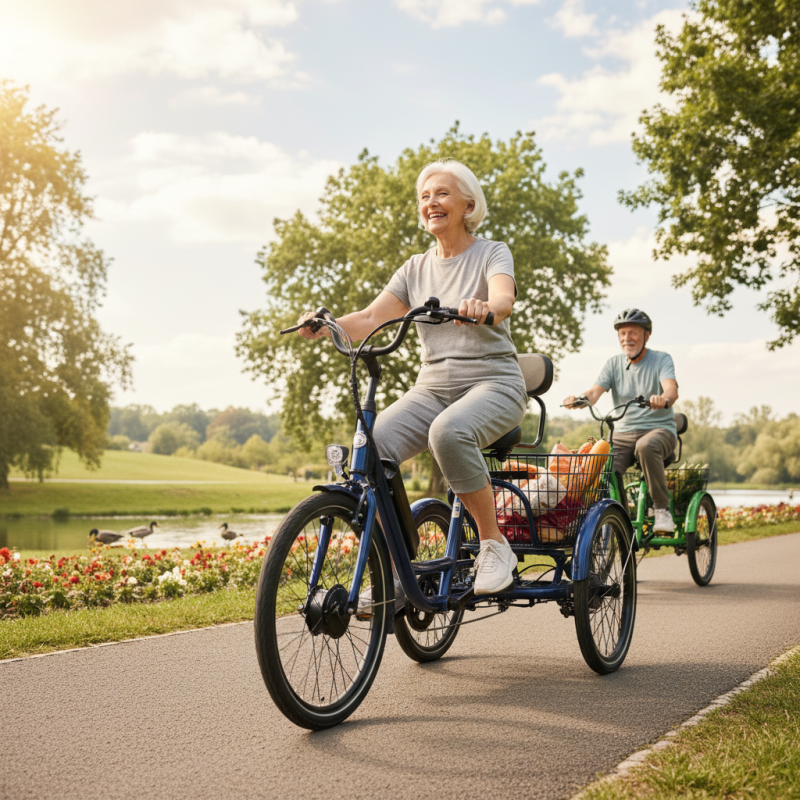
Understanding the needs of elderly riders is crucial for enhancing their safety and comfort while using tricycles. As we age, our physical capabilities change. Balance and coordination may decline. This could lead to an increased risk of falls or accidents. A tricycle designed for stability is essential. Wider tires can provide better grip on uneven surfaces. A low step-through frame makes getting on and off easier for seniors.
Comfort is another important factor. Seat height and padding should cater to elderly riders. A well-cushioned seat can make longer rides enjoyable. Armrests may also assist in providing support and reducing strain on joints. Visibility needs attention too. Bright colors and reflective materials can help keep elderly riders safe in low-light conditions.
Despite these considerations, not every tricycle meets all needs. Some may lack proper storage solutions for personal items. Adjustability in handlebars might be limited in certain models. It's vital for riders to test out different options. Personal experiences can reveal what truly works for comfort and safety. Each rider has unique requirements, making self-reflection an essential part of choosing a tricycle.
Safety and Comfort Features of Elderly Tricycles
Key Safety Features to Look for in Tricycles for Seniors
When choosing a tricycle for seniors, safety features should be paramount. Many studies show that approximately 30% of seniors experience falls while cycling. This statistic highlights the importance of features that enhance stability and protect against accidents. Look for tricycles with low step-through frames. This design allows ease of mounting and dismounting. A stable base is crucial, especially for those with limited mobility.
Braking systems must also be effective. Research indicates that about 40% of cycling accidents occur due to brake failure. Seniors should prioritize tricycles with hand brakes that are easy to operate. An additional feature to consider is reflective materials on the body. These can enhance visibility, especially in low-light conditions. The combination of these elements can greatly improve safety.
Comfort is another essential aspect. Padded seats and backrests can help reduce discomfort during long rides. Adjustable handlebars allow for better posture and control. Senior tricycle riders often face discomfort and fatigue. Therefore, these ergonomic features are vital. Ultimately, while many options exist, it is crucial to assess the specific needs of the rider. Safety features must align with individual comfort for a positive cycling experience.
Design Elements that Enhance Comfort and Stability for Elderly Users
When choosing a tricycle for the elderly, comfort and stability are key. A well-designed seat can significantly enhance the user experience.
Look for a broad, cushioned seat with back support. This design feature allows riders to maintain an upright posture, reducing strain on the back. Additionally,
adjustable seats can help accommodate different body types and preferences, ensuring a snug fit.
Stability is another critical aspect. A low center of gravity is essential to prevent tipping. Three-wheel designs are popular because they offer a stable base.
Wide wheel placement adds to this stability, providing a secure ride on various terrains. Some tricycles even feature anti-slip tires, which enhance grip and control.
This thoughtful detail can be crucial for elderly riders, especially in wet or uneven conditions.
Furthermore, handlebars should be designed for easy gripping. Ergonomic grips are a nice touch. They reduce hand fatigue, making longer rides possible.
In terms of safety, effective brakes should be easy to reach and operate. However, some designs may require more force than expected,
which can be a drawback for those with limited strength. These considerations shape the comfort and safety of elderly users, making the right choice essential
for a pleasant riding experience.
Top Recommended Tricycle Models for Seniors in the Market
When considering tricycles for the elderly, comfort and safety are paramount. Recent reports indicate that approximately 30% of seniors experience mobility issues. As a result, finding a stable and comfortable tricycle can significantly enhance their quality of life. Models designed specifically for seniors often feature wider seats, back support, and lower step-through frames. These elements make getting on and off much easier.
Many tricycles now include safety features like reflective strips and enhanced braking systems. Research shows that around 50% of accidents involving seniors can be reduced with better braking systems. A well-designed tricycle also provides a lower center of gravity, reducing the risk of tipping over. For example, certain models support weight capacities of up to 300 pounds, accommodating a diverse range of users.
However, not all seniors may feel comfortable with the transition to a tricycle. Some express hesitation, fearing imbalance or difficulty controlling the vehicle. Regular training sessions can help alleviate these concerns, but not all individuals are willing to invest that time. It's crucial to address these fears while promoting the benefits of mobility and independence through a tricycle. Ultimately, choosing the right model involves both personal preference and understanding the needs that arise with aging.
Maintenance Tips for Ensuring Safety and Longevity of Elderly Tricycles
Maintaining elderly tricycles is crucial for safety and longevity. Regular inspection is necessary. It’s advised to check tire pressure weekly. Overinflated or underinflated tires can lead to accidents. Additionally, a study by the National Institute of Health shows that proper tire maintenance can reduce the risk of falls by 30%.
Cleaning the tricycle regularly is equally important. A clean bike helps prevent rust and corrosion. Use mild soap and water for the frame. Pay attention to the brakes as well. Worn-out brakes can lead to serious injuries. A report by Cycling Safety Research states that poorly maintained brakes increase accident risks by 25%.
Lubricating the chain and gears is another key aspect. Use bike-specific lubricants for best results. Sticking gears can become a safety hazard, causing unexpected stops. Ensure all parts are tight and functioning properly. The American Heart Association emphasizes the need for overall mechanical safety. Regular maintenance decreases the chances of malfunction or injury.