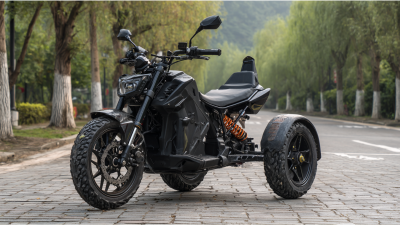
2026 How to Choose the Best Tricycle for Elderly Care?
Choosing the right tricycle for elderly care is essential. A good tricycle can enhance mobility and independence. It provides a safe way for seniors to enjoy the outdoors.
Various factors come into play when selecting a tricycle for elderly individuals. Comfort is paramount. A well-padded seat and sturdy handlebars can make a significant difference. Stability is also crucial. Look for models designed to prevent tipping. Safety features like lights and reflective elements enhance visibility.
Some might overlook the importance of ease of use. A tricycle for elderly users should allow for simple adjustments. Consider the storage options, as many seniors enjoy bringing along personal items. Ultimately, investing time in research is critical. A thoughtful choice can improve the quality of life for elderly individuals, promoting their well-being and happiness.
Understanding the Unique Needs of the Elderly in Mobility Solutions
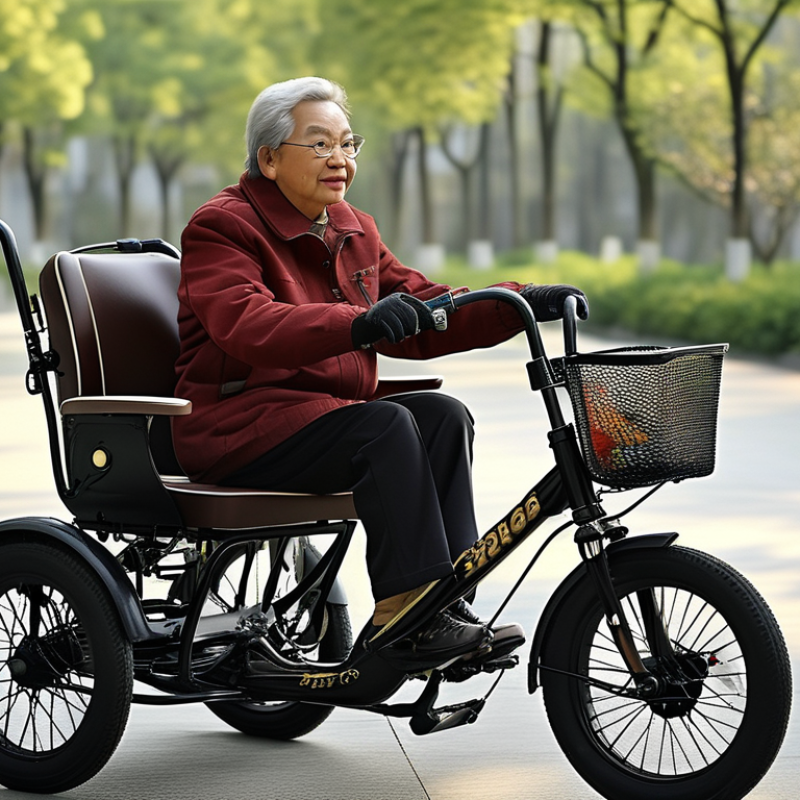
When choosing a tricycle for elderly care, it’s essential to recognize their unique mobility needs. Many elderly individuals may face challenges such as reduced strength, balance issues, or limited endurance. A well-selected tricycle can enhance their independence while ensuring safety and comfort.
Considerations should include seat height and stability. A lower seat allows for easier access. Wider bases offer better stability, reducing the chance of tipping. Look for features like adjustable handlebars, which can accommodate varying heights. This adaptability makes cycling more accessible for seniors.
Tips: Explore tricycles with comfortable, padded seats. This adds to the riding experience. Also, prioritize models with electric options for those who may struggle with pedaling. A model that folds may provide convenience for storage or transport.
Importantly, involve the elderly person in the selection process. Their comfort and preferences are vital. Reflect on the actual use of the tricycle. Will it be used for short leisure rides or longer trips? Understanding their intended use helps in making the right choice.
2026 How to Choose the Best Tricycle for Elderly Care?
| Feature |
Importance |
Considerations |
| Stability |
High |
Wide wheelbase, low center of gravity |
| Comfort |
High |
Padded seat, adjustable backrest |
| Ease of Use |
Medium |
Lightweight frame, simple controls |
| Safety Features |
High |
Reflectors, bells, handbrakes |
| Storage Options |
Medium |
Rear basket, accessory options |
| Adjustability |
Medium |
Adjustable seat height and handlebars |
| Durability |
High |
Rust-resistant materials, strong frame |
Key Features to Look for in Senior-Friendly Tricycles
When selecting a tricycle for elderly care, several key features are essential.
Comfort is paramount. Many reports indicate that around 80% of seniors require adjustable seats for optimal support.
Look for tricycles with padded seats and backrests. These enhance the riding experience significantly.
Stability is another critical factor. Tricycles with a low center of gravity provide better balance and reduce the risk of falls.
According to industry data, tricycles designed with wider wheelbases can decrease tipping by nearly 50%.
Seniors should feel secure while riding. Models with features like anti-slip tires can further ensure safety on various terrains.
Storage options are also important. Seniors often need to carry personal items or groceries.
A basket at the back can make everyday outings more convenient. Interestingly, reports suggest that many seniors find it challenging to manage small bags while riding.
Therefore, built-in storage solutions can enhance independence and usability.
Ultimately, considering these factors contributes to a more rewarding and safer tricycle experience for seniors.
Safety Considerations When Selecting a Tricycle for Seniors
When selecting a tricycle for seniors, safety should be the top priority. Reports indicate that falls account for over 30% of injuries in older adults. Understanding the features that enhance safety is crucial. Look for tricycles with a low center of gravity. This design minimizes tipping, offering better stability. Bright colors or reflective materials can improve visibility to others, reducing accident risks.
Another key aspect is braking systems. A reliable brake that is easy to operate is essential. Many tricycles feature hand brakes that are user-friendly, which is significant given that studies show approximately 60% of accidents involve loss of control. Ensure the tricycle comes with effective shock absorbers. These components can significantly reduce the impact when navigating uneven terrains, providing a comfortable ride.
Adults over 65 are not always aware of their limits. Therefore, education on safe riding practices is vital. Regular inspections of the tricycle for wear and tear can prevent unexpected failures during use. According to industry data, regular maintenance can reduce malfunctions by 50%. These decisions play a critical role in fostering independence while ensuring safety for elderly riders.
Assessing Comfort and Usability for Elderly Riders
When selecting a tricycle for elderly care, comfort and usability are paramount. A well-designed seat provides essential support. Padded seats can relieve pressure during rides. Good back support can prevent discomfort, especially for those with limited mobility. Adjustable seating can accommodate various body types, ensuring each rider finds the right fit.
Usability goes beyond just comfort. A tricycle should be easy to mount and dismount. Step-through frames can assist those with mobility issues. Handlebars at the right height promote an ergonomic posture. Brakes must be intuitive and easy to operate. Features like baskets for personal items add convenience for running errands.
However, there is no one-size-fits-all solution. Each user has unique needs. Some may prefer a three-wheel design, while others might lean toward recumbent models. Trial rides can reveal what works best. Balancing comfort and usability with personal preferences is essential. Listening to feedback can help refine choices.
Comfort and Usability Factors in Choosing Tricycles for Elderly Care
Comparative Analysis of Types of Tricycles for Elderly Care
When selecting a tricycle for elderly care, different types provide varying benefits. Three-wheel models often offer better stability than traditional bicycles. They typically support a wider base, reducing the risk of tipping. According to a recent report from the National Institute on Aging, stability is crucial for older adults, particularly those with balance issues.
Electric tricycles have gained popularity in recent years. A study by the University of Southern California noted that elderly users reported greater independence and higher mobility due to electric assist features. These tricycles allow users to travel longer distances without exerting excessive energy. However, the weight of electric trikes can be a concern. Users must evaluate the ease of handling and the weight before making a choice.
Compact folding tricycles are also available. They are suited for urban environments and limited storage spaces. Their design allows for easy transport, making them ideal for seniors who may wish to travel. However, some users find them less durable over time. This raises questions about balance between convenience and longevity. Therefore, evaluating specific needs and lifestyle considerations is essential when choosing the best tricycle.