How to Choose the Best Electric Trike for Adults?
When considering an electric trike for adults, you face a unique journey. The market is vast, and options are abundant, making the choice overwhelming at times. Each electric trike offers different features, performance metrics, and designs. Understanding these can lead to a better decision for your needs.
Electric trike adults may desire comfort, stability, and versatility. Many models feature ergonomic designs and spacious seating, ensuring a smooth ride. Some models also provide essential safety features. Yet, not all trikes measure up to expectations. Sometimes, the promised range falls short, or battery issues arise unexpectedly.
Evaluating your lifestyle is crucial. Do you plan short errands or longer excursions? Consider how distance, terrain, and weight capacity affect your choice. There’s no perfect electric trike. Each option comes with its trade-offs. Reflecting on these aspects can help you find the right fit.
Understanding the Different Types of Electric Trikes for Adults
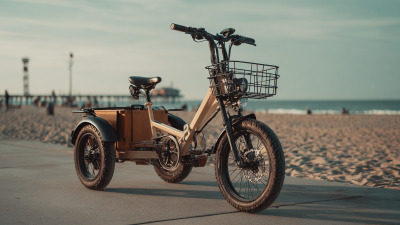
When considering electric trikes for adults, it's vital to understand the variations available. Electric trikes are generally classified into three main types: delta, tadpole, and cargo. Delta trikes feature two wheels at the rear, providing stability and ease of use. They are popular among seniors due to their comfortable seating and good balance. On the other hand, tadpole trikes have two front wheels and one in the back, offering better aerodynamics. This configuration can enhance speed and cornering, appealing to those seeking adventure.
Moreover, cargo electric trikes are designed for practicality. They come equipped with larger storage areas, making them suitable for hauling goods or groceries. According to a recent industry report, the market for electric trikes is expected to grow by over 20% annually. This rising interest is attributed to an increasing focus on eco-friendly transportation and active lifestyles.
However, selecting the right type requires careful reflection. A delta trike might feel stable but can be cumbersome in tight spaces. Conversely, tadpole trikes are faster but may feel less secure for beginners. Cargo trikes offer space but may sacrifice speed and maneuverability. Evaluating these aspects can be challenging. Personal needs and preferences play a crucial role in making the best choice. Understanding these differences is essential before making a purchase.
Electric Trike Types and Popularity Among Adults
Key Features to Consider When Selecting an Electric Trike
When choosing the best electric trike for adults, several key features warrant your attention. Start with the motor power. A robust motor ensures better speed and hill-climbing ability. Look for motors between 250W to 750W. If you're commuting uphill, go for a higher wattage.
Battery capacity matters too. A larger battery offers longer rides. A 48V battery usually provides a good range. However, bigger batteries can be heavier. Compute the balance between weight and distance. You want a trike that feels comfortable, not cumbersome.
Tips: Think about the frame size. A well-suited frame adds to comfort. If the trike is too large, you'll struggle. Safety features are also crucial. Check for quality brakes and lights. Always prioritize safety.
Another element to consider is the trike’s weight limit. Some can carry more than others. Ensure it meets your needs if you plan to carry cargo. Reflect on your intended use. Different uses require different features. For leisurely rides, comfort is key. For errands, you might want a sturdy frame and good storage options.
Evaluating Performance and Range of Electric Trikes
When evaluating the performance and range of electric trikes, several factors come into play. Battery capacity is crucial. Most electric trikes use lithium-ion batteries, which typically range from 36V to 48V. A higher voltage often means better performance. The average range of electric trikes can vary widely, but many models offer between 20 to 50 miles per charge. A recent industry report indicated that up to 40% of users expect a range of at least 30 miles. This expectation shapes how manufacturers design their products.
Motor power is another vital aspect to consider. Electric trikes commonly feature motors ranging from 250W to 750W. A more powerful motor will provide better acceleration and speed. However, it can also drain the battery faster. Users sometimes overlook this trade-off, leading to potential frustration during longer rides.
Weight plays a significant role in overall performance. Trikes can be heavier than standard bikes, making them harder to pedal manually. Some models weigh over 70 pounds. While a sturdy build adds durability, it can impact the rider’s experience, especially on inclines. An ideal choice balances weight with robust construction while ensuring a satisfying ride for both commuting and leisure.
Assessing Comfort and Ergonomics in Adult Electric Trikes
When choosing an electric trike, comfort and ergonomics are vital. A well-designed seat can make long rides enjoyable. Look for wide, cushioned seats that adjust easily. This feature helps accommodate different body types. Handlebars should be easy to grip and adjustable. Your hands should feel natural on the handle. This can reduce fatigue during longer journeys.
Tips: Test the seat before buying. Sit on it for a few minutes. It should feel supportive yet comfortable. Also, check the pedal height. Your feet should easily reach the pedals without straining.
Consider the trike's weight distribution. A well-balanced trike ensures stability and control. When riding, you want to feel secure. Narrow wheelbases may seem fast but can be tricky. Wider options provide more stability but can feel bulkier.
Think about your riding style and terrain. Smooth surfaces need different features than rugged trails. An electric trike should match your daily needs. Exploring various models can help clarify your preferences. Pay attention to what feels right for you. Sometimes, what looks good might not feel good in practice. Reflect on your experiences.
Budgeting: Cost Considerations for Buying an Electric Trike
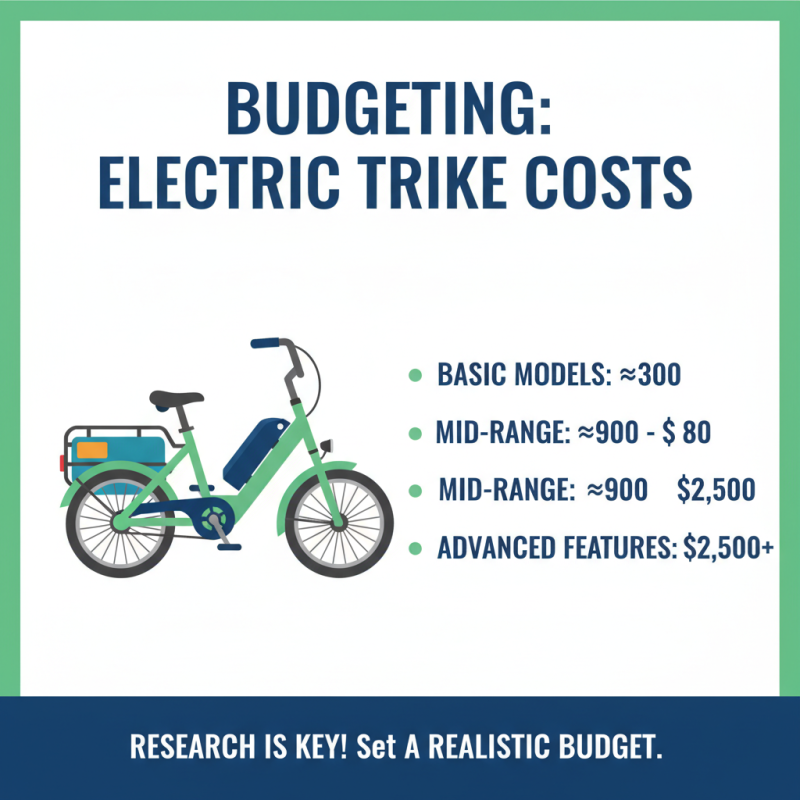
When budgeting for an electric trike, understanding costs is vital. Prices vary widely based on features. Basic models may start around a few hundred dollars. More advanced options, with additional features, can exceed a few thousand. Researching these ranges helps set a realistic budget.
Consider ongoing expenses too. Maintenance costs can add up. Battery replacements might be needed over time. Factor in insurance, registration, and potential accessories as well. These costs can catch many buyers off guard.
Reflecting on features is essential. Do you need a powerful motor or extra cargo space? Balancing needs with budget is crucial. Sometimes, spending more upfront saves money long-term. However, ensure you're not overspending on features you don't need. Reevaluate your priorities periodically as they might change with time.