What is an Electric Wagon Car and Why Choose One?
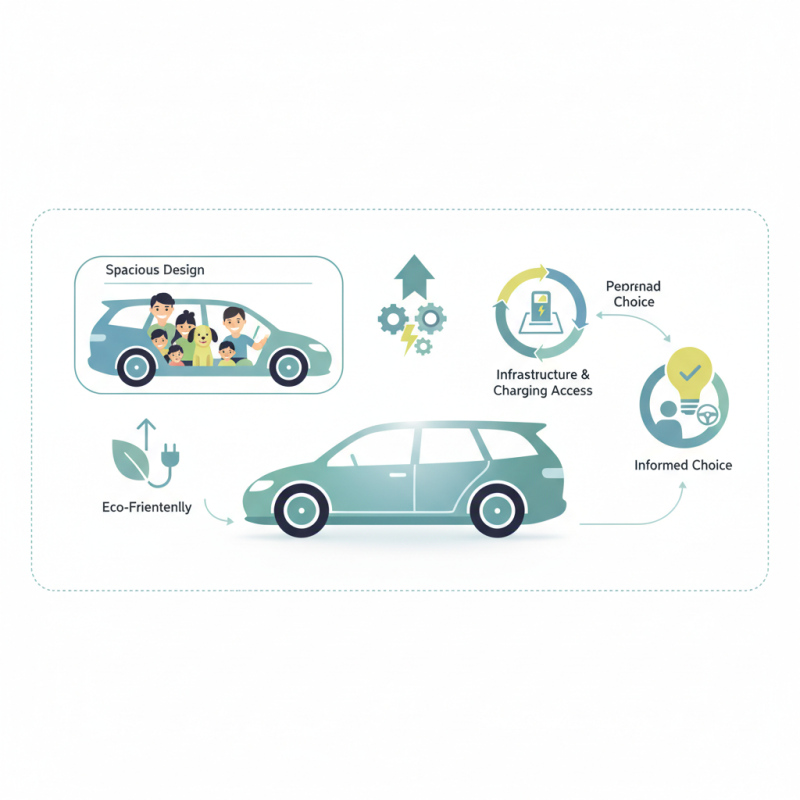
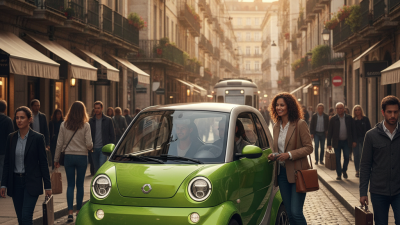
The Electric Wagon Car is revolutionizing personal and family transportation. This innovative vehicle combines practicality with eco-friendliness. It offers a spacious design, making it ideal for various needs. Families can comfortably fit children and pets while running errands or enjoying leisure time.
Choosing an Electric Wagon Car can be a significant lifestyle change. It encourages a more sustainable way of living by reducing carbon emissions. As electric technology advances, this car type becomes more efficient and user-friendly. However, one must consider infrastructure challenges and charging access, which can vary by location.
While the benefits are clear, it's essential to reflect on personal driving habits. Are you ready for the shift toward electric? A deeper understanding of your needs and expectations will guide you in making an informed choice.
What is an Electric Wagon Car and Its Key Features?
Electric wagon cars represent a significant advancement in sustainable transportation. These vehicles harness electric power, reducing carbon emissions. A recent report from the International Energy Agency noted that electric vehicles, including wagons, are projected to account for 30% of global car sales by 2030. This indicates a growing consumer shift towards eco-friendly options.
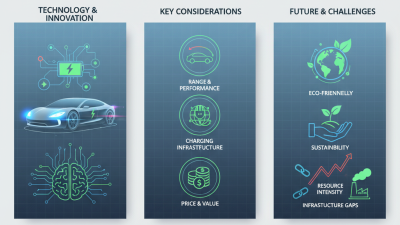
Key features of electric wagon cars include spacious interiors, advanced battery technology, and smart connectivity. Many models offer a range of up to 300 miles on a single charge. Some cars even provide fast-charging capabilities, replenishing miles in under an hour. However, potential buyers often face the challenge of finding charging stations. Accessibility can be limited in certain regions, prompting concerns about range anxiety.
Price remains a crucial consideration. While electric models can have a higher upfront cost, lower operating expenses may offset this in the long run. According to a 2022 study by the American Electric Power, electric vehicles have 50% lower maintenance costs compared to traditional cars. As awareness grows, many consumers are weighing the pros and cons before making the shift to electric wagons.
Electric Wagon Car Features Comparison
The Growth of Electric Vehicle Market: A Focus on Electric Wagon Cars
The electric vehicle market has seen remarkable growth. As people become more eco-conscious, electric wagon cars are gaining attention. These vehicles combine electric efficiency with spacious interiors. They are perfect for families and those who need extra cargo space. The range of an electric wagon car is improving. Many models now offer over 300 miles on a single charge.
Tips: When considering an electric wagon, look for a model with rapid charging capabilities. This feature can save you time on long trips. Another important aspect is the warranty. Ensure the battery and electrical components have substantial coverage.
While electric wagon cars are exciting, they are not without challenges. Some users report longer charging times compared to refueling traditional vehicles. There may be concerns about the availability of charging stations in certain areas. It is essential to evaluate your driving habits and location. Do they align with the electric vehicle infrastructure available? An informed decision requires considering these factors.
What is an Electric Wagon Car and Why Choose One? - The Growth of Electric Vehicle Market: A Focus on Electric Wagon Cars
| Model |
Range (miles) |
Charging Time (hours) |
Seating Capacity |
Price ($) |
| Electric Wagon A |
250 |
6 |
5 |
45,000 |
| Electric Wagon B |
300 |
5 |
7 |
50,000 |
| Electric Wagon C |
220 |
8 |
5 |
42,000 |
| Electric Wagon D |
280 |
4 |
6 |
48,000 |
Comparative Analysis: Electric Wagon Cars vs. Traditional Vehicles
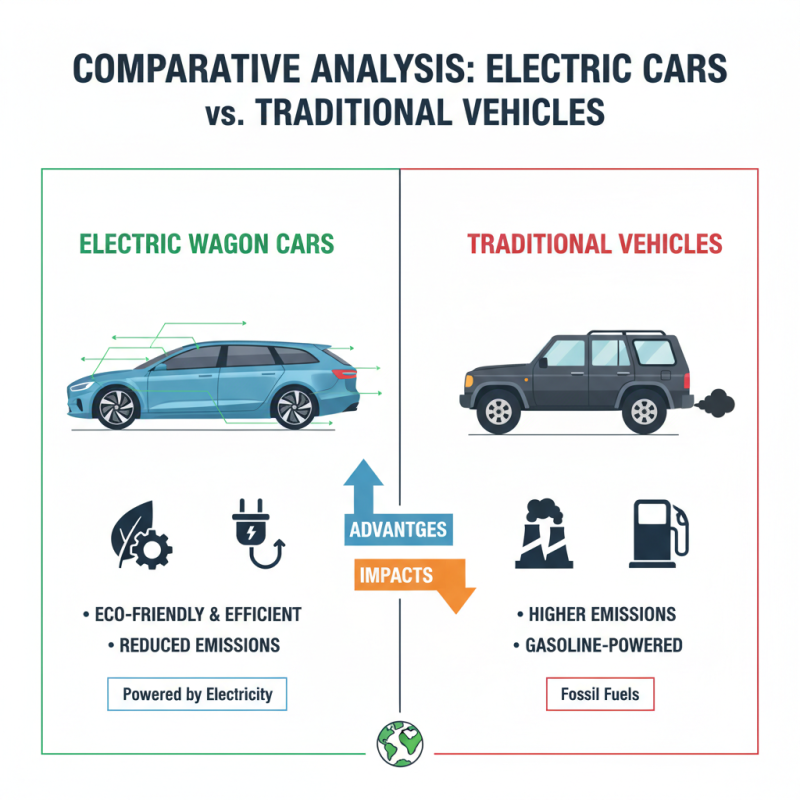
Electric wagon cars represent a new frontier in personal transportation. They offer distinct advantages over traditional vehicles, particularly in terms of efficiency and environmental impact. These vehicles run on electricity, which reduces greenhouse gas emissions significantly compared to gasoline-powered cars. This eco-friendly aspect attracts many environmentally conscious consumers.
One important area of comparison is maintenance. Electric wagon cars generally require less upkeep than traditional cars. They have fewer moving parts, lowering repair costs and time. However, battery life can be a concern. Owners might need to replace batteries every few years, which can be expensive. Understanding this aspect is crucial when considering an electric wagon.
**Tips**: It's wise to research battery warranties. Look for vehicles with long-lasting batteries. Also, consider your driving habits. If you drive long distances, evaluate the range of electric vehicles. Charging facilities should also be accessible to you. This can significantly affect your overall experience.
Moreover, electric wagon cars are usually quieter than traditional vehicles. This can lead to a more enjoyable driving experience. However, the lack of engine noise may be unsettling for some drivers. New owners may need time to adjust to this quieter ride.
In summary, electric wagon cars present both benefits and challenges. Weigh these factors carefully to determine if they fit your lifestyle.
Environmental Benefits of Electric Wagon Cars: Emission Data and Facts
Electric wagon cars are gaining popularity for various reasons, especially their environmental benefits. These vehicles produce zero tailpipe emissions, significantly reducing air pollution. In urban areas, this leads to improved air quality and a healthier environment. The concept of reducing greenhouse gas emissions greatly appeals to those concerned about climate change.
Data shows that electric vehicles (EVs) contribute to lower carbon footprints. For example, when powered by renewable energy, their life cycle emissions drop further. This makes them a viable option for eco-conscious consumers. However, it's essential to consider factors like battery production. While batteries are necessary for electric cars, their production does create environmental challenges. This aspect often sparks debate about sustainability in the EV market.
People also express concerns over electricity sourcing. If the grid relies on fossil fuels, the benefits of electric wagons diminish. Awareness of local energy sources is crucial for maximizing their positive impact. Ultimately, understanding these nuances can guide consumers in making informed choices about electric wagon cars.
Cost Efficiency of Electric Wagon Cars: Purchase and Maintenance Insights
Electric wagon cars present a unique blend of convenience and efficiency. They are designed for mobility, catering to families or individuals needing space. The cost efficiency of these vehicles is particularly noteworthy. The purchase price tends to be lower than traditional vehicles, especially with government incentives for electric vehicle buyers.
Maintenance costs for electric wagon cars are also appealing. These vehicles have fewer moving parts compared to gas-powered vehicles. Thus, they require less frequent maintenance. Batteries do need replacement, but advancements have extended their lifespan. Charging at home can reduce long-term fuel costs significantly, yet it requires a reliable electricity source.
However, consumers should consider some factors. Initial costs can still be substantial for higher-end models. Additionally, the availability of charging stations might vary by location. Not everyone may find access convenient. Balancing these considerations is crucial for those looking to invest in an electric wagon car.