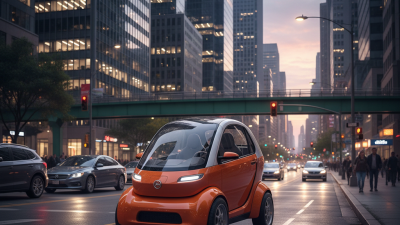
Are Tiny Cars For Adults the Future of Urban Travel?
As urbanization accelerates, cities face increasing challenges related to congestion and pollution. Traditional vehicles are not sustainable solutions. Tiny Cars For Adults may represent an innovative step forward in urban travel. These compact vehicles offer flexibility and efficiency, making them ideal for crowded streets.
Manufacturers are designing these cars with urban commuters in mind. Their smaller size allows for easier parking and maneuverability in tight spaces. With advanced technology, Tiny Cars For Adults are becoming more appealing. They promise lower emissions and reduced traffic congestion. However, questions remain about safety and regulation.
People need time to adjust to this new mode of transport. Public perception may be slow to change. How these cars integrate with existing infrastructure is another concern. Challenges exist, but the possibility of Tiny Cars For Adults transforming urban travel is undeniable.
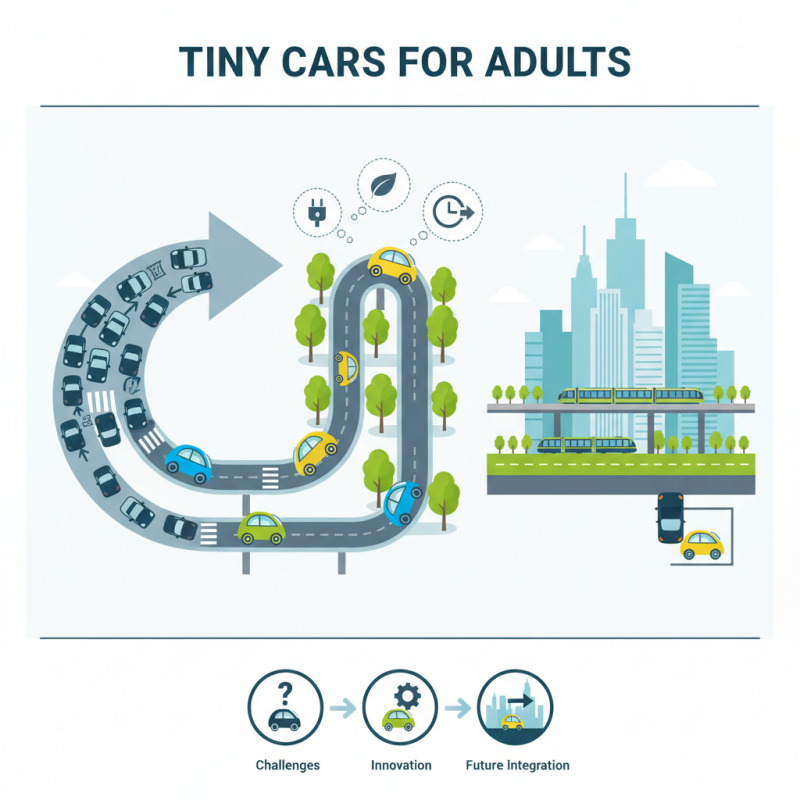
The Rise of Tiny Cars: A Response to Urbanization Challenges
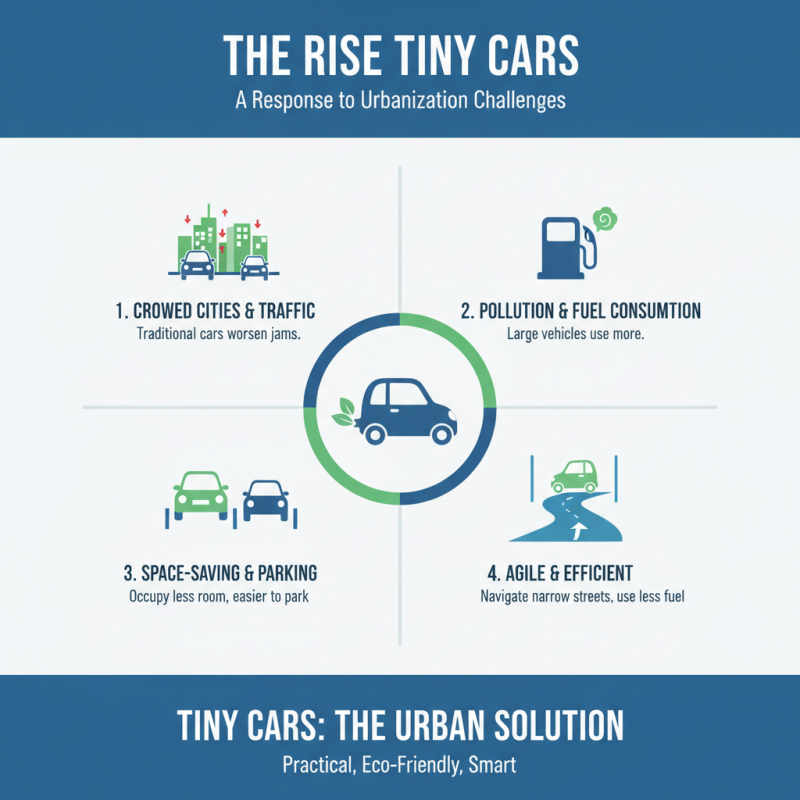
Urbanization has led to crowded cities. Traditional cars often worsen traffic jams and pollution. Tiny cars seem to be a viable solution. They occupy less space and use less fuel. These compact vehicles can navigate narrow streets with ease. Their size makes parking simpler in busy areas. More people are considering tiny cars as a practical option.
Despite their benefits, tiny cars face challenges. Safety concerns are paramount. Smaller vehicles may not protect occupants during accidents as effectively as larger ones. Additionally, not everyone may feel comfortable driving such diminutive vehicles. The stigma around tiny cars still exists. Some view them as unsuitable for families or longer trips.
Cities are evolving, and the need for efficient transport grows. Tiny cars could reshape urban travel. They may reduce congestion and emissions. However, their limitations must be acknowledged. Effective infrastructure is crucial. As urban planners adapt, tiny cars might play an essential role. The future of commuting could be much more compact.
Advantages of Tiny Cars for Urban Commuters
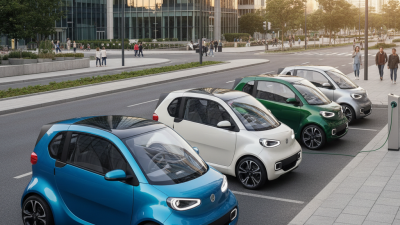
Tiny cars are emerging as a viable solution for urban travel. Their compact size allows for easy navigation through crowded city streets. These vehicles can squeeze into tight parking spots, saving time and reducing parking stress. For urban commuters, this offers a remarkable advantage, especially in high-traffic areas.
One significant benefit of tiny cars is their environmental friendliness. Many models are designed to be energy-efficient or even fully electric. This helps reduce city pollution and carbon emissions. Urban areas substantially benefit from cleaner air, boosting residents' overall health.
**Tips:** Consider your daily commute. A tiny car might save you money on fuel and maintenance. Check local regulations; some cities offer perks for small electric vehicles. Remember to evaluate your lifestyle. Tiny cars are not for everyone, but they could simplify your urban experiences.
Are Tiny Cars For Adults the Future of Urban Travel?
This chart illustrates the potential advantages of tiny cars for urban commuters based on various factors such as fuel efficiency, cost of ownership, parking convenience, and environmental impact. Each dimension highlights why tiny cars could be the future of urban travel.
Environmental Impact of Using Tiny Cars in Cities
Tiny cars are gaining attention as a possible solution for urban travel. These compact vehicles can navigate congested streets and fit into tight parking spots. With cities becoming denser, the appeal of tiny cars increases. They offer a practical alternative to larger vehicles, which often contribute to traffic jams and pollution.
The environmental impact of tiny cars in urban areas is significant. Smaller cars consume less fuel and emit fewer greenhouse gases. They can help reduce the carbon footprint of city life. However, we must consider their production and disposal processes. Manufacturing tiny cars still requires resources and energy. The sustainability of these vehicles depends on their lifecycle.
While tiny cars present a promising option, challenges remain. Infrastructure must adapt to accommodate these vehicles. Cities need charging stations for electric tiny cars and designated lanes for safety. Also, tiny cars may not suit everyone. Individuals with families or specific needs may find them less practical. Balancing these factors is crucial for the future of urban travel.
Are Tiny Cars For Adults the Future of Urban Travel? - Environmental Impact of Using Tiny Cars in Cities
| Category |
Tiny Cars |
Compact Cars |
Traditional Cars |
| Average CO2 Emissions (g/km) |
50 |
90 |
150 |
| Parking Space Required (m²) |
8 |
12 |
20 |
| Average Fuel Efficiency (mpg) |
80 |
50 |
25 |
| Cost of Ownership ($/year) |
1,200 |
1,800 |
3,000 |
| Urban Traffic Contribution (%) |
10 |
30 |
60 |
Design Innovations in Tiny Cars for Enhanced Urban Mobility
Urban mobility is rapidly evolving. Tiny cars for adults are becoming a viable solution. Recent reports show that urban vehicle ownership is declining. By 2030, it is predicted that shared mobility services will grow to represent 25% of the total miles traveled in urban settings. This trend opens the door for innovative designs that prioritize space efficiency and sustainability.
Design innovations in tiny cars focus on multifunctional space. Vehicles now feature compact interiors, making them easy to navigate through crowded streets. Lightweight materials enhance fuel efficiency, which is vital in urban commuting. Some models even incorporate electric propulsion, reducing carbon footprints significantly. A study found that small electric cars can reduce energy consumption by up to 70% compared to traditional vehicles.
**Tip:** When considering a tiny car, evaluate its parking capabilities. Many models can fit in spaces where larger vehicles cannot.
Nonetheless, challenges persist. Safety remains a concern, as tiny cars may be more vulnerable in accidents. Traffic regulations often do not reflect the unique characteristics of these vehicles. The balance between innovation and practicality requires careful consideration by designers and manufacturers alike.
**Tip:** Test drive different models. Understand how they handle in various urban conditions. This experience can guide your decision-making.
Future Trends: Integrating Tiny Cars into Urban Transportation Systems
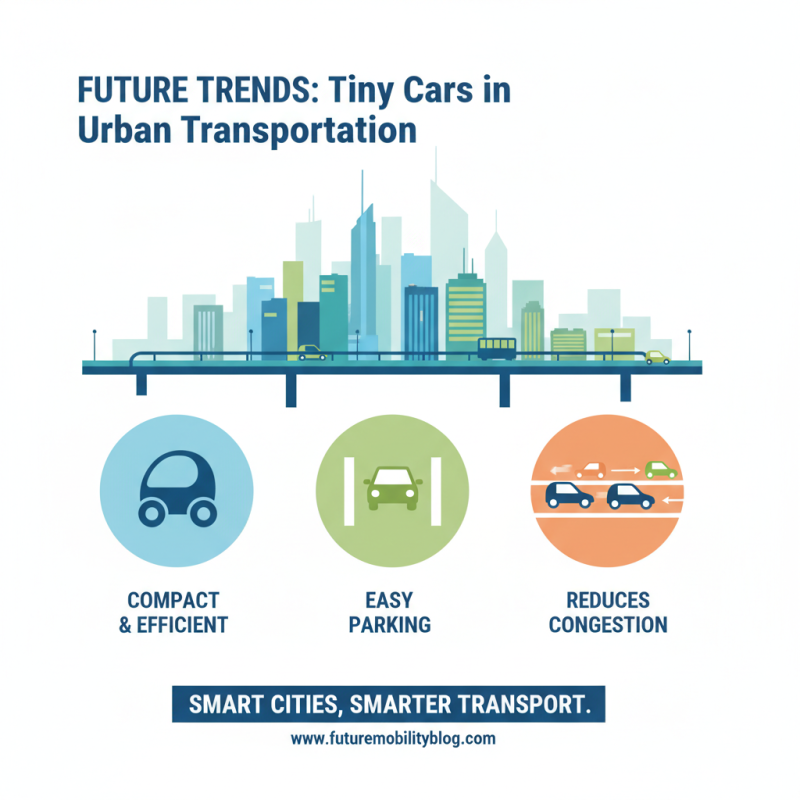
Urban areas are changing rapidly. Tiny cars may be part of this transformation. As cities face congestion and pollution, tiny cars could offer a practical solution. These vehicles are compact and efficient. They fit well in tight spaces, making parking easier. Imagine driving a tiny car through crowded streets without worrying about getting stuck.
Integrating tiny cars into public transportation systems poses challenges. Roads may need to be redesigned to accommodate them. Current infrastructures often favor larger vehicles. How do we ensure tiny cars share the road safely? Additionally, public perception plays a crucial role. Many people associate car size with status. Shifting this mindset may take time. Some urban planners believe tiny cars can enhance mobility. They could reduce traffic and lower emissions if integrated wisely.
However, not all cities will embrace tiny vehicles. Areas with heavy snow or extreme weather might have concerns. Climate impacts could influence design, making them less practical. Moreover, tiny cars may not meet everyone's needs. Families with children require larger vehicles. As we explore these options, engaging communities becomes essential. Ultimately, the future of tiny cars hinges on collaboration and innovation.