How to Prevent Your Electric Car from Freezing in Winter 2025 Guide
As the winter months approach, electric car owners must prepare for the harsh realities of cold weather. One of the most pressing concerns during this time is the risk of a Frozen Car Electric, which can lead to a range of issues, from diminished battery performance to difficulties in starting the vehicle. Unlike traditional gasoline cars, electric vehicles (EVs) rely heavily on their battery systems, which can be significantly affected by low temperatures. Understanding how to safeguard your EV from freezing conditions is essential for maintaining optimal performance and ensuring reliable operation throughout the winter season.
In this guide, we will explore effective strategies to prevent your electric car from succumbing to the cold. From the importance of pre-conditioning your battery to utilizing winter tires specifically designed for EVs, we will provide you with practical tips and best practices. By being proactive, you can ensure that your electric vehicle remains functional and efficient, even in the most challenging winter conditions. Keep reading to learn how to combat the challenges of a Frozen Car Electric and enjoy a worry-free winter driving experience.
Understanding the Challenges of Electric Cars in Winter Conditions
Winter poses unique challenges for electric car owners, primarily due to the impact of cold temperatures on battery performance. As temperatures drop, the chemical reactions within the battery slow down, leading to reduced range and efficiency. Additionally, electric cars rely heavily on heat for cabin comfort, which further drains the battery. Understanding these challenges is crucial for preventing battery drain and ensuring your electric vehicle (EV) operates effectively during harsh winter months.
To help mitigate these issues, here are a few tips for electric car owners.
First, always precondition your vehicle while it's still plugged in. This means using the charging source to heat the cabin and battery, preserving range once you begin driving.
Secondly, consider utilizing eco-modules or energy-saving modes, which can help maximize your remaining battery life. Keeping your EV's battery charged above 50% is also essential, as lower charge levels can lead to diminished performance in cold weather.
Lastly, invest in a good set of winter tires. Cold temperatures can affect tire pressure and grip, impacting your overall safety and efficiency on the road. By equipping your electric car with the right tires, you can improve traction and driving performance during winter driving conditions. These steps will not only enhance your driving experience but also extend the lifespan of your vehicle's battery in extreme weather.
Importance of Battery Management for Cold Weather Performance
Effective battery management is crucial for maintaining the performance of electric vehicles (EVs) in cold weather. As temperatures drop, the chemical reactions within the battery slow down, leading to reduced capacity and overall range. To combat this, drivers can adopt several strategies to optimize battery health during winter months. One key practice is to keep the battery at a moderate charge level, ideally between 20% and 80%, which helps prevent deeper discharges that can be harmful in cold conditions.
Additionally, utilizing the vehicle's thermal management system can significantly improve battery performance in chilly climates. Many electric cars come equipped with features that allow for pre-conditioning the battery, warming it up before driving. Engaging these systems ensures that the battery operates efficiently from the start, maximizing both range and performance. In conjunction with proper charging habits, taking advantage of this technology creates a comprehensive approach to battery management that is essential for driving confidently in winter weather.
Temperature Impact on Electric Car Battery Performance
This bar chart illustrates the impact of temperature on the efficiency of electric car batteries. As temperatures drop, battery performance decreases, particularly evident at -10°C, where efficiency plummets to 70%. Understanding this relationship is crucial for effective battery management in winter conditions.
Preparing Your Electric Vehicle Before Winter Arrives
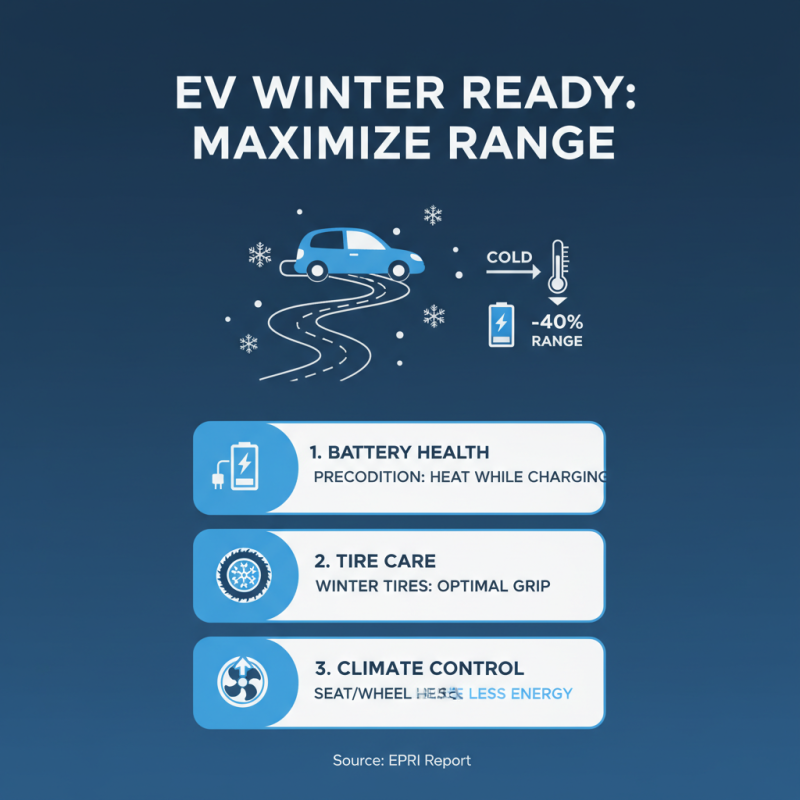
As winter approaches, the importance of preparing your electric vehicle (EV) to withstand freezing temperatures cannot be overstated. According to a report by the Electric Power Research Institute (EPRI), electric vehicles can lose up to 40% of their range in extremely cold weather, primarily due to battery inefficiency and increased energy demands for heating. Therefore, proactive measures are essential to ensure optimal performance during the winter months.
One of the most effective preparations is to ensure your EV’s battery is fully charged before the onset of colder temperatures. Studies indicate that lithium-ion batteries, which power most electric cars, perform better at warmer temperatures. Keeping your battery charged above 50% can help mitigate the effects of cold weather. Additionally, utilizing features such as preconditioning, which heats the cabin and battery while the car is still plugged in, can significantly reduce the strain on the battery once you start driving.
Another crucial aspect of winter preparation is optimizing your EV’s tires for better traction and performance. The U.S. Department of Energy emphasizes that proper tire pressure can drop in cold weather, leading to decreased efficiency. Ensuring your tires are adequately inflated and switching to winter tires can enhance grip and safety on icy roads. By addressing these key areas, electric vehicle owners can navigate winter challenges more effectively, maintaining both vehicle performance and safety throughout the harsh season.
Effective Strategies for Maintaining Cabin and Battery Temperature
As winter approaches, electric car owners must adopt effective strategies to maintain cabin and battery temperature to ensure optimal performance. One essential method is to utilize preconditioning features, which allow you to heat the cabin before starting your journey. By plugging your vehicle into a charger while preconditioning, you can warm the interior without drawing significant power from the battery. This process not only enhances comfort but also helps retain battery efficiency by warming the battery pack, making it less susceptible to the cold.
Another strategy is managing your battery's state of charge effectively. Keeping your battery between 20% and 80% charged can help reduce the impact of freezing temperatures on battery performance. Additionally, investing in insulated covers for the battery can help mitigate heat loss during extreme cold. This insulation can retain heat generated from the battery’s own operation and assist in maintaining the temperature, ensuring that the car is ready to perform without decreased range or efficiency when the temperature drops significantly.
Furthermore, it is important to park in a garage or covered area whenever possible. Not only does this protect the vehicle from direct exposure to cold winds and snow, but it also helps preserve a more stable environment for the battery and cabin. If outdoor parking is unavoidable, consider using car covers specifically designed for cold weather, which can provide an additional layer of insulation and protection against the elements.
Tips for Charging Your Electric Car Efficiently During Cold Weather
Charging your electric car during winter can be challenging due to the effects of cold weather on battery performance. To maximize your charging efficiency, start by parking your car in a garage or insulated space whenever possible. This helps maintain a higher ambient temperature around the battery, reducing the energy needed for charging. If indoor parking isn't an option, consider using a battery blanket or thermal wrap designed specifically for electric vehicles. These products retain heat and can significantly improve charging efficiency.
When it comes to charging itself, opt for a Level 2 charger if available, as it typically offers faster charging times compared to standard 120V outlets. Additionally, charge your vehicle when temperatures are at their highest, usually in the afternoon, to make the most of the warmer ambient conditions. It’s also important to precondition your car while it’s still plugged in; this warms up the battery and cabin using energy from the grid rather than depleting your battery’s charge, ensuring that you start your drives with maximum efficiency and range.
How to Prevent Your Electric Car from Freezing in Winter 2025 Guide
| Tip |
Description |
Recommended Action |
| Utilize Garage Parking |
Keeping your electric car in a garage can help shield it from freezing temperatures. |
Park your car in a heated garage when possible. |
| Precondition the Battery |
Preconditioning the battery helps maintain optimal temperature before driving. |
Use your car’s app to precondition the battery while still plugged in. |
| Use Winter Tires |
Winter tires provide better traction and can help maintain performance in cold weather. |
Switch to winter tires before the cold season. |
| Schedule Charging |
Charging during off-peak times can help manage energy costs while keeping the battery warm. |
Set charging times in the vehicle’s settings to align with warmer nighttime hours. |
| Monitor Battery Levels |
Keeping the battery level above 20% can prevent freezing issues. |
Regularly check battery levels and charge accordingly. |