Why You Should Ride In An Electric Car for a Greener Future
As the world grapples with the pressing issue of climate change, the transition towards sustainable transportation becomes more crucial than ever. Riding in electric cars is not merely a trend; it's a significant step towards reducing our carbon footprint and fostering a greener future. Renowned environmental expert Dr. Emily Carter emphasizes this point by stating, "Every journey in an electric car is a stride towards a cleaner planet, showcasing our commitment to sustainable living."
The shift to electric vehicles represents a fundamental change in how we approach transportation, aiming not only to enhance efficiency but to foster a sustainable lifestyle. By choosing to ride in electric cars, individuals contribute to a reduction in harmful emissions and promote the use of renewable energy sources. As cities around the globe invest in charging infrastructure and cleaner energy solutions, the benefits of riding in electric cars become increasingly evident.
Furthermore, embracing electric mobility can inspire collective action, encouraging communities to prioritize environmental responsibility. The notion of riding in electric cars transcends mere convenience; it embodies a vision for a cleaner, healthier world for future generations. In this context, understanding the importance of electric vehicles is paramount as we collectively strive for a more sustainable future.

Benefits of Electric Cars for the Environment
Electric cars play a pivotal role in reducing environmental impact, primarily due to their lower greenhouse gas emissions. Unlike traditional vehicles that rely on fossil fuels, electric cars produce zero tailpipe emissions, which significantly contributes to improved air quality. This reduction in air pollutants is especially beneficial in urban areas, where traffic congestion often leads to higher levels of smog and respiratory issues among residents. By transitioning to electric vehicles, we can create cleaner cities and promote better health outcomes for all.
Moreover, the energy efficiency of electric cars is another significant advantage. They convert a higher percentage of electrical energy from the grid to power at the wheels compared to conventional vehicles that lose much of their energy to heat and friction. As renewable energy sources like solar and wind become increasingly integrated into the grid, electric cars offer the potential for a sustainable transportation solution that further lessens carbon footprints.
Adopting electric vehicles not only supports cleaner energy usage but also fosters a greater demand for sustainable practices in energy production, accelerating the shift toward a greener future.
Understanding Electric Vehicle Technology
Electric vehicle (EV) technology has rapidly evolved over the past decade, transforming the automotive landscape and contributing to a more sustainable future. One of the most significant advancements is the development of lithium-ion batteries, which power the majority of electric cars today. According to the International Energy Agency (IEA), global sales of electric vehicles reached over 6.6 million units in 2021, propelling the total number of electric cars on the road to an impressive 16.5 million. This trend illustrates the increasing consumer acceptance of EVs and their role in reducing greenhouse gas emissions.
Moreover, advancements in charging infrastructure are critical for widespread EV adoption. As of 2022, there were over 1.8 million public charging points worldwide, significantly enhancing the convenience of owning an electric vehicle. The U.S. Department of Energy reports that fast charging stations can replenish up to 80% of a vehicle's battery in about 30 minutes, making long-distance travel more feasible for EV owners. Additionally, smart charging technology allows for the efficient management of electricity consumption, optimizing the use of renewable energy sources. This integration of technologies not only supports a greener future but also contributes to a more reliable and resilient energy grid.
The Role of Electric Cars in Reducing Carbon Emissions
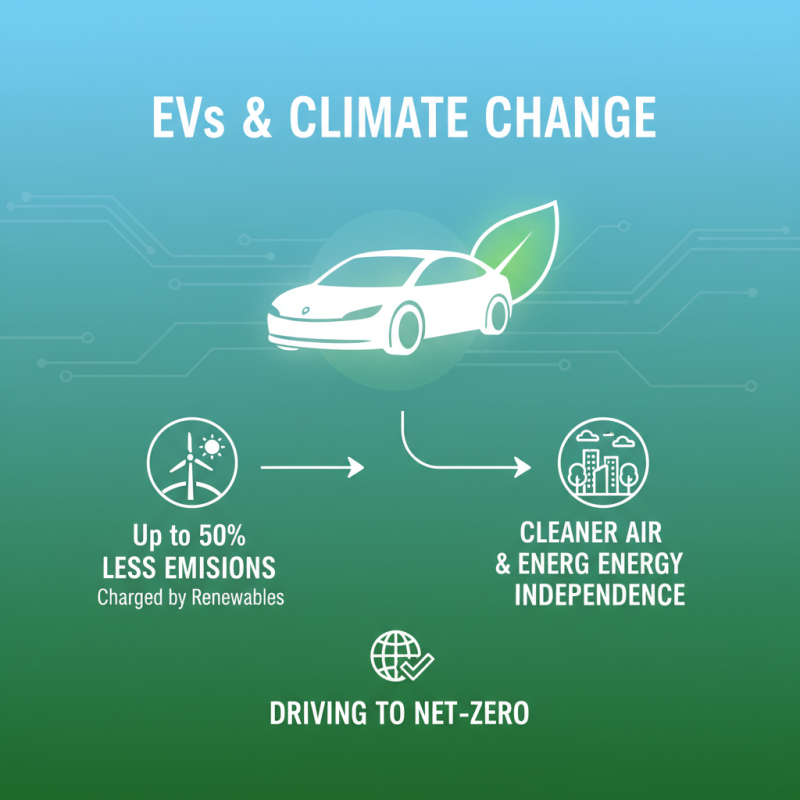
Electric vehicles (EVs) are increasingly recognized for their vital role in mitigating climate change by significantly reducing carbon emissions. According to a report from the International Energy Agency (IEA), EVs can lower greenhouse gas emissions by up to 50% when compared to conventional vehicles, especially when charged from renewable energy sources. As countries around the world strive to reach net-zero emissions, the transition to electric cars has become an essential component of national climate strategies. This shift not only tackles air pollution in urban areas but also curtails reliance on fossil fuels, leading to a healthier planet.
To maximize the environmental benefits of driving electric, consider pairing your EV with green energy solutions. For instance, installing solar panels at home can charge your electric vehicle with renewable energy, ensuring that the electricity fueling your car is as clean as possible. Furthermore, participating in local and national charging infrastructure initiatives can help expand the availability of charging stations, making EV ownership more accessible and convenient for everyone.
Tips: Always check the energy mix of your local grid; if it’s heavily reliant on coal, the emissions benefits of your EV may be diminished. Additionally, engage in eco-driving practices such as smooth acceleration and deceleration, which can improve your vehicle's efficiency and reduce energy consumption, leading to even lower carbon emissions.
Comparing Electric Cars to Traditional Gasoline Vehicles
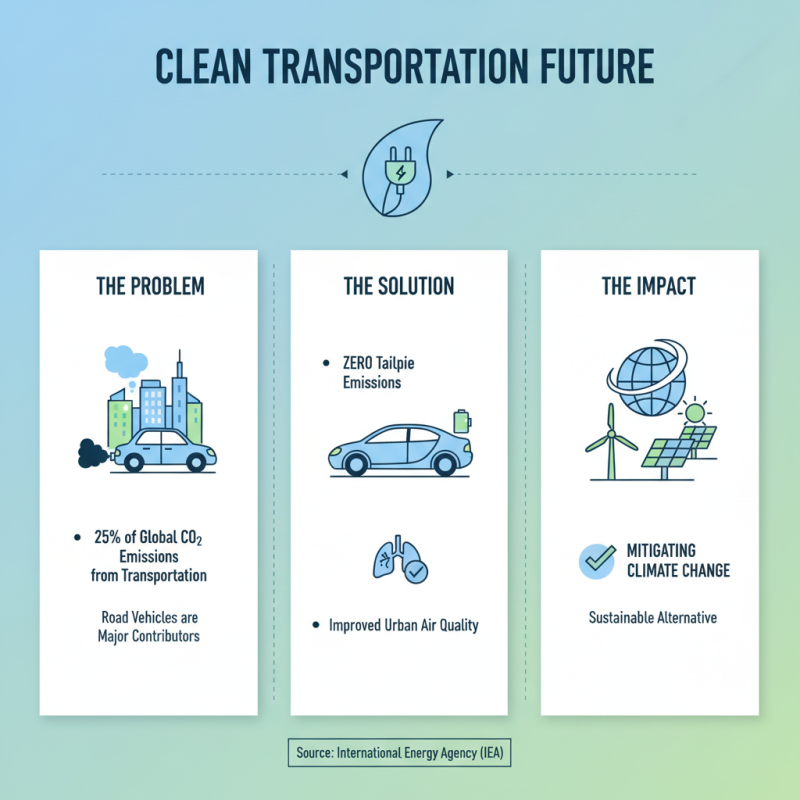
Electric cars are increasingly being recognized as a sustainable alternative to traditional gasoline vehicles. According to the International Energy Agency (IEA), transportation is responsible for nearly a quarter of global CO2 emissions, with road vehicles contributing significantly to this figure. Electric vehicles (EVs), which produce zero tailpipe emissions, present a viable solution to mitigate these harmful impacts, particularly in urban areas where air quality is a significant concern.
In terms of energy efficiency, electric cars outperform gasoline vehicles by a wide margin. Research from the U.S. Department of Energy indicates that electric motors convert over 77% of the electrical energy from the grid to power at the wheels, while conventional gasoline vehicles only convert approximately 12%–30% of the energy stored in gasoline. Moreover, as the grid becomes greener with the integration of renewable energy sources, the overall lifecycle emissions of electric cars continue to decrease, further enhancing their environmental appeal.
When considering the Total Cost of Ownership (TCO), EVs often emerge as a more economical choice. According to a report by Bloomberg New Energy Finance, the cost of owning an electric vehicle can be lower than that of traditional cars over their lifetime, even without subsidies. This economic advantage, combined with their environmental benefits, demonstrates that electric cars are not only a step forward for individual consumers but also for achieving a greener future on a global scale.
Government Incentives for Electric Vehicle Adoption
Government incentives play a crucial role in promoting electric vehicle (EV) adoption, making it an attractive option for environmentally conscious consumers. Many governments worldwide are implementing tax credits, rebates, and grants to lower the initial purchase price of electric vehicles. These incentives not only reduce the financial burden on consumers but also encourage them to make the switch to greener transportation options. Programs that waive registration fees or provide access to carpool lanes further sweeten the deal for those investing in EVs.
Tips: When considering the purchase of an electric vehicle, research local government incentives to find out what financial benefits you may qualify for. Additionally, check for any upcoming changes in policies, as these can impact your decision-making process.
Moreover, some regions are offering attractive financing options and lower insurance rates for electric vehicles, making them even more accessible. Furthermore, investing in home charging stations can be eligible for tax rebates, allowing consumers to conveniently charge their EVs while enjoying additional savings. As these incentives evolve, staying informed can help potential buyers make the most sustainable and economical choice for their travel needs.
Tips: Look into community programs that provide support and information on EV ownership, which can offer valuable insights into the benefits and logistics of switching to electric transportation. Engaging with local EV owners' groups can also provide real-world experiences and advice.
Electric Vehicle Adoption: Government Incentives Comparison
The chart above illustrates various government incentives designed to promote electric vehicle adoption. These incentives play a crucial role in making electric vehicles more affordable and appealing to consumers, thereby contributing to a greener future.