Top Tips for Choosing the Best Tricycle for Elderly Use?
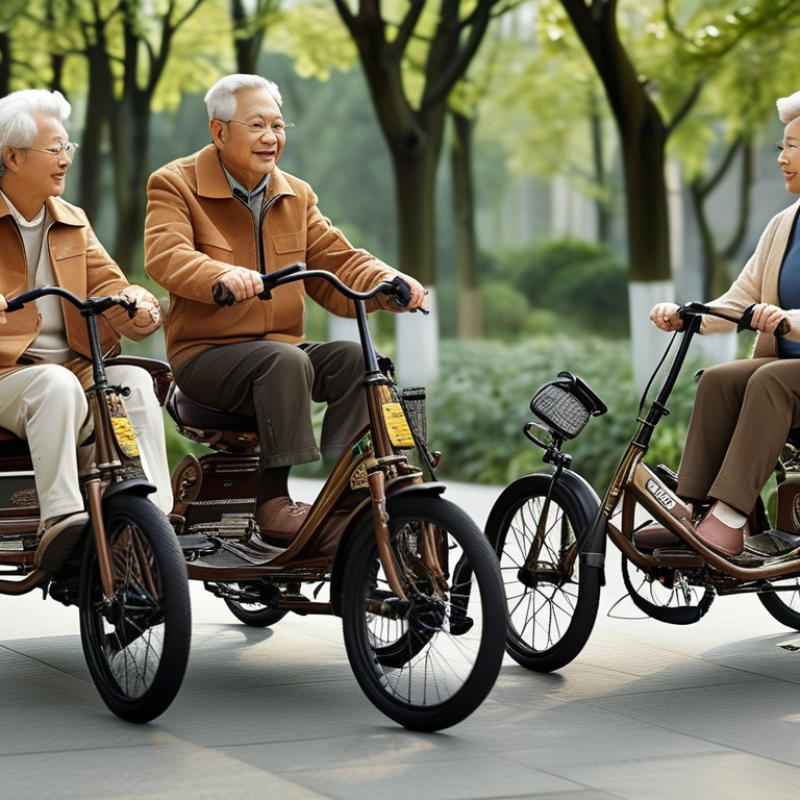
Choosing the right tricycle for elderly use is essential for safety and comfort. A well-designed tricycle can significantly enhance mobility for seniors. It allows them to enjoy outdoor activities while maintaining their independence.
When selecting a tricycle for the elderly, consider factors like stability, ease of use, and comfort. Features such as a low step-through frame and adjustable seats are crucial. These attributes can make riding easier for seniors with limited mobility.
However, not every tricycle may be suitable for every individual. Personal preferences and specific needs must be taken into account. Some might prioritize speed, while others focus on safety. Balancing these elements is necessary for making an informed choice.
Understanding the Unique Needs of Elderly Riders
Choosing a tricycle for elderly riders requires understanding their unique needs. Comfort plays a crucial role. A well-padded seat and ergonomic handlebars make long rides enjoyable. Older adults may have conditions like arthritis, so adjustable components are beneficial. Look for tricycles with a low step-through frame. This design helps prevent falls when getting on and off.
Safety features are also paramount. A reliable braking system is essential to ensure quick stops. Reflective materials and lights can enhance visibility during dusk rides. Wider tires provide stability. Many older adults might find themselves uneasy on narrow tires. It’s important to test the tricycle in real conditions. A short ride can reveal potential discomforts or handling issues.
Lastly, consider storage options. Many elderly riders appreciate baskets for carrying personal items. A simple and easy-to-use design is more inviting. If a rider is anxious or uneasy, the tricycle will rarely be used. The goal is to promote independence and joy in riding. Finding the right mix of comfort, safety, and usability will lead to happier experiences.
Key Features to Look for in a Senior-Friendly Tricycle
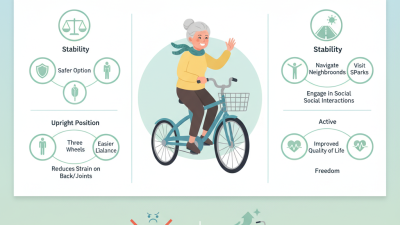
Choosing a tricycle for elderly individuals requires careful consideration of essential features. Safety is paramount. Look for wider wheelbases for stability. This reduces the risk of tipping over, which is crucial for older riders. A low step-over height is another vital aspect, as it aids in easy mounting and dismounting.
Comfort also plays a significant role in selecting a senior-friendly tricycle. Ergonomic seats with back support can enhance the riding experience. According to the National Institute of Health, comfortable seating can reduce strain and improve overall mobility. Additionally, adjustable handlebars are essential for accommodating different body types.
Don’t forget about storage features. Many models come with baskets or compartments. This can help elders carry personal items without overexertion. Opt for tricycles with easy-to-use brakes. This ensures that riders can stop smoothly, providing more confidence.
When researching, note that 35% of seniors experience mobility issues. Therefore, a thoughtful choice can significantly enhance their independence. Carefully assessing these features can lead to better choices for elderly mobility.
Safety Considerations for Tricycles Designed for Seniors
When selecting a tricycle for elderly use, safety should be the top priority. Statistics suggest that approximately 25% of seniors experience a fall each year, with many of these incidents linked to mobility issues. A well-designed tricycle can help mitigate these risks. Look for models that have a low step-through frame, making it easy for seniors to mount and dismount without straining themselves. Additionally, choose tricycles equipped with wider wheels for improved stability and balance.
Consider the braking system as well. A reliable braking mechanism is essential. Research shows that seniors benefit from tricycles with handbrakes and disc brakes, as they provide more control. Ensure the tricycle includes reflectors and lights for enhanced visibility during low-light conditions. Regularly check the braking system for wear and tear, promoting safety.
When exploring features, comfort is crucial. A well-cushioned seat with good back support can significantly enhance the rider's experience. Some studies indicate that seniors enjoy longer rides when the seat is designed for comfort. Try to find tricycles with adjustable seats and handlebars for a personalized fit. Always remember to assess the size and weight of the tricycle as it impacts maneuverability. It's a delicate balance between safety, comfort, and practicality.
Assessing Comfort and Ergonomics in Tricycle Design
When selecting a tricycle for elderly users, comfort and ergonomics are crucial. A study by the National Institute on Aging indicates that 70% of older adults experience discomfort during physical activities. Tricycles designed with adjustable seats can significantly enhance comfort levels. Proper seat height and back support can help reduce strain on joints and muscles.
Moreover, optimal handlebar height is essential for an ergonomic ride. Research shows that handlebars should be adjustable to accommodate varying user heights. This feature not only promotes proper posture but also minimizes the risk of wrist and back pain. Wider tires can also enhance stability, offering a smoother ride. This is especially important as stability issues can lead to accidents.
Comfort shouldn’t just be about convenience. It's also linked to motivation. A study from the Journal of Aging and Physical Activity states that users are 50% more likely to ride regularly when their tricycle is comfortable. This highlights the need for thoughtful design in tricycles for seniors. It's crucial to invest in a model that prioritizes these ergonomic features for a safe and enjoyable riding experience.
Comparing Different Types of Tricycles for Elderly Use
When selecting a tricycle for elderly use, it’s essential to explore various types to find the best fit. Standard tricycles typically offer stability and ease of use. They feature three wheels and a lower center of gravity, which can be advantageous for those with balance issues. The spacious rear storage basket is ideal for carrying essentials, providing convenience for everyday errands.
Foldable tricycles present a different appeal. These models emphasize portability. Elderly users can easily dismantle them for transport. However, one must consider their weight and ease of setup. Some users find these models challenging after prolonged use. Electric tricycles also cater to elderly riders by offering motor assistance. This feature can reduce fatigue on longer rides. Still, there may be concerns regarding battery life and maintenance.
Comparing these types uncovers unique advantages and potential drawbacks. The right choice hinges on personal needs and lifestyle. Users should reflect on their preferences, usage frequency, and comfort level. Trying out different styles before committing is prudent. These factors are crucial for ensuring a positive experience in the long run.