

Top 10 Benefits of Riding in an Electric Car Today?
In today's fast-paced world, many people are exploring sustainable alternatives to traditional vehicles. One such option is the electric car. A ride in an electric car presents numerous benefits for both the driver and the environment. These vehicles have gained popularity due to their efficiency and innovative technology.
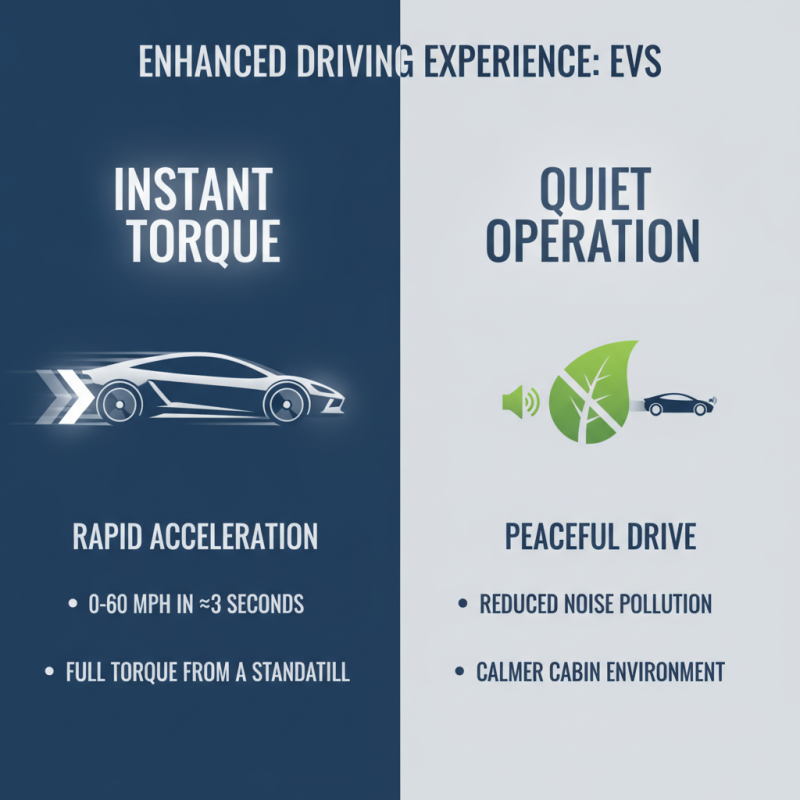
When you choose to ride in an electric car, you typically enjoy quieter and smoother rides. The instant torque offers a thrilling driving experience, often overlooked in gasoline-powered cars. Additionally, many electric cars boast cutting-edge features like regenerative braking and advanced infotainment systems. These enhancements not only improve comfort but also create a connected experience.
While electric cars are not without their challenges, such as charging infrastructure and initial costs, their advantages can outweigh these concerns. Embracing electric vehicles can reflect a commitment to reducing carbon footprints. As you consider your next vehicle choice, think about the overall impact of your ride in an electric car and its potential to shape a sustainable future.
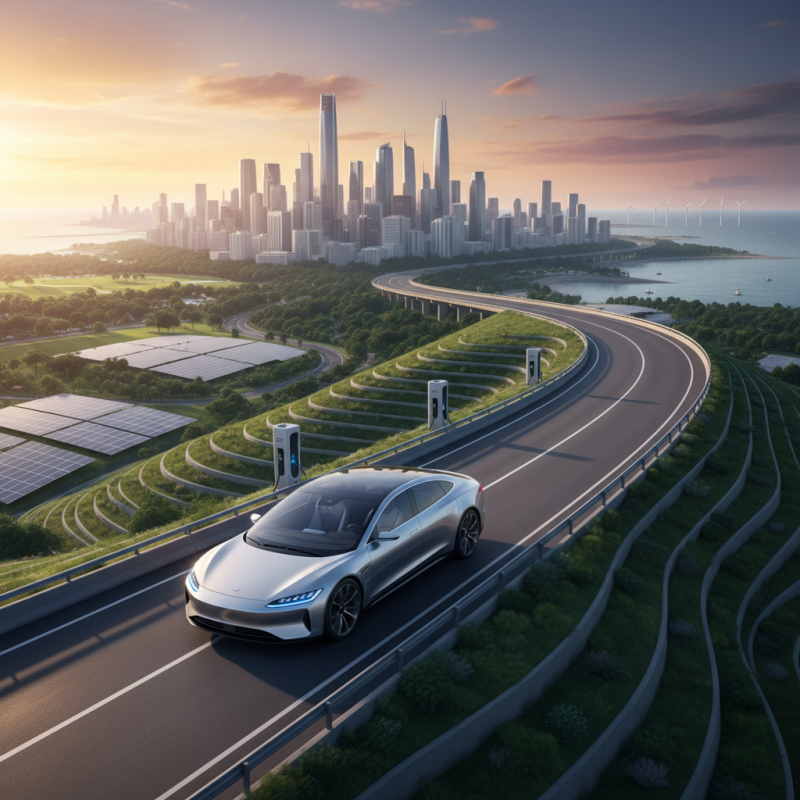
Benefits of Electric Cars: Environmental Impact and Carbon Footprint Reduction
Electric cars are revolutionizing the way we think about transportation and its impact on the environment. A report by the International Energy Agency (IEA) indicates that switching to electric vehicles (EVs) could cut greenhouse gas emissions by up to 70% by 2050. This reduction plays a crucial role in mitigating climate change, making our air cleaner and our cities more livable. The average gasoline car emits about 4.6 tons of carbon dioxide per year. In contrast, EVs produce zero emissions during operation, significantly lowering the carbon footprint.
Tips: Consider using renewable energy sources to charge your electric car. Solar panels can make your vehicle even greener.
However, transitioning to electric cars is not without challenges. The production of batteries has environmental consequences. Mining materials like lithium and cobalt can lead to habitat destruction. Yet, advancements in recycling technologies are helping reduce these impacts. Reports suggest that 95% of lithium-ion battery materials can be recycled, which bodes well for sustainable practices in the industry.
Tips: Research local recycling programs for EV batteries. Engage in community initiatives to support sustainable transport options, fostering a greener future.
Top 10 Benefits of Riding in an Electric Car Today
| Benefit | Description | Environmental Impact | Carbon Footprint Reduction |
|---|---|---|---|
| Lower Emissions | Electric cars produce zero tailpipe emissions. | Significantly reduces urban air pollution. | Averages 40% lower than gasoline cars. |
| Reduced Fuel Costs | Cheaper to charge than refueling with gasoline. | Lower overall carbon footprint related to energy sources. | Reduces reliance on fossil fuels. |
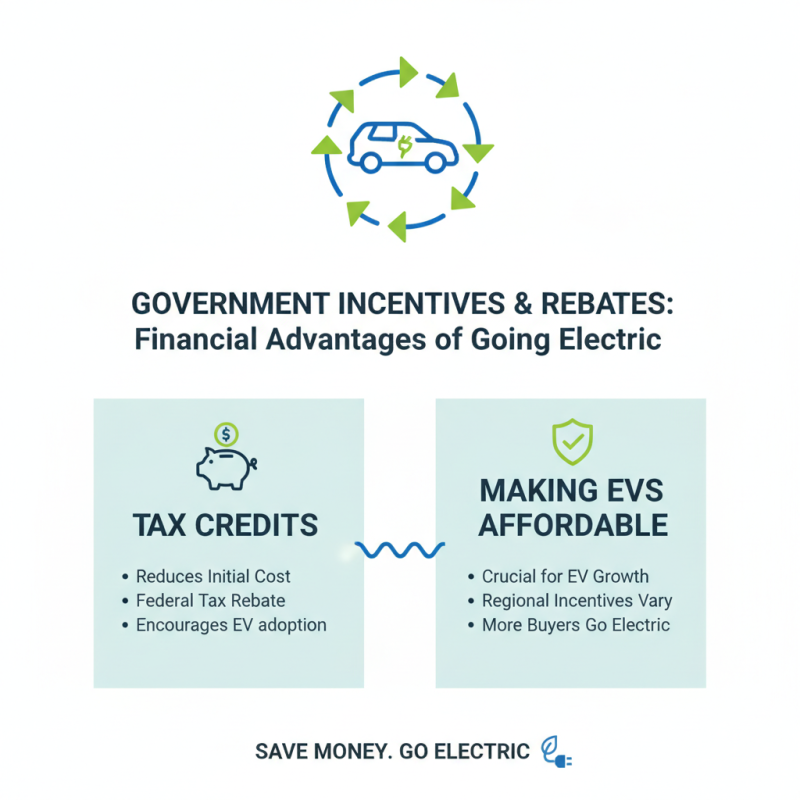
| Government Incentives | Tax credits and rebates for electric vehicle buyers. | Encourages adoption of cleaner vehicles. | Promotes lower emissions through financial benefits. |
| Less Maintenance | Fewer moving parts than combustion engines. | Reduced waste from fewer repairs. | Minimized environmental impact through less production. |
| Quiet Operation | Operates with less noise pollution. | Contributes to quieter urban areas. | Lower stress effects related to noise pollution. |
| Energy Independence | Utilizes renewable energy sources more effectively. | Supports sustainable energy initiatives. | Decreases foreign oil dependency. |
| Home Charging Convenience | Easily charge at home overnight. | Lowers daily commute carbon footprint. | Increases efficiency in energy use. |
| Increased Range | Improvements in battery technology have increased range. | Allows longer trips without emissions. | Facilitates reduced footprints on longer journeys. |
| Innovative Technology | Integrated tech features enhance driving experience. | Encourages cleaner tech advancements. | Supports energy-efficient technologies. |
| Resale Value | Electric vehicles typically retain their value well. | Reflects ongoing demand for sustainable vehicles. | Resale promotes a circular economy. |
Related Posts
-

2026 How to Choose the Best Electric Ride In Car for Your Child?
-
10 Best Electric Ride In Cars for Kids in 2026
-

Why Choose an Electric Ride In Car for Your Children?
-
What is the Best Tiny Cars For Adults to Buy in 2023
-
How to Choose Tiny Cars for Adults That Fit Your Lifestyle?
-
How to Charge Your Electric Car at the 139th Canton Fair?


