

Why Choose a Tricycle for Elderly Mobility and Independence?
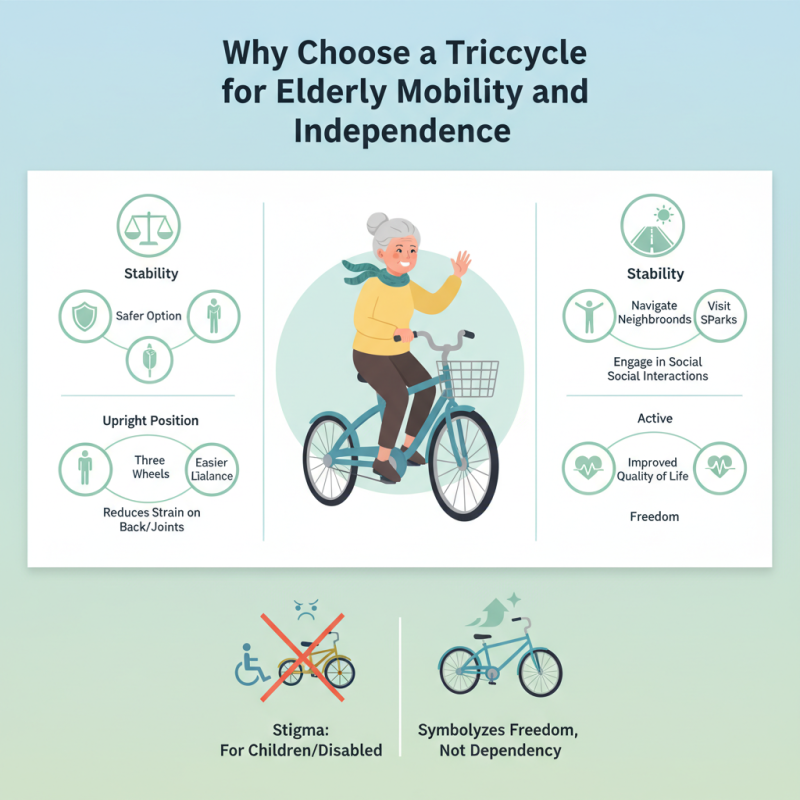
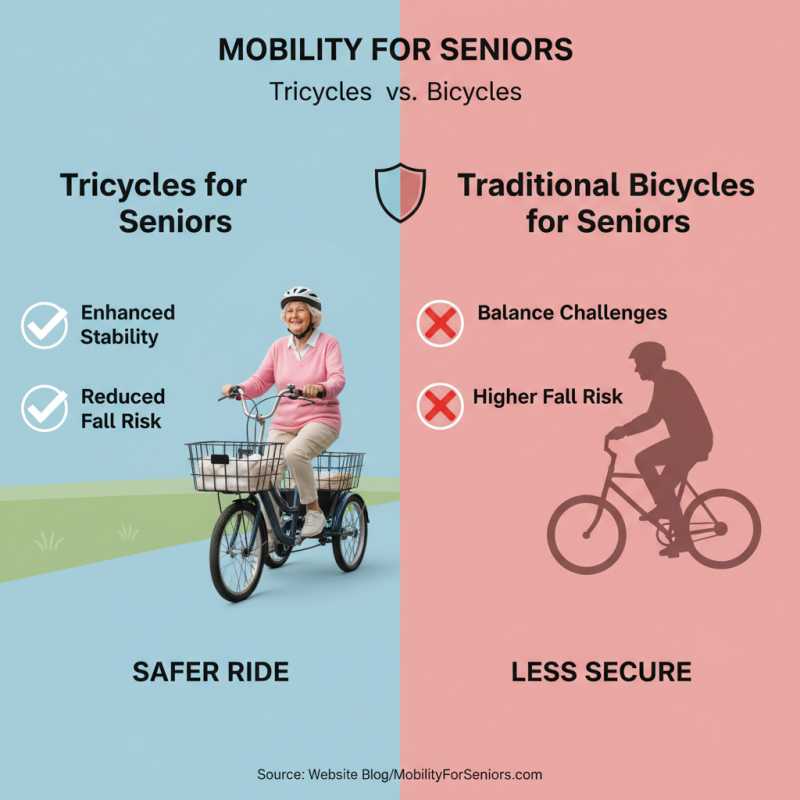
Choosing a tricycle for elderly mobility offers many advantages. Tricycles provide stability, making them a safer option for seniors. Unlike traditional bicycles, tricycles have three wheels. This design can support a more upright position, reducing strain on the back and joints.
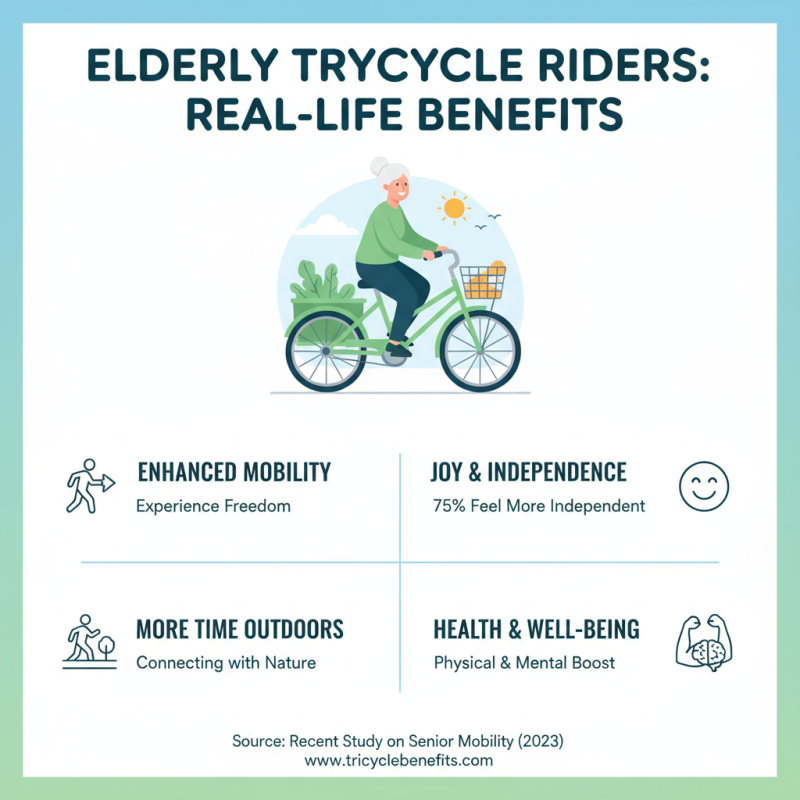
The independence granted by a tricycle is crucial for the elderly. Seniors can navigate their neighborhoods, visit local shops, or enjoy parks. Having their own transportation can improve their quality of life. They can engage in social interactions and maintain an active lifestyle.
However, some may resist using a tricycle due to stigma. They might feel it is for children or the disabled. Overcoming these perceptions is vital. A tricycle for elderly can symbolize freedom, not dependency. It's time to rethink mobility for seniors, making it both practical and enjoyable.
Benefits of Tricycles for Elderly Independence and Mobility Enhancement
Tricycles offer significant benefits for elderly independence and mobility. They provide stability and ease of use. Seniors often struggle with balancing on traditional bicycles. A tricycle, with its three wheels, alleviates this concern. This allows for a more comfortable ride, whether in the park or around town. Many tricycles also feature reclining seats. This provides additional comfort and support for those with back issues.
Tips for choosing the right tricycle include considering the seat height and back support. A lower seat can make getting on and off easier. Look for models with adjustable handlebars. This ensures a proper fit and promotes an ergonomic posture. Think about storage options too. A basket or rear storage can help carry groceries or personal items. This adds to the convenience of everyday tasks.
Some challenges come with using a tricycle. They often occupy more space than bikes. Navigating tight areas can be tricky. Adaptability is key. Reflect on local paths and parking spaces before deciding. Remember, practicing maneuvering in open areas can help build confidence. Embracing these small changes can lead to greater independence for seniors.
Related Posts
-
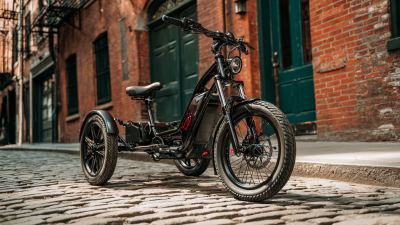
Discover the Freedom of Riding Electric Trikes for Adults in 2023
-
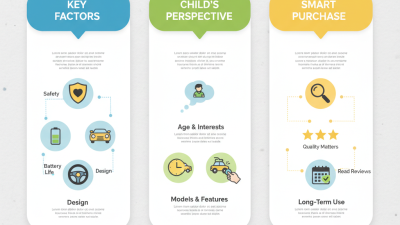
How to Choose the Best Electric Ride In Car for Kids?
-
Why Choose a Tiny Two Seater Car for Urban Living?
-
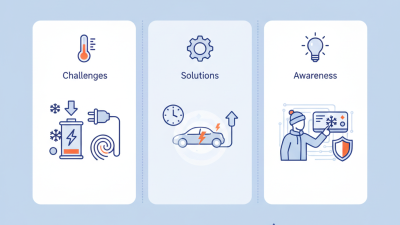
2026 Best Frozen Car Electric Solutions for Winter Weather?
-

Exploring the Rise of Tricycle For Women at 2025 China's 138th Canton Fair
-
Ultimate Guide to Choosing the Perfect Electric Ride In Car for Your Child's Adventures


