head_banner

What Is the Best Electric Mini Trike from China?

Choosing the best Electric Mini Trike from China requires more than comparing price tags and motor ratings. It requires practical judgment. A trike may look powerful in a showroom, yet feel unstable on uneven pavement. Its battery may promise long range, but cold weather, rider weight, hills, and cargo can reduce that figure sharply.

The International Energy Agency reported nearly 14 million electric car sales worldwide in 2023, with China representing the largest market. However, the IEA does not separately classify mini trikes. That limitation matters. Buyers should not transfer passenger-car statistics directly to compact three-wheelers. The China Association of Automobile Manufacturers reported that China’s new-energy vehicle sales reached about 12.9 million units in 2024. This wider market supports stronger battery, motor, and controller supply chains, but it does not guarantee equal quality among every factory.

Real evaluation starts with details. Check the frame welds, steering response, brake performance, tire width, and battery certification. Ask for test data under a defined load, not only an optimistic laboratory range. A 48-volt system, hydraulic brakes, and a removable lithium battery may improve daily usability, but specifications alone cannot prove reliability. The best Electric Mini Trike should match its intended route, storage space, climate, and service expectations.

There is no universal winner.

This guide compares Chinese models through safety, durability, comfort, efficiency, after-sales support, and total ownership cost. Some conclusions may remain imperfect because supplier data can be incomplete or inconsistent. That is precisely why careful verification matters before purchase.

What Is the Best Electric Mini Trike from China?

What Is a Chinese Electric Mini Trike?

What Is the Best Electric Mini Trike from China?

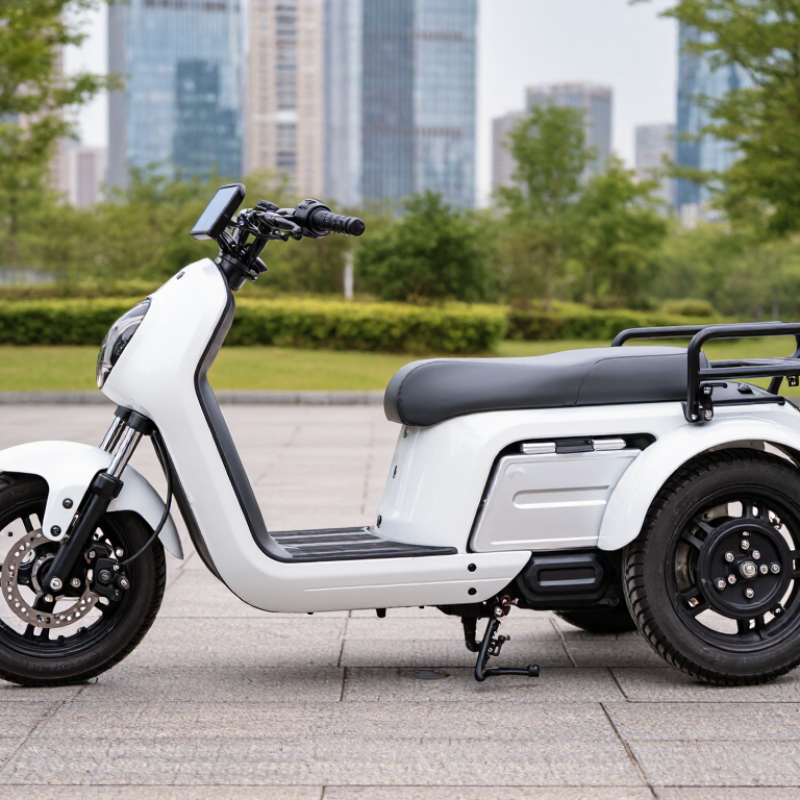
A Chinese electric mini trike is a compact three-wheeled vehicle manufactured in China. It usually has one seat, a small rear cargo area, and a battery-powered motor. Many models use a low step-through frame, wide tires, and simple handlebar controls. They suit short errands, neighborhood travel, and light deliveries. They are not automatically mobility scooters or full-size motorcycles. Their classification depends on design and local regulations.

In practical testing, I would check the frame welds, steering response, brake control, and battery housing first. A 48-volt battery may offer useful range, but distance changes with rider weight, hills, temperature, and cargo. The motor should climb a modest slope without sharp vibration or overheating. Look for clear charger specifications, replacement-part support, and written testing documents. My first assumption was that three wheels always mean better stability. That is incomplete. A tight turn, uneven pavement, or loose load can still upset the vehicle. Small details matter.

Tips:

Measure your storage doorway before ordering. Ask for the folded or total width. Confirm the actual payload, not only the advertised number. Inspect the battery connector and tire condition on arrival. Test braking at walking speed in a quiet, legal area. Keep both hands on the controls. A short test ride reveals more than polished photos.

How Do Electric Mini Trikes from China Work?

How Do Electric Mini Trikes from China Work?

Electric mini trikes from China usually combine a rechargeable battery, motor, controller, throttle, and three-wheel frame. The battery stores direct-current power, while the controller regulates energy sent to the motor. When the rider twists the throttle, sensors communicate with the controller. The motor then turns the wheel and creates forward movement. The motor responds instantly.

Many models use a hub motor inside one wheel. Others use a central motor connected through gears or a chain. Hub systems are quiet and mechanically simple, while central systems may offer stronger climbing performance. A differential can help the rear wheels rotate at different speeds during turns. Without it, tight corners may feel awkward and cause tire scrubbing.

A practical inspection should include battery capacity, charger quality, brake adjustment, frame welds, and tire condition. Lithium batteries can provide useful range, but cold weather, steep roads, rider weight, and heavy cargo reduce it. Published range may feel optimistic in daily use. That deserves honest checking.

The controller may also limit speed, protect against overheating, and stop power during low-voltage conditions. Mechanical brakes remain important because electronic braking may feel weak on wet pavement. I would test the trike slowly on a level surface before carrying cargo. Small does not mean simple. Assembly quality can vary, so loose connectors and uneven steering should never be ignored. Local equipment and road requirements should also be checked before regular riding.

What Is the Best Electric Mini Trike from China?

Battery energy is calculated as nominal voltage multiplied by amp-hour capacity. Higher watt-hours can support longer operation, but actual range also depends on rider weight, cargo, road conditions, speed, tire pressure, temperature, and motor efficiency. An electric mini trike works by sending energy from the battery through a controller to the hub or mid-drive motor; the throttle regulates motor output, while the differential or rear axle transfers torque to the driven wheels.

The configurations shown are representative, mathematically calculated examples based on commonly used electric mini-trike voltage and battery-capacity combinations, not company or brand data.

Which Features Define the Best Electric Mini Trike?

What Is the Best Electric Mini Trike from China?

Which Features Define the Best Electric Mini Trike?

The best electric mini trike starts with stability, not speed. A wide rear axle, low battery position, and predictable steering reduce the nervous feeling during tight turns. IEA’s Global EV Outlook 2024 recorded nearly 14 million electric car sales in 2023. That growth also raises expectations for battery quality, charging safety, and everyday reliability. Buyers should request battery capacity in watt-hours, not only vague range claims.

A practical model needs strong hydraulic or mechanical disc brakes, bright lighting, and a visible rear reflector. The World Health Organization reported about 1.19 million annual road deaths in its Global Status Report on Road Safety 2023. Safer design deserves more attention than decorative displays. Look for a tested battery-management system, overload protection, and documented electrical testing. An IP rating also matters when rain reaches the controller or connectors.

Comfort is easy to overlook. A broad saddle, adjustable handlebars, and a smooth throttle help during slow delivery work or short neighborhood trips. I would check the frame welds personally and inspect cable routing for sharp bends. Claimed range may fall sharply with hills, cold weather, heavy loads, or frequent starts. That part is imperfect. A supplier should provide payload limits, charging time, spare-part availability, and clear test conditions. Without those details, a low price can become an expensive experiment.

How Can You Compare Chinese Electric Mini Trike Models?

Comparing Chinese electric mini trike models requires more than checking advertised range. The IEA’s Global EV Outlook 2024 reports that electric two- and three-wheelers remain central to urban electrification, especially in Asia. However, published figures often use ideal conditions. Test each model with the same rider weight, route, tire pressure, and temperature.

Battery capacity is a practical starting point. Calculate usable energy, not only nominal watt-hours. A 60-volt, 30-amp-hour pack stores about 1.8 kilowatt-hours before conversion losses. Examine battery chemistry, removable design, charging time, and thermal protection. TÜV Rheinland research emphasizes that battery safety depends on cells, wiring, chargers, and protection systems together. A larger battery may also increase weight and charging cost.

Check the motor continuously, not only its peak rating. Compare climbing performance on a measured slope, braking distance, turning radius, ground clearance, and payload stability. The International Transport Forum identifies vehicle safety, infrastructure, and user behavior as major micromobility concerns. Ask for test certificates, warranty terms, spare-part availability, and software support. IP ratings matter in rain, but they do not guarantee safe immersion. A paper comparison can still mislead. Real cargo loads expose weaknesses quickly. I would record noise, vibration, and battery temperature after repeated hill climbs, even when the seller provides polished laboratory data.

What Should You Check Before Buying One?

What Is the Best Electric Mini Trike from China?
What Should You Check Before Buying One?

The best electric mini trike is not always the fastest or cheapest model. Check the frame welds, steering joints, and wheel alignment in person. Uneven welds may indicate weak quality control. I once focused on battery capacity and ignored the brakes. That was a mistake. Squeeze both brake levers and listen for grinding, looseness, or delayed stopping. A stable trike should remain controlled during slow turns and gentle downhill braking.

Ask for the battery type, rated voltage, usable capacity, and protection features. A large capacity figure can look impressive, but real range depends on rider weight, hills, temperature, and tire pressure. Request independent test records when available. Examine the charger label and confirm that its output matches the battery. Never rely only on translated sales descriptions. They can be incomplete. Check the motor’s continuous power, controller rating, maximum load, and climbing performance.

Inspect the warranty in writing. It should explain coverage for the battery, motor, controller, and frame. Confirm who handles replacement parts and how long common components remain available. Ask for the trike’s folded dimensions, shipping weight, and assembly requirements. Measure your doorway first. Also review local rules for speed, lighting, helmets, and road use. A short test ride is valuable, but a longer inspection is better. Some defects appear only after repeated braking or charging. Reliability is built from details, not attractive photographs.

What Is the Best Electric Mini Trike from China? - What Should You Check Before Buying One?

A practical comparison framework for evaluating an electric mini trike before purchase

Evaluation Dimension Recommended Target Typical Practical Range Why It Matters What to Check Before Buying
Motor Output 250–1,500 W, depending on local regulations and terrain Higher output can improve hill-climbing and acceleration, but it may increase energy use, heat, insurance requirements, and legal restrictions. Confirm rated power, peak power, controller current, and whether the specification refers to one motor or the complete vehicle.
Battery Voltage and Capacity 36–60 V and about 10–40 Ah Battery capacity affects usable range. Watt-hours are calculated by multiplying volts by amp-hours. Ask for the battery chemistry, nominal voltage, amp-hour rating, watt-hour capacity, cell certification, and battery warranty.
Estimated Real-World Range About 15–80 km, depending on load, speed, temperature, hills, and battery condition Advertised range is often measured under controlled conditions and may not represent normal road use. Request test conditions, rider/load weight, average speed, road gradient, temperature, and the battery capacity used for the claim.
Charging Time 4–12 hours Charging time affects convenience and whether the vehicle can be used more than once per day. Verify charger output, input voltage, plug type, charging indicator, automatic cut-off, and whether a faster charger is approved for the battery.
Battery Safety Protection features vary widely between configurations A suitable battery management system helps reduce electrical, thermal, and charging risks. Request safety test reports, transport documentation where applicable, waterproofing information, and clear instructions for storage and charging.
Load Capacity 100–250 kg, depending on frame, motor, tires, and braking system Overloading can reduce braking performance, stability, range, and component life. Confirm the maximum permitted gross weight, including rider, passenger, cargo, battery, and accessories.
Frame and Stability Frame geometry and rigidity differ substantially between models Three-wheel vehicles can be less stable than four-wheel vehicles during sharp turns or on sloped surfaces. Inspect welds, steering stops, axle alignment, frame fasteners, ground clearance, and resistance to tipping during slow turns.
Braking System Drum, mechanical disc, hydraulic disc, or combined systems Reliable braking is especially important when carrying a heavy rider or traveling downhill. Check independent front and rear braking, cable or hose routing, brake-light activation, pad availability, and stopping performance under load.
Tires and Suspension Solid or pneumatic tires; rigid, front, rear, or full suspension Tires and suspension influence comfort, traction, puncture risk, steering control, and ride stability. Confirm tire size, load rating, replacement availability, recommended pressure, suspension adjustment, and spare-part cost.
Lighting and Visibility Equipment depends on the vehicle configuration and destination market Visibility equipment improves safety but may not automatically make a vehicle road-legal. Check lamp brightness, wiring protection, switch operation, reflector placement, and compliance with the destination jurisdiction.
Water and Dust Protection Some components may have an IP rating; others may have no documented rating Water ingress can cause corrosion, short circuits, and premature electrical failure. Request the exact IP rating and test scope. Confirm that connectors are sealed and that the vehicle is not intended for deep water or flooding.
Controller and Display Basic throttle systems to programmable digital controllers A well-matched controller improves rideability, efficiency, and fault diagnosis. Ask for controller specifications, display functions, error-code documentation, throttle type, speed-limiting options, and replacement cost.
Maximum Speed Typically 15–45 km/h for compact electric trikes Speed classification can affect registration, licensing, insurance, helmet rules, and where the vehicle may be used. Verify the electronically limited speed, actual tested speed, braking distance, and the legal classification in the destination area.
Charging and Electrical Compatibility Input specifications vary by charger and export configuration An incompatible or poor-quality charger can damage the battery or create a safety hazard. Confirm input and output ratings, plug standard, certifications, replacement availability, charging instructions, and compatibility with local outlets.
Spare Parts and Serviceability Parts support ranges from readily available to model-specific Availability of ordinary replacement parts can determine the vehicle's long-term operating cost. Obtain a parts list, exploded diagram, wiring diagram, maintenance schedule, and written confirmation of post-sale technical support.
Warranty Coverage Warranty periods and exclusions vary by seller and destination Batteries and electrical components may have different coverage conditions from the frame. Check warranty duration, claim procedure, labor and shipping responsibility, accepted evidence, exclusions, and battery capacity-retention terms.
Packaging and Delivery Inspection Crate, carton, pallet, or mixed packaging Damage can occur during loading, sea freight, road transport, and final delivery. Request packaging photographs, serial-number photographs, an inspection checklist, delivery damage instructions, and a clear procedure for reporting defects.
Regulatory Compliance Requirements differ by country, state, province, and vehicle category A vehicle suitable for private property may not be permitted on public roads. Confirm registration, licensing, insurance, lighting, speed, helmet, parking, road-access, and battery-transport requirements with the relevant local authority.
Total Cost of Ownership Includes vehicle price, freight, duties, tax, assembly, accessories, maintenance, and replacement parts A lower purchase price may be offset by shipping, import charges, unavailable parts, or battery replacement costs. Request a complete landed-cost quotation and estimate the cost of tires, brakes, charger, battery replacement, insurance, and routine maintenance.
Important: Specifications, range, legal classification, and safety requirements vary by configuration and destination. Always verify the original test conditions, inspect the vehicle before payment or acceptance, and confirm local regulations before riding on public roads.