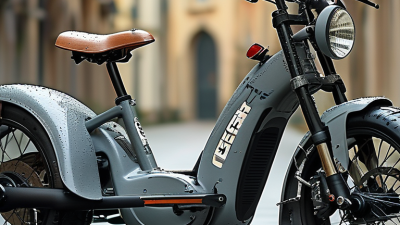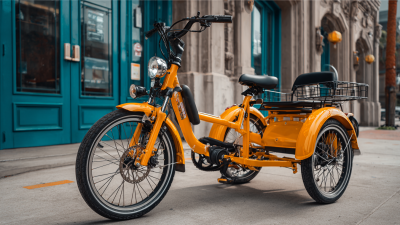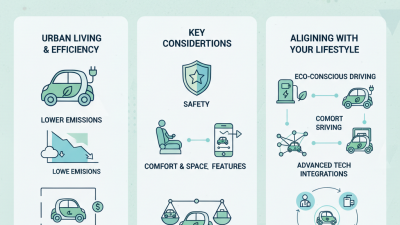

Choosing among the Top 10 Best Electric Trikes for Adults to Buy is not just about comparing motors and prices. A trike should fit the rider, the route, and the load it will carry. Electric Trike Adults shoppers may value steady handling, easy mounting, useful range, and controls they can understand at a glance. Those details matter on a sloped driveway or beside a grocery basket full of food. Small things count.
Electric-mobility analyst Ed Benjamin has emphasized matching a vehicle to its real use; paraphrased for this guide: choose for everyday needs, not headline specifications. That is sensible advice, though needs can be hard to judge from a product page. A claimed range may change with hills, rider weight, temperature, and assist settings. So the figures deserve a second look.
This guide compares comfort, braking, battery information, carrying capacity, and practical features across ten adult electric trikes. It also considers who each model may suit, from relaxed neighborhood rides to errands with heavier cargo. A low step-through frame can help with mounting, while a wide seat may feel reassuring on short rides. But neither guarantees comfort for every body. Fit varies.
Before buying, check the manufacturer’s current specifications and warranty, then arrange a test ride if possible. Pay attention to turning space and how the trike feels when loaded. A smooth first ride is useful, not conclusive. The best choice is the one that feels manageable on your actual route, not merely impressive on paper.
Electric trike classes, motor ratings, and battery capacity matter more than a glossy specification sheet.
Check regional regulations before buying.
Motor power needs careful reading. A 500-watt nominal motor may handle flat streets, groceries, and moderate slopes. A 750-watt system offers stronger hill support, especially with a heavy rear basket.
Peak wattage can sound impressive, but it is not continuous performance. The U.S. Department of Energy’s Alternative Fuels Data Center notes that electric bicycle specifications vary widely, so wattage alone cannot predict real-world ability.
I would test a loaded trike on a short incline. Numbers sometimes disappoint.
Battery capacity is measured in watt-hours. Multiply volts by amp-hours:
The International Energy Agency reported average lithium-ion battery prices near 139 dollars per kWh in 2023, showing why larger packs raise purchase costs.
Practical range often falls between 20 and 45 miles, depending on weight, wind, hills, tire pressure, and temperature. That estimate is imperfect.
A useful top-ten electric trike comparison starts with manufacturer data, not showroom promises. Published ranges usually fall between 25 and 60 miles per charge. These figures assume moderate speeds, light cargo, flat roads, and warm weather. Hills, cold temperatures, tire pressure, and rider weight can reduce range sharply. The comparison is imperfect.
Charging time commonly ranges from four to eight hours. A removable battery can make apartment charging easier, while a larger battery may add weight. Look for the battery’s watt-hours, not only its advertised distance. A 720Wh battery can provide more practical reserve than a smaller pack, even when both claim similar range. The U.S. Department of Energy notes that lithium-ion battery performance changes with temperature and charging conditions. That detail is easy to overlook.
Payload is equally important for adult riders. Current manufacturer specifications commonly list total payloads from 300 to 500 pounds, including the rider, passenger, and cargo. A trike rated for 400 pounds may carry less safely on steep roads or uneven surfaces. I would compare the stated payload with the intended weekly load, leaving a sensible margin. CPSC’s 2023 micromobility injury report reinforces the value of conservative operation and proper equipment checks. Check brakes, frame joints, tire ratings, and battery certification before purchase.
Range sells the dream. Payload determines whether the trike works.
Stability and braking deserve more attention than motor size. CPSC’s 2023 micromobility report recorded about 19,000 emergency-department injuries from 2017–2022, including 233 reported deaths. Falls remain a practical concern. A stable adult electric trike should keep its center of gravity low, resist tipping during slow turns, and remain planted on uneven pavement. I look for a wide rear track, predictable steering, and a parking brake that holds on a driveway slope.
Braking performance needs hands-on testing. CPSC guidance emphasizes controlled stopping, secure controls, and protection from foreseeable hazards. UL 2849 addresses the electrical system, battery, charger, and drive-system safety of electric bicycles; it does not certify turning stability or stopping distance. That distinction matters. A trike may use a compliant electrical system yet still feel nervous downhill. On test rides, I check both brake levers, cable response, tire grip, and whether the rear wheels lock suddenly. Smooth braking wins.
Not every result is perfect.
Rider weight, cargo position, tire pressure, and wet roads can change the outcome. My ranking therefore treats published specifications as evidence, not proof. The National Transportation Safety Board has repeatedly highlighted risks linked to battery failures and micromobility design, reinforcing the need for careful charging and inspection. Buyers should verify current safety documentation, test braking with realistic cargo, and leave room for human error.
A useful top-ten ranking should compare more than sticker prices. Electric trikes vary in battery capacity, cargo space, braking, and comfort, so the cheapest model may not offer the best value. Compare the listed price with the equipment included, such as lights, fenders, a rear basket, and a battery charger. Small details matter. A basket that fits a grocery crate can be more practical than an extra display setting.
Warranty terms deserve equal attention. Check how long coverage lasts for the frame, motor, battery, and electrical components; these parts may have different terms. Also look for clear service instructions and reachable support. Feature comparisons should consider step-through height, seat adjustment, tire width, and whether the trike feels stable during slow turns. If possible, test it with a little weight in the basket. A short ride may not reveal how it handles a steep driveway. Rankings still involve judgment: rider height, storage needs, and local terrain can change which option makes sense. A model with a longer warranty is not automatically the right choice if replacement parts are difficult to obtain.
Buying an adult electric trike means buying a service system, not only a motor. PeopleForBikes reported more than one million e-bikes sold in the United States during 2022. That growth increases demand for trained technicians and replacement components. However, service coverage still varies sharply by region.
Check whether ordinary bicycle shops can service the trike’s brakes, chain, tires, and wheel bearings. Proprietary displays, controllers, and battery connectors create greater risk. Ask for a parts diagram and written repair procedure. A useful model should list replacement batteries, chargers, brake pads, tubes, cables, and rear-axle components. The European Bicycle Industry and Confederation’s market reports repeatedly identify repairability and product longevity as important industry priorities.
Small details matter. After a test ride, inspect loose spokes, uneven braking, and axle noise. A heavy rear basket can expose poor frame alignment. I once overlooked battery-removal space; a narrow compartment turned routine charging into an awkward task. That mistake is easy to repeat. Battery safety also deserves scrutiny: the U.S. Consumer Product Safety Commission has linked many micromobility incidents to defective or damaged lithium-ion batteries. Look for clear charging guidance, certified replacement batteries, and accessible diagnostic support. A long warranty sounds reassuring, but unavailable parts can leave the trike parked for weeks. A serviceable design usually uses common tire sizes, visible fasteners, and documented torque settings. Availability matters more than promises.
These intervals are a general maintenance-planning baseline, not a comparison of specific trike models. Riding conditions and manufacturer guidance can change service schedules. Replacement-part availability is model-specific, so check with the seller or service provider before buying.