

10 Best Ride On Electric Cars for Kids in 2026
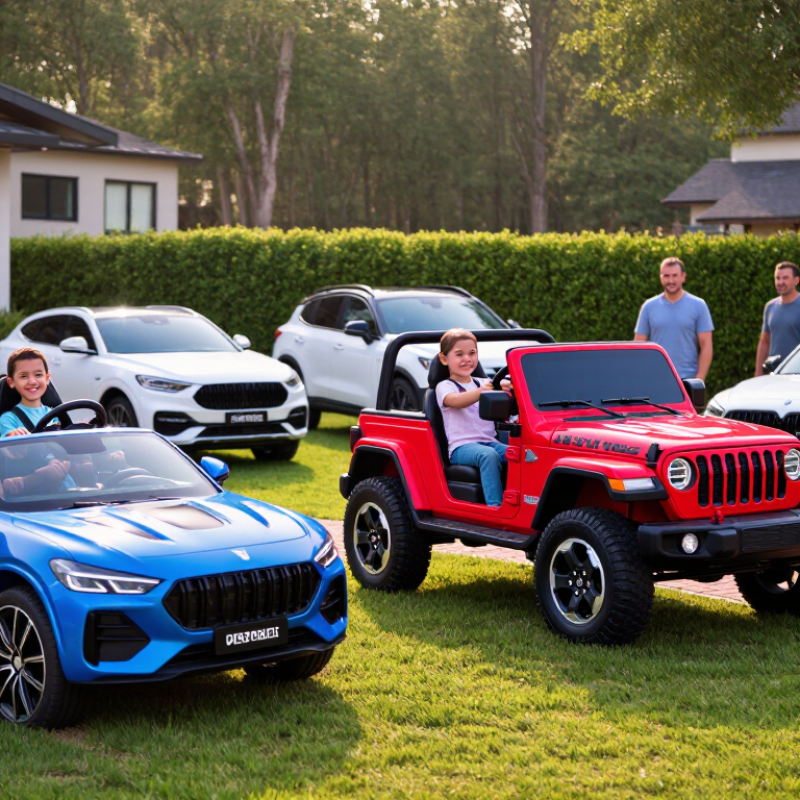
A child’s first electric car is more than a shiny gift. It is a small vehicle with a real battery, moving wheels, and controls that young drivers must learn. In 2026, families can choose from compact backyard cruisers, two-seat jeeps, and licensed designs with working lights. The best option depends on the child’s age, size, confidence, and play space—not just the top speed.
Ride-on vehicle safety specialist Dr. Benjamin Hoffman offers a practical reminder: “A child’s ride-on car should match their abilities, and adult supervision should stay close.” A slow start matters. Look for clear age and weight limits, a stable seat, a secure seat belt, and controls that are easy to reach. Check how the car stops, too. A parent remote can help in shared spaces, while gentle acceleration may prevent startling launches. Small details count.
This guide compares 10 Best Ride On Electric Cars for Kids in 2026, including features, comfort, battery expectations, and everyday usability. We consider how each model handles grass, pavement, and tight turns, while noting where product claims deserve a closer look. No car is perfect. Some offer a longer play session but need more charging time; others feel sturdy yet take up valuable garage space. Use the comparisons to find a Ride In Electric Car that suits your child and your home, then review the manufacturer’s instructions before the first drive.
What to Consider When Choosing a Kids’ Ride-On Electric Car
When comparing the 10 best ride-on electric cars for kids in 2026, match the car to the child, not just the age label. Check the maker’s stated age and weight limits, then consider whether your child can reach the pedals and steering wheel comfortably. A low seat, wide tires, and a slow, predictable start can make early practice less daunting. Check the brakes and parental-control features, too. Small details matter.
Look for clear battery-care instructions and a charger designed for the supplied battery. Inspect wiring, connectors, and the battery compartment before use; stop if anything is cracked, unusually hot, or loose. The U.S. Consumer Product Safety Commission estimated 231,700 toy-related emergency-department injuries in 2023 among children 14 and younger. That figure covers many kinds of toys, not ride-on cars alone, but it is a useful reminder to supervise play and choose a suitable surface. ASTM F963-23 is a widely used toy-safety standard; check whether the product documentation identifies applicable testing. A smooth driveway beats uneven paving. Still, no feature replaces an adult nearby.
| Rank | Ride-On Type | Recommended Age | Battery System | Top Speed | Typical Play Time | Maximum Load | Drive System | Safety Features to Look For | Best Use | Overall Rating |
|---|---|---|---|---|---|---|---|---|---|---|
| 1 | Two-Seat 12V SUV-Style Ride-On | 3–7 years | 12V rechargeable lead-acid battery | 3–5 km/h | 45–90 minutes | 25–30 kg | Dual-motor, two-wheel drive | Low-speed mode, parental remote control, seat belts, soft-start acceleration | Shared outdoor play on flat surfaces | ★★★★★ |
| 2 | Compact 6V First Ride-On Car | 18 months–4 years | 6V rechargeable battery | 2–3 km/h | 40–70 minutes | 20–25 kg | Single-motor, rear-wheel drive | Parental remote, low seat height, wide wheelbase, emergency stop function | First-time riders and indoor use | ★★★★★ |
| 3 | 12V Police- or Service-Style Ride-On | 3–6 years | 12V rechargeable lead-acid battery | 3–5 km/h | 45–75 minutes | 25 kg | Dual-motor, two-wheel drive | Adjustable seat belt, parental override, traction tires, dashboard controls | Imaginative play and paved paths | ★★★★☆ |
| 4 | 12V Four-Wheel-Drive Off-Road Buggy | 4–8 years | 12V or 24V rechargeable battery system | 4–7 km/h | 40–80 minutes | 30–35 kg | Four-wheel drive with geared motors | Parental remote, anti-tip design, treaded tires, gradual acceleration | Grass, compact dirt, and uneven outdoor surfaces | ★★★★☆ |
| 5 | Single-Seat Sports Car Ride-On | 3–6 years | 12V rechargeable battery | 3–5 km/h | 45–75 minutes | 25 kg | Dual-motor, rear-wheel drive | Seat belt, remote override, controlled start, non-slip footrest | Driveways, patios, and smooth paths | ★★★★☆ |
| 6 | 24V Two-Seat Utility Truck | 5–9 years | 24V rechargeable battery | 5–8 km/h | 35–70 minutes | 35–45 kg | Dual-motor or four-wheel drive | Two seat belts, parental remote, speed selector, overload protection | Older children and longer outdoor rides | ★★★★☆ |
| 7 | Licensed-Style Convertible Ride-On | 3–7 years | 12V rechargeable battery | 3–5 km/h | 45–90 minutes | 25–30 kg | Dual-motor, two-wheel drive | Remote control, seat belt, working lights, soft-start function | Feature-rich play on smooth outdoor surfaces | ★★★★☆ |
| 8 | Ride-On Car with Push-Handle Conversion | 12 months–4 years | 6V or 12V rechargeable battery | 2–4 km/h | 40–75 minutes | 20–25 kg | Single- or dual-motor drive | Detachable push handle, parental remote, footrest, high back seat | Supervised walks and gradual transition to independent driving | ★★★★☆ |
| 9 | 12V Farm-Style Tractor Ride-On | 2–6 years | 12V rechargeable battery | 3–5 km/h | 45–80 minutes | 25–30 kg | Dual-motor, rear-wheel drive | Parental remote, stable rear axle, traction tires, guarded controls | Grass and imaginative outdoor play | ★★★☆☆ |
| 10 | Battery-Powered Ride-On Go-Kart | 4–8 years | 12V or 24V rechargeable battery | 4–8 km/h | 35–70 minutes | 30–40 kg | Rear-wheel drive | Low center of gravity, seat belt, speed limiter, enclosed chain or motor guard | Older children using a level, private riding area | ★★★☆☆ |
Related Posts
-

Top 10 Benefits of Riding in an Electric Car Today?
-
2026 Best Electric Ride In Car Options for Kids and What to Look For?
-

Top 10 Best Tricycles for Elderly Seniors to Consider?
-
Top 10 Trikes for Adults What You Need to Know?
-
10 Essential Tips for Choosing the Best Adult Electric Trikes for Every Lifestyle
-

How to Charge Your Electric Car Battery Efficiently and Safely


