What Is an Electric Tricycle and How Does It Work?
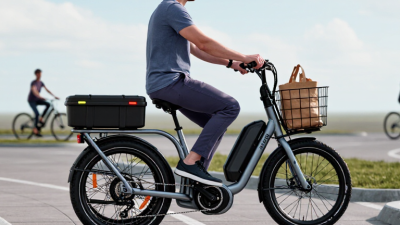
An electric tricycle combines a bicycle frame, three wheels, an electric motor, and a rechargeable battery. Unlike a standard bicycle, it offers a broader base and stronger low-speed balance. That extra stability can help riders carrying groceries, tools, or mobility equipment.
Transport journalist and cycling researcher Carlton Reid describes the wider purpose clearly: “Good transport design should make everyday journeys easier, not merely make machines faster.” This idea fits the Tricycle For Electric category. The best model is not always the fastest one. It should match the rider, route, load, and local conditions.
Most electric tricycles use pedal-assist technology. When the rider pedals, a sensor signals the controller, which regulates power from the battery to the motor. Some versions include a throttle, although its operation and legality vary by location. Motors may drive the front wheel, rear wheel, or a central crank system. Each layout changes handling, climbing ability, and maintenance needs.
A charged battery is not enough. Tire pressure, brake condition, and cargo position affect performance. Heavy bags placed too high can make cornering awkward. Wet roads can also increase stopping distance. Real roads are messy.
Manufacturers often advertise impressive riding ranges. Those figures may change with hills, rider weight, wind, temperature, and assist level. Range claims can disappoint. This guide examines how the system works, what each component does, and where practical compromises appear. It also considers charging habits, safety checks, comfort, and everyday ownership, so readers can judge whether a Tricycle For Electric genuinely suits their routine.
Electric Tricycle Definition: Three-Wheel Layout, Stability, and Typical Uses
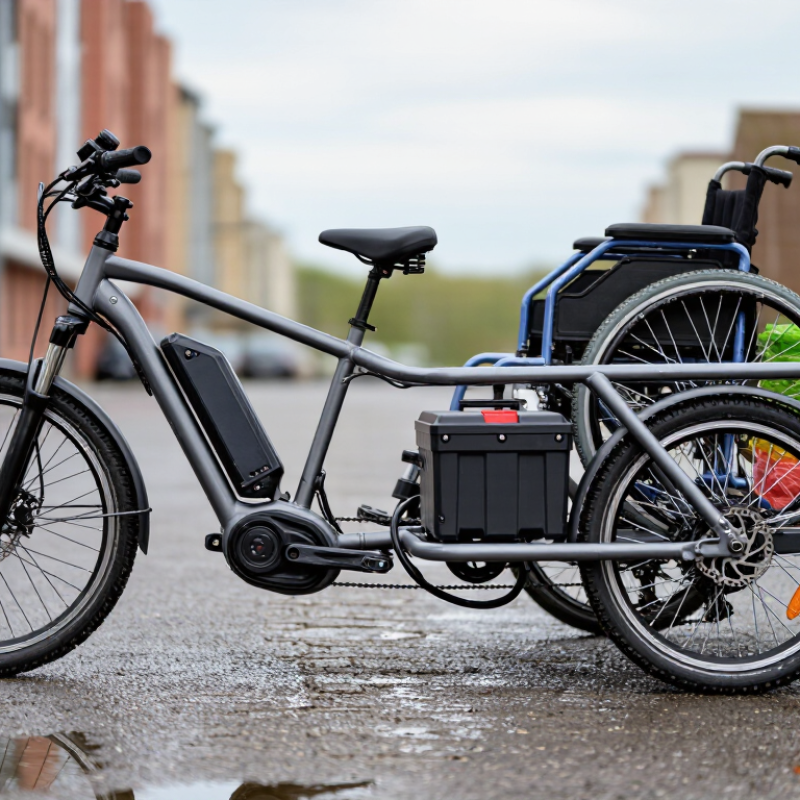
An electric tricycle is a three-wheeled bicycle powered by a rechargeable motor and battery. Its two rear wheels or two front wheels create a wider support base than a standard bicycle. This layout helps riders balance at low speeds, when stopping, or while carrying groceries.
Most models use a frame-mounted battery, an electric motor, and a controller that manages power delivery. A handlebar display often shows speed, battery level, and assist settings. When the rider pedals, a sensor signals the motor to provide assistance. Some designs also include a throttle, but control methods differ.
The three-wheel structure feels steady on smooth pavement. It can also support a larger basket, rear platform, or passenger seat. Typical uses include short commutes, neighborhood errands, campus travel, and light delivery work. Practical testing matters. A loaded tricycle may need more distance to stop, especially on a slope or wet surface. Turning also requires care because the inside wheel can lift during sharp, fast corners. That detail surprises many new riders.
Front-wheel and rear-wheel layouts behave differently. A front pair may offer a broad cargo area, while a rear pair can feel more familiar during steering. Tire pressure, brake adjustment, and battery charging habits affect daily performance. I would not call every electric tricycle effortless. Heavy frames can be difficult to push without motor assistance, and narrow paths may expose their limited turning space. With a slow cornering speed and regular maintenance, the design becomes predictable for many everyday riders.
Core Components: 250–750 W Motors, Lithium-Ion Batteries, and Controllers
What Is an Electric Tricycle and How Does It Work?
An electric tricycle combines pedal power with a battery-driven motor. Most models use 250–750 W motors, mounted near a wheel or within the drivetrain. The motor adds torque when a rider pedals or twists the throttle. A controller acts like the system’s traffic officer. It reads speed, throttle position, brake signals, and battery voltage. Then, it adjusts current flowing to the motor.
Lithium-ion batteries usually store energy between roughly 400 and 1,000 Wh. A 500 Wh battery may support useful daily travel, but range depends heavily on load, hills, tire pressure, temperature, and stopping frequency. Real roads are less cooperative. The International Energy Agency reported that global electric-vehicle battery demand exceeded 750 GWh in 2023, showing the technology’s expanding industrial scale. BloombergNEF reported an average lithium-ion pack price of 115 dollars per kWh in 2024, a 20% annual decrease. These figures do not guarantee better tricycle performance.
Motor wattage can also mislead. A 750 W system may climb more confidently, yet it can drain a battery quickly under heavy cargo. During practical checks, watch how smoothly assistance starts, especially at low speed. Listen for controller hesitation. Inspect cable connections, brake cut-off response, battery mounting, and charger temperature. A smaller motor may suit flat commuting, while a stronger unit may fit hills or delivery loads. The best choice remains imperfect without testing the actual route.
How Pedal Assist and Throttle Systems Convert Battery Power into Motion
What Is an Electric Tricycle and How Does It Work?
An electric tricycle combines human pedaling with battery-powered assistance. Its battery sends direct-current electricity to a controller, which regulates power for the motor. The motor then turns the wheel through a hub or drivetrain system. In practical riding, the difference between pedal assist and throttle control feels immediate. Pedal assist responds when sensors detect crank movement or applied force. The controller measures that input and releases a selected amount of current. A gentle setting may support steady cruising, while a stronger setting helps with hills or heavy loads. It still requires attention.
A throttle system works differently. Pressing a thumb or twist control requests motor power without continuous pedaling. This can help when starting from a stop or balancing cargo. However, rapid acceleration may reduce stability, especially on a turn. A reliable system should include responsive brakes, clear battery indicators, and smooth power delivery. My first assumption was that more motor power always meant better performance. Real use proved less simple. Weight, tire pressure, slope, temperature, and riding habits also affect range and control.
Tips: Start with the lowest assist level in an open area. Test the throttle gently, then practice controlled braking. Keep the battery secured and inspect connectors before riding. Check tire pressure often. Small maintenance habits matter. If the tricycle feels unstable, slow down before changing direction. Sensor response can vary, so allow time to learn the controls rather than relying on specifications alone.
Power Flow Explained: Battery Voltage, Motor Torque, and 25 km/h Class Limits
An electric tricycle combines a rechargeable battery, controller, motor, and mechanical drivetrain. A practical workshop-style check starts with battery voltage. A 36-volt battery can deliver less peak power than a 48-volt system, although capacity and controller current also matter. Voltage alone is not performance.
Motor torque turns electrical energy into wheel force. The controller regulates current, while gearing multiplies torque at the axle. At low speed, this helps a loaded cargo tricycle start smoothly on a slope. As speed rises, torque usually falls. The relationship is simple: power equals torque multiplied by rotational speed. Real systems are less tidy. Tyre pressure, rider weight, gradients, and battery temperature change the result.
The 25 km/h limit describes assistance cutoff in many European pedal-assisted classifications, not every tricycle worldwide. Regulation (EU) 168/2013 and the EN 15194 framework are commonly referenced for this category, but local rules still require checking. Above the cutoff, the motor should stop assisting, while the rider may continue using pedal power. A speed sensor can briefly misread wheel movement. That detail matters.
The IEA Global EV Outlook 2024 reports more than 10 million electric two- and three-wheelers sold globally in 2023. This scale explains why voltage, torque, and safety testing deserve careful attention. Manufacturer claims can omit payload conditions. Independent range tests often reveal the gap. A 25 km/h tricycle may feel powerful uphill, yet its battery can drain quickly under continuous heavy load. That is the part many specifications understate.
What Is an Electric Tricycle and How Does It Work?
Power flow at a representative 36 V system operating near the 25 km/h class limit
Battery voltage
A 36 V nominal battery delivering 20 A provides approximately 720 W of electrical input power.
Motor torque
With a 0.50 m wheel diameter, about 553 W of motor output at 25 km/h corresponds to approximately 20 N·m at the wheel-speed equivalent.
Speed limit
25 km/h is a common pedal-assist class limit in several regulations, although exact definitions and legal requirements vary by jurisdiction.
Representative engineering calculation, not a brand or company specification. Assumptions: 36 V × 20 A battery input, 96% controller efficiency, 80% motor efficiency, and 95% drivetrain efficiency. Values are rounded.