

10 Tips for Choosing the Best Adult Trike
Choosing an adult tricycle is about more than finding three wheels and a comfortable seat. The right model should match your body, routes, storage needs, and confidence on the road. A Trike For Adult use may feel reassuring on a quiet path, yet its width or turning radius can be awkward in a narrow garage. Small details matter.
Before comparing prices, consider where you will ride and what you plan to carry. A short trip to the shops calls for different gearing and basket space than a long ride over rolling paths. Check the frame size, seat adjustment, handlebar reach, brakes, tire condition, and the trike’s stated weight capacity. These details are easier to judge in person. If possible, take a supervised test ride on level ground, then try a gentle turn and a controlled stop. A tricycle can feel stable while stationary but handle differently when moving, especially on a slope.
The ten tips in this guide will help you compare comfort, safety features, build quality, maintenance, and overall value without relying on appearance alone. Review the manufacturer’s specifications and care instructions, and ask a qualified dealer about adjustments or replacement parts. Needs also change. A model that suits you today may become less practical if your routes, strength, or storage space change. No checklist can replace a careful fit, but it can help you ask better questions before buying.
Assess Your Riding Needs and Intended Use
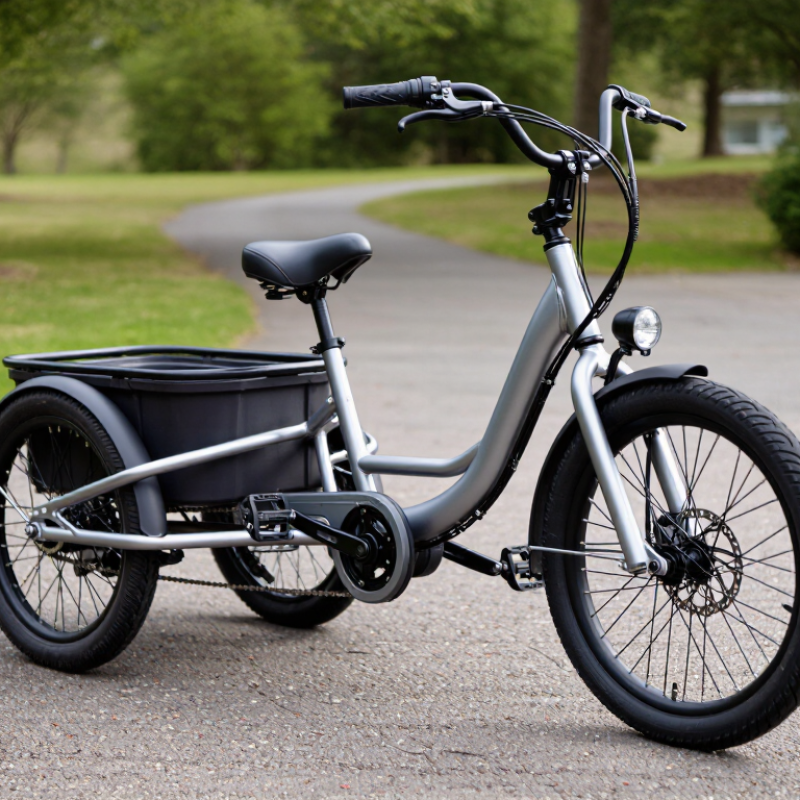
Before comparing frame shapes or seat styles, picture where the trike will actually go. Will you ride paved neighborhood paths, uneven park trails, or busy streets? Be specific. A short, flat trip to the grocery store calls for different priorities than a regular ride with hills and longer distances. Note your usual route, how often you expect to ride, and whether you need space for a bag or groceries.
Pay attention to the small details. A steep driveway can make a heavy trike difficult to maneuver, while cracked pavement may call for wider tires and a comfortable seat. If you plan to carry cargo, estimate its weight rather than guessing. Check that the trike’s capacity suits both rider and load. Storage matters, too. Measure your doorway or shed before choosing a model; a trike that fits the route but not the storage space becomes a hassle.
Think about how you will get on and off, especially if balance or joint movement is a concern. A low step-through frame may help, but fit still depends on your height and leg reach. If possible, test ride on a surface similar to your normal route. Notice whether steering feels controlled and whether you can stop and restart comfortably. It is easy to focus on speed and overlook turning space. I might still misjudge that. A few slow laps around a tight corner can reveal more than a quick ride on an open path.
10 Tips for Choosing the Best Adult Trike: Assess Your Riding Needs and Intended Use
| Tip | Riding Need or Intended Use | What to Assess | Practical Guidance |
|---|---|---|---|
| 1. Define your main purpose | Leisure rides, errands, exercise, or carrying belongings | How often you will ride, typical trip length, and what you need to carry | Choose a configuration suited to your most common trips rather than occasional needs alone. |
| 2. Match the trike to your routes | Flat streets, hills, paved paths, or mixed surfaces | Road gradients, surface quality, traffic, and available riding space | For frequent hills, consider suitable gearing and braking; for rough surfaces, check tire type and clearance. |
| 3. Check the fit and step-through access | Riders who value easy mounting or have limited flexibility | Frame access, saddle height range, handlebar reach, and riding posture | Confirm the adjustment range fits your body, and test getting on and off while wearing usual riding clothes. |
| 4. Evaluate stability and handling | New trike riders, slower rides, or frequent stops | Overall width, turning behavior, seat support, and balance when starting or stopping | Test turns at a controlled speed. A trike does not lean like a bicycle, so avoid sharp turns at speed. |
| 5. Select gearing for your effort level | Hilly routes, longer trips, or riders who prefer easier pedaling | Number and range of gears, gear-shifting operation, and expected terrain | A wider gear range can make varied terrain easier to manage; check that the controls are comfortable to use. |
| 6. Review braking and visibility | Traffic, descents, shared paths, or rides in low light | Brake operation, tire grip, reflectors, and compatibility with lights | Test the brakes before riding in traffic and use front and rear lights when visibility is reduced. |
| 7. Calculate carrying needs | Shopping, personal items, or work supplies | Basket or rack capacity, secure attachment, and the trike’s total load limit | Check the specified limits for the rider and cargo; distribute loads securely and evenly. |
| 8. Consider electric assistance if useful | Longer distances, hills, or support for managing pedaling effort | Assistance levels, battery range under expected conditions, charging, and added weight | Treat advertised range as an estimate; terrain, rider and cargo weight, temperature, and assistance level affect it. |
| 9. Plan storage and transport | Small homes, shared storage, or travel by car | Overall dimensions, turning clearance, storage access, and vehicle or rack compatibility | Measure doorways and storage areas, and confirm transport equipment is suitable for the trike’s size and weight. |
| 10. Take a test ride and check upkeep | Any rider comparing suitable options | Comfort, controls, turning, stopping, tire access, and availability of routine service | Ride on a safe route similar to your usual terrain and review the care instructions before choosing. |
Note: Specifications and load limits vary by model. Check the product documentation and local cycling rules before riding.
Related Posts
-
2026 Top Tricycle for Women Which One Is Best?
-

How to Choose the Best Trike for Adults for Comfort and Stability
-

Best Tricycles for Elderly Considerations and Buying Guide?
-
2026 Best Trike For Adult Buying Guide For Global Buyers
-

Why Choose a Tricycle for Elderly Users?
-
Top 5 Front Wheel Trikes for Global Buyers in 2026?


