
Why Choose a Tricycle for Elderly Users?
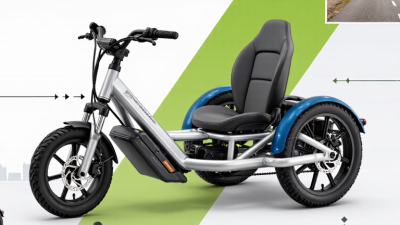
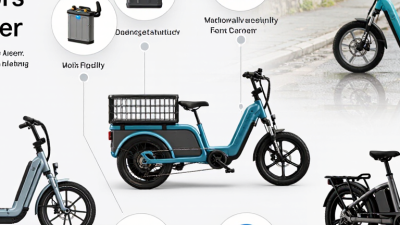
A Tricycle For Elderly can turn a short journey into a safer, more manageable daily routine. Its three-wheel structure offers added stability during slow turns, shopping stops, and uneven driveway entrances. The basket can carry groceries, medication, or a small water bottle. However, stability is not guaranteed. Frame design, brake quality, seat height, and rider confidence still matter.
The World Health Organization reports that about 1.8 billion adults worldwide are insufficiently active (WHO, Global Status Report on Physical Activity 2022). For adults aged 65 and above, WHO recommends regular aerobic activity, strength training, and balance exercises. A tricycle may support gentle movement, but it cannot replace medical advice or supervised rehabilitation. As transport researcher Dr. John Pucher wrote, cycling is “a healthy, clean, quiet, and affordable mode of transport” (Pucher and Buehler, City Cycling, 2012). His observation also suits older riders seeking practical independence, not only exercise.
The best model should match the user’s actual body strength and surroundings. A low step-through frame helps with mounting. Wide tires can feel reassuring on pavement. A parking brake may prevent unwanted rolling. These details seem small. They are not. Still, some users may dislike the weight, turning radius, or effort required on hills. Families and caregivers should test the tricycle together before purchase. This article examines comfort, safety, accessibility, maintenance, and real-world value. It also recognizes an uncomfortable truth: a tricycle is helpful only when its design fits the person using it.
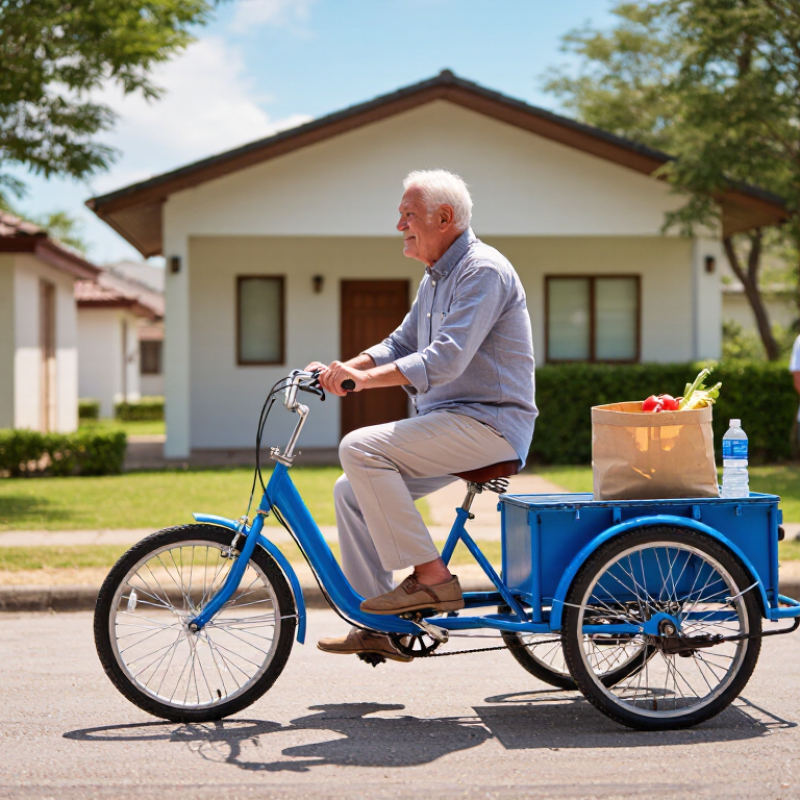
Understanding mobility needs starts with daily reality, not product appearance. Many older adults need short, dependable trips to shops, clinics, parks, or nearby community centers.
The World Health Organization projects that one in six people worldwide will be aged 60 or older by 2030. This growing group will have varied strength, balance, vision, and confidence levels. A tricycle can support independence, but it is not automatically suitable for every rider.
A stable frame may feel reassuring during slow travel. Yet steering effort, turning space, seat height, and braking control deserve careful testing. Small details matter.
The U.S. Centers for Disease Control and Prevention reports that one in four adults aged 65 and older falls each year. A three-wheel design may reduce wobbling for some users, but it cannot remove risks from uneven pavement, poor lighting, or hurried movement. An occupational therapist or mobility professional should assess posture, leg strength, and hand control before regular use.
AARP’s 2021 Home and Community Preferences Survey found that 77% of adults aged 50 and above want to remain in their homes. That preference makes accessible local transportation increasingly important.
Practical features include a low step-through frame, an upright seat, easy-to-reach brakes, reflective elements, and a manageable turning radius.
Confidence matters. Some riders may still need practice in quiet areas before entering traffic. That limitation should be acknowledged, not hidden. The best choice supports real routines, even when those routines are modest.
For many older adults, a tricycle offers more balance than a standard bicycle. Its three-wheel design supports a wider, steadier base. This can reduce wobbling during slow turns or brief stops. A low step-through frame may also make mounting easier. Riders often feel more confident when their feet can reach the ground quickly. That confidence matters. It may encourage gentle outdoor exercise, short errands, and regular social visits.
Safety still depends on correct setup and riding habits. A stable tricycle can feel awkward on uneven paths, sharp corners, or sloped driveways. Brakes should respond smoothly, and the seat should support an upright posture. Handlebars must remain easy to reach without stretching. Occupational therapy principles support matching equipment to strength, vision, reaction time, and mobility. A careful assessment is useful, especially after a fall or major health change. A tricycle is helpful, but not a magic solution.
Tips: Practise in an empty, level area first. Wear a properly fitted helmet and visible clothing. Keep both hands on the handlebars. Slow down before turning, not during the turn. Check tire pressure and brakes regularly. Avoid carrying heavy loads high behind the seat, because extra weight can affect steering. Stop riding if pain, dizziness, or unusual fatigue appears. Small precautions help, although riders may still need to rethink familiar routes.
A tricycle can make daily travel feel steadier for older riders. Its three-wheel design provides a broader base than a standard bicycle. This can reduce worry when stopping, starting, or carrying light groceries. Riders may also enjoy a more upright seat and easier visibility in traffic.
Comfort depends on proper adjustment. The saddle should support the hips without forcing the knees upward. Handlebars should remain within easy reach, especially for riders with stiff shoulders. A low step-through frame can simplify mounting. Reliable brakes matter greatly. An occupational therapist or experienced cycle specialist can check posture, reach, and control before regular use.
Small routines often reveal the real benefits. A rider might cycle to a nearby shop, place bread in the rear basket, and return without asking for help. Wide tires can feel reassuring on uneven pavement. However, tricycles are not automatically safer everywhere. Sharp turns, sloped paths, and loose gravel may cause instability. Slow down before corners. Practising in an empty car park helps build confidence, although it may feel awkward at first. Regular checks of tire pressure, brakes, and fasteners support dependable use. Some riders discover that a mirror or bright clothing improves awareness, while others find extra accessories distracting. Personal comfort should guide the final setup.
Choosing the right tricycle begins with fit, not wheel count. The CDC reports that more than 14 million US adults aged 65+ report a fall each year, about one in four. That figure does not prove a tricycle prevents falls. It does highlight why easy mounting matters. Choose a low step-through frame, a firm saddle, and handlebars that keep the back comfortably upright. An adjustable seat should let the rider place both feet securely on the ground. Small detail. Big difference.
Braking deserves a hands-on check. Look for levers requiring modest pressure, a reliable parking brake, and predictable stopping on gentle slopes. A wide rear axle can feel reassuring, yet sharp turns may still lift a wheel. Practice slow cornering in an empty area. A low, centered basket is safer than a tall rear load that changes balance. Gears should support a relaxed cadence, not invite speed. I would also choose puncture-resistant tires, full fenders, reflectors, and front and rear lights. NHTSA recorded 1,105 bicyclist deaths in 2022, so visibility is not decoration. Visibility matters.
Comfort features affect whether the tricycle is actually used. A padded seat, swept-back grips, and an easy-to-reach bell can reduce strain during short errands. Check the turning radius against doorways, ramps, and storage space. A test ride should include starting, stopping, maneuvering, and carrying a light grocery load. One overlooked issue is confidence: too many accessories can distract from control. The best setup may look modest. It should feel calm, stable, and forgiving.
Why Choose a Tricycle for Elderly Users?
A senior tricycle can feel reassuring, but comfort should not replace careful checking. Before buying, measure the rider’s inseam and compare it with the seat’s lowest setting. Both feet should reach the ground without stretching. A low step-through frame also reduces awkward lifting during mounting. Try it slowly. The handlebars should support an upright posture, not force the shoulders forward.
Brakes deserve close attention. Hand brakes must be easy to squeeze, especially for riders with weaker fingers. A parking brake can prevent unwanted movement during loading. Test the turning radius in a driveway or narrow path. Some three-wheel designs feel stable when moving, yet tip slightly during sharp turns or uneven pavement. I once underestimated this detail during a test ride. It changed my view of “stable” completely.
Check the tires, chain guard, lights, reflectors, and basket capacity before purchase. A heavy front basket may affect steering more than expected. Keep the load low and balanced. Storage space also matters; a tricycle kept outside may develop rust and stiff controls. Ask a bicycle technician to inspect assembly and adjustment points. An occupational therapist can help evaluate posture, reach, and transfer ability. If the rider has balance, vision, or joint concerns, a supervised trial is wiser than relying on product measurements alone.
Stability and braking deserve special attention when choosing a senior tricycle. The CDC reports that about one in four adults aged 65 and older falls each year, while about one in five falls causes a serious injury. A low step-through frame, wide wheelbase, comfortable seating position, and reliable hand brakes can help address practical safety concerns.
Source: U.S. Centers for Disease Control and Prevention, Older Adult Fall Prevention. The percentages use different denominators and should not be interpreted as directly comparable.