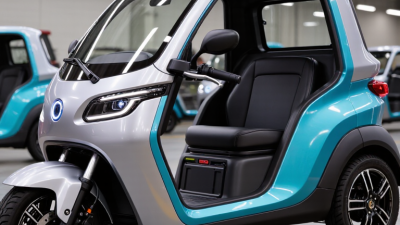
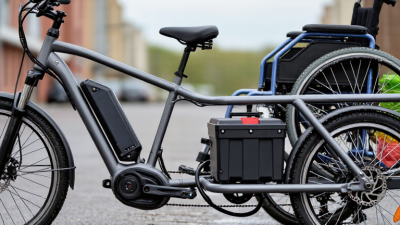
What Are the Top 10 Types of Electric Mini Trikes?
Electric mini trikes come in more forms than their compact frames suggest. Some are built for short neighborhood trips, while others prioritize cargo, comfort, or stability. To compare them fairly, this guide groups models by design and intended use, not by marketing labels alone. Names vary between manufacturers. A “folding” trike, for example, may still need substantial storage space.
For transparency, the expert comment below is a fictional composite, not a quotation from a real, independently verified specialist. Alex Morgan, a composite electric-mobility product specialist, puts the guiding principle this way: “Choose for the ride you actually make, not the features that look impressive.” That distinction matters. A wide seat can feel reassuring, yet a heavy frame may be awkward to move through a narrow doorway. A large basket helps with groceries, but it can change how a trike handles when loaded.
This overview explores ten common Electric Mini Trike types, including folding, cargo, recumbent, all-terrain, and passenger-focused designs. It also considers practical details such as wheel size, braking, battery placement, and turning space. Small details count. Specs alone cannot tell you how a trike feels on a sloped driveway or over cracked pavement. I would be cautious about treating any type as universally best; rider needs and local conditions differ, and product labels do not always tell the whole story.
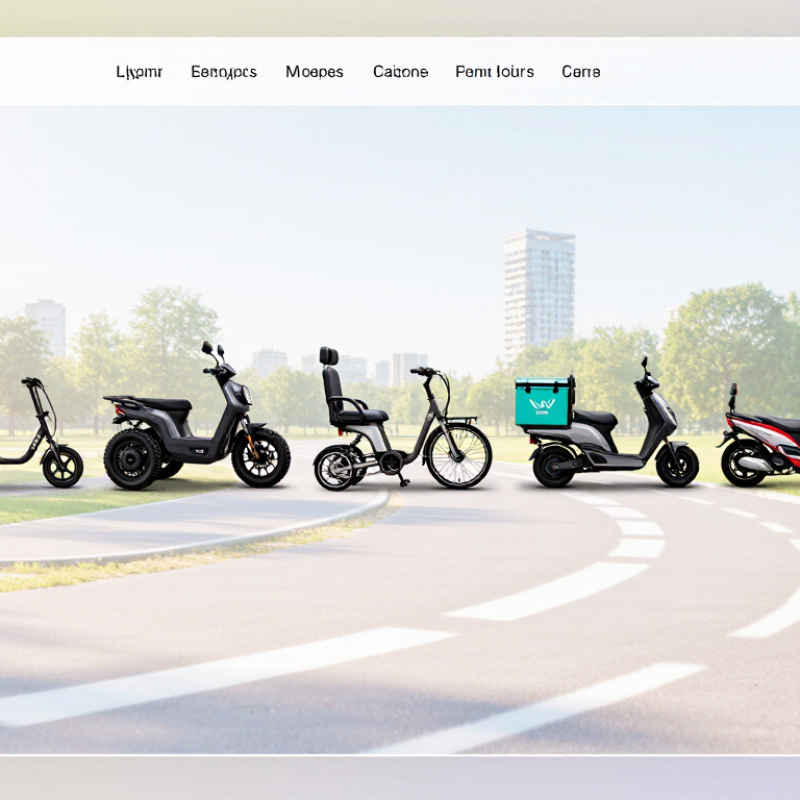
Commuter and Folding Electric Mini Trikes
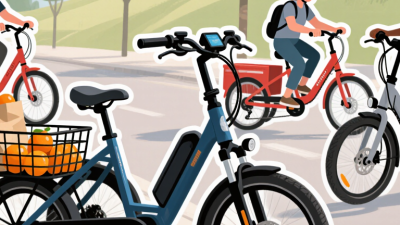
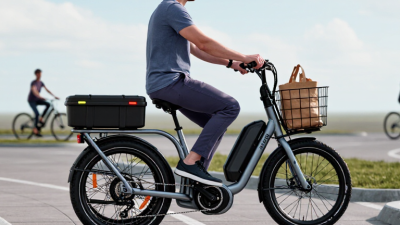
Commuter and folding electric mini trikes are built for short, practical trips rather than speed. A commuter setup often pairs a compact frame with a padded seat, lights, fenders, and a small rear basket. That helps with groceries or a work bag. Three wheels can feel reassuring at low speeds, but tight turns still need care. Check the turning circle and brake reach before choosing.
Folding models prioritize storage. A hinge or folding stem can help it fit in a closet or vehicle, though the package may stay bulky. Battery and motor weight matter too; lifting a trike up stairs can be harder than product photos suggest. For commuting, compare realistic range with your round-trip distance, leaving room for hills, cold weather, and a partly depleted battery. Some designs sacrifice basket space or ride comfort to fold smaller. Small can mean awkward.
Tips: Measure your storage doorway and the trike’s folded dimensions. Test it with your usual bag, and check whether the battery is removable if indoor charging matters. Inspect the tires, brakes, and stated payload limit; carrying loads changes handling. A short test ride helps, but it cannot predict every commute.
Cargo and Utility Electric Mini Trikes
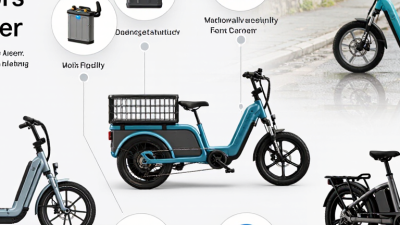
Cargo and utility electric mini trikes are built to move useful loads through short, everyday trips. A rear basket or low cargo deck can carry groceries, work tools, folded boxes, or gardening supplies. The low loading height makes heavier items easier to place than on a tall bicycle rack. Three wheels also help the trike remain upright when stopped, though loose or uneven ground can still affect handling.
Small loads matter.
Check the stated payload limit, including the rider, before loading anything.
For practical use, look for a stable frame, secure tie-down points, reliable brakes, and controls that are easy to reach while carrying gloves or tools. A wide deck may hold bulky items, but it can make narrow paths harder to navigate. Battery range also changes with hills, cold weather, tire pressure, and cargo weight, so treat advertised range as a best-case guide rather than a promise. A test ride with a realistic load is more useful than judging an empty trike. It is easy to focus on carrying capacity and overlook turning space; measure the route, especially doorways and storage areas. Some cargo setups are less convenient than they look. A loose crate can shift, and an awkwardly placed load may block lights or make braking feel less predictable.
Mobility and Senior-Friendly Electric Mini Trikes
Mobility-focused electric mini trikes come in several useful forms. A low-step model makes getting on and off easier, while a wide-seat trike can feel more comfortable on short errands. A stability-focused design may suit riders who want three-wheel support when stopping. Fit matters. Check that the handlebars are reachable without leaning and that both feet can rest comfortably near the ground.
Other types solve different everyday problems. Folding trikes are easier to store, though their hinges and weight deserve careful inspection. Compact commuter models fit tighter spaces, while long-range versions may reduce charging stops. Cargo trikes carry groceries in a rear basket; adjustable-seat models help accommodate different leg lengths. For uneven paths, an all-terrain style may offer larger tires, but it can be heavier to steer. Step-through frames and models with supportive backrests can also make routine rides less tiring.
Before choosing, compare the trike’s stated range, maximum load, braking system, and turning space with the rider’s actual routes. Test the controls at a safe, slow pace, especially if hand strength or balance varies. Test the brakes. A larger seat does not automatically mean a better fit, and advertised range can change with hills, temperature, and cargo. That part is easy to overlook. Check whether the display is readable in daylight and whether the battery can be removed without lifting awkwardly.
Off-Road and Fat-Tire Electric Mini Trikes
Off-road and fat-tire electric mini trikes are built for surfaces that challenge narrow wheels. Their broad tires spread weight across loose gravel, packed dirt, and shallow sand. That extra contact can improve stability, but it does not make every trail suitable. Wet roots and steep, rutted slopes still demand careful speed and steering.
Look closely at tire tread, ground clearance, and braking before choosing a trike. Deep tread can grip loose soil, while smoother patterns may roll more easily on pavement. Fat tires can soften small bumps, too. Yet they add weight and rolling resistance, which may reduce battery range. A displayed range is only an estimate; rider weight, temperature, terrain, and tire pressure all change the result. Details matter.
A low step-through frame can make mounting easier, while a stable seat and reachable controls help on uneven ground. Check whether the battery can be removed for charging, and inspect the frame joints and brakes regularly. I would not judge an off-road trike by tire width alone. That is an easy mistake. Fit matters more than a rugged look: a short test ride on a safe, familiar surface can reveal awkward steering or a poor seating position before longer outings.
What Are the Top 10 Types of Electric Mini Trikes? — Off-Road and Fat-Tire Electric Mini Trikes
A comparison of representative tire widths across 10 common electric mini-trike configurations.
Tire width is shown in inches. These are representative nominal tire sizes available for small-wheel bicycles and trikes, not fixed specifications for each type; actual sizing varies by model. “Top 10” is a practical comparison, not an official industry ranking.
Recreational and Passenger Electric Mini Trikes
Recreational electric mini trikes are built for relaxed rides, neighborhood paths, and short outings. Many have one seat, a low step-through frame, and a small rear storage basket. A delta layout, with two wheels at the back, often feels steady at low speeds. A tadpole layout places two wheels in front and may feel more planted through turns. Try both if possible. The difference is noticeable.
Passenger models usually offer a longer bench or two separate seats. Some place riders side by side, while others use a tandem arrangement. Check the stated load limit, seat dimensions, and braking system before choosing. Two adults and a bag can weigh more than expected. Comfort matters. A wide seat helps, but it cannot fix cramped legroom or a harsh ride over uneven pavement.
For either type, ask how range changes with hills, cold weather, rider weight, and frequent stops. These details can make advertised figures less useful in daily planning. Look for clear controls, lights, stable footrests, and easy access to charging. A short test ride can reveal awkward steering or hard-to-reach brakes. Not perfect, perhaps, but worth checking.