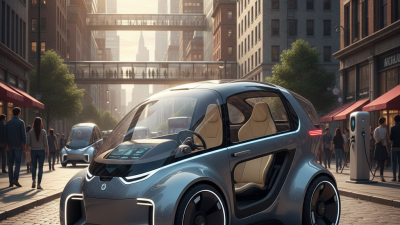
Top 10 China Two Seat Electric Cars for Global Buyers
Choosing a small electric vehicle for international use requires more than comparing photographs and advertised prices. This guide introduces the Top 10 China Two Seat Electric Cars for Global Buyers, focusing on practical ownership rather than showroom appeal. Each Two Seat Electric Car is considered through measurable details, including battery capacity, driving range, charging method, dimensions, safety equipment, cabin comfort, and after-sales support. These factors matter when a vehicle must fit narrow city streets, apartment parking spaces, or a compact garage.
The selection also considers real purchasing questions. Can the car accept local charging standards? Is the battery covered by a clear warranty? Are replacement parts available outside China? A low purchase price may become less attractive when shipping, taxes, certification, insurance, and servicing are added. Buyers should verify these costs with authorized sellers and local authorities before committing. Specifications can change between production batches, and translated listings may contain errors. That is worth remembering.
Not every model suits every driver. Some prioritize easy parking and low energy use, while others offer stronger weather protection, faster charging, or better motorway stability. Short trips are their natural territory. Long-distance travel may expose limitations in range, seating space, and charging access. Our comparison aims to provide a balanced starting point, using manufacturer information where available and practical buyer considerations where official data remains incomplete. Treat the ranking as guidance, not a final verdict. A careful test drive, documented warranty, and independent inspection still matter. Small cars deserve serious research.
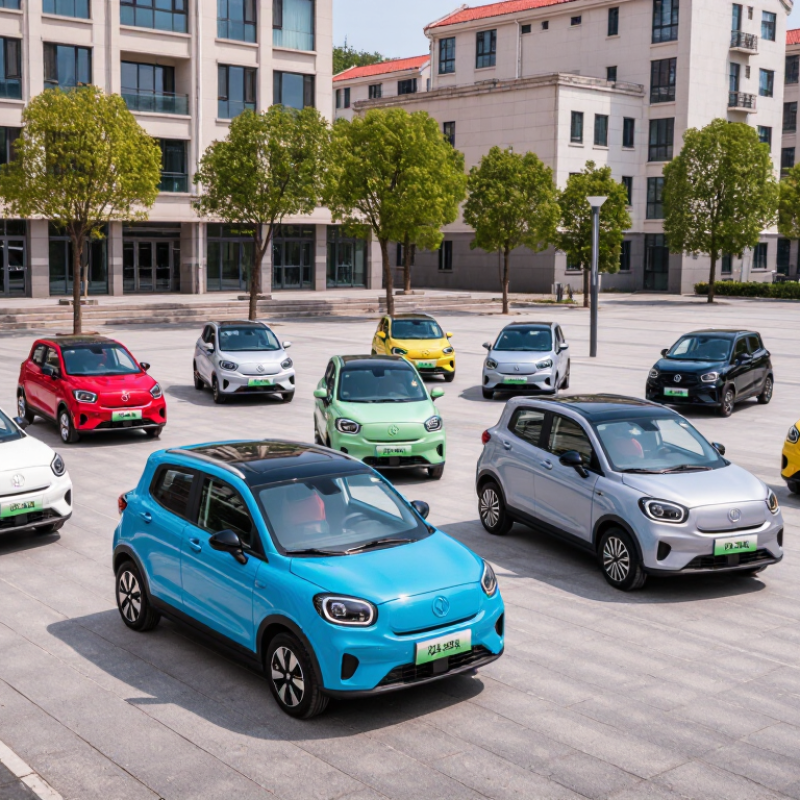
Definition and Scope of Two-Seat Electric Cars from China
Definition and Scope of Two-Seat Electric Cars from China
Two-seat electric cars from China are compact vehicles designed to carry one driver and one passenger. They usually use a battery-powered motor, enclosed cabin, and short body. Some models are built for city streets, while others suit resorts, campuses, or private communities. Their small size can make parking easier and reduce daily energy use. However, “two-seat” does not automatically mean highway-ready. Vehicle classification, speed limits, crash protection, and registration rules differ between countries.
From a buyer’s perspective, the scope should include more than seat count. Check battery chemistry, usable range, charging time, motor output, ground clearance, and weather protection. Ask for independent test records, not only factory figures. A practical inspection should examine door seals, brake response, wiring, tire markings, and battery documentation. Import experience also shows that after-sales support can matter more than a lower purchase price. The category is not perfectly uniform. Some small vehicles feel refined, while others reveal weak insulation or limited suspension travel.
Tips: Confirm local approval before ordering. Request a complete specification sheet and charging details. Measure the vehicle against your garage entrance. Check whether replacement parts and technical support are available in your country. Leave a safety margin for cold weather, hills, passengers, and aging batteries. Small cars have limits. Test carefully.
Selection Criteria for Ranking the Top 10 Models
Top 10 China Two Seat Electric Cars for Global Buyers
Selection begins with safety, not styling. Each model must show credible evidence of structural protection, seat-belt performance, airbags, lighting, and electronic stability control. Where independent crash testing is unavailable, that limitation reduces the score. UNECE vehicle regulations provide a useful compliance reference, but approval rules still vary across markets.
Battery performance receives equal attention. The ranking compares usable capacity, tested range, charging speed, thermal management, and warranty terms. Official range figures can look generous. Real traffic, winter temperatures, hills, and cabin heating often reduce them. The IEA’s Global EV Outlook 2025 recorded more than 17 million electric-car sales in 2024, strengthening the case for transparent battery data. However, small two-seat vehicles are often absent from broad market datasets.
Practical ownership also matters. We assess turning radius, parking width, cargo space, visibility, weather sealing, repair access, spare-parts support, and mobile-app reliability. Total cost includes energy, insurance, servicing, import duties, and charging equipment. The International Council on Clean Transportation repeatedly highlights lifetime cost and charging access as important adoption factors. Local homologation remains decisive for global buyers. Numbers can mislead. A compact vehicle may excel in dense urban streets yet struggle on highways or in hot climates. The ranking is not flawless, especially where independent durability records remain limited.
Top 10 China-Made Two-Seat Electric Cars
China-made two-seat electric cars are gaining attention among global buyers seeking compact urban transport. Their short bodies fit narrow streets, crowded parking areas, and small residential garages. Many models use simple interiors, digital dashboards, and modest battery packs for daily commuting. Some offer removable batteries, while others rely on home or public charging.
The driving experience can feel surprisingly practical. Instant electric torque helps during city starts, and low operating costs support frequent short trips. However, specifications differ greatly between markets. Check battery chemistry, charging standards, warranty coverage, and spare-part access before ordering. Safety equipment also deserves close inspection, including airbags, braking systems, visibility, and crash-test evidence. A low price does not automatically mean good value.
One weakness is range confidence. Cold weather, heavy passengers, hills, and aging batteries can reduce real distance. Official figures may look optimistic. That matters.
Tips: Measure your parking space carefully. Confirm the vehicle’s legal classification in your country. Ask for a clear battery warranty and written service terms. Test the seat position, door opening, and mirror visibility before purchase. A two-seat layout may feel liberating, but it limits family use and luggage capacity. Buyers should also compare charging time, insurance requirements, and local repair support. Imported vehicles can create delays when technical documents are incomplete. Personally, I would prioritize verified safety data over decorative features or a larger screen.
Top 10 China Two Seat Electric Cars for Global Buyers - Top 10 China-Made Two-Seat Electric Cars
| Rank |
Vehicle Reference |
Seats |
Length × Width × Height |
Battery Capacity |
Published Range |
Top Speed |
Charging |
Drive Layout |
Best Use |
| 1 |
Vehicle A — Long-Range Micro EV |
2 |
2,810 × 1,548 × 1,555 mm |
18 kWh |
155 km NEDC |
85 km/h |
AC, approximately 6–8 hours |
Rear-wheel drive |
Urban commuting and compact parking |
| 2 |
Vehicle B — Premium City EV |
2 |
2,488 × 1,506 × 1,670 mm |
14.9 kWh |
250 km NEDC |
100 km/h |
AC, approximately 7–8 hours |
Rear-wheel drive |
Daily city travel and short suburban trips |
| 3 |
Vehicle C — Extended-Range City EV |
2 |
2,497 × 1,526 × 1,616 mm |
15.9 kWh |
210 km NEDC |
100 km/h |
AC, approximately 7–9 hours |
Rear-wheel drive |
Commuting, errands, and low-cost mobility |
| 4 |
Vehicle D — Lightweight Two-Seater |
2 |
2,760 × 1,490 × 1,570 mm |
9.2 kWh |
120 km NEDC |
80 km/h |
AC, approximately 6 hours |
Rear-wheel drive |
Low-speed urban transport |
| 5 |
Vehicle E — Compact Commercial EV |
2 |
2,850 × 1,500 × 1,600 mm |
10.8 kWh |
100–130 km NEDC |
70 km/h |
AC, approximately 6–8 hours |
Rear-wheel drive |
Factory sites, resorts, and delivery routes |
| 6 |
Vehicle F — Entry-Level Micro EV |
2 |
2,400 × 1,200 × 1,600 mm |
7.2 kWh |
80–100 km NEDC |
45 km/h |
Standard household outlet, approximately 6–8 hours |
Rear-wheel drive |
Private compounds and short urban journeys |
| 7 |
Vehicle G — Performance Micro EV |
2 |
2,800 × 1,500 × 1,580 mm |
17.3 kWh |
150–180 km NEDC |
100 km/h |
AC, approximately 8 hours |
Rear-wheel drive |
Faster city roads and suburban commuting |
| 8 |
Vehicle H — Utility Neighborhood EV |
2 |
2,650 × 1,450 × 1,560 mm |
10.8 kWh |
120 km NEDC |
75 km/h |
AC, approximately 6–8 hours |
Rear-wheel drive |
Residential communities and campus mobility |
| 9 |
Vehicle I — Lithium-Ion City EV |
2 |
2,760 × 1,490 × 1,570 mm |
13.9 kWh |
150 km NEDC |
80 km/h |
AC, approximately 7–9 hours |
Rear-wheel drive |
Personal mobility and urban errands |
| 10 |
Vehicle J — Export-Oriented Micro EV |
2 |
2,850 × 1,500 × 1,600 mm |
15 kWh |
120–160 km NEDC |
80 km/h |
AC, approximately 8 hours |
Rear-wheel drive |
Tourist areas, closed communities, and local transport |
Note: Specifications are representative published figures for China-made two-seat electric microcars and may vary by model year, battery configuration, homologation market, and testing method. NEDC range is generally higher than real-world range.
Key Specifications and Performance Comparison
Top 10 China Two Seat Electric Cars for Global Buyers
Key specifications vary widely across China’s two-seat electric car market. The lightest models use 4–8 kWh batteries and offer about 80–120 km of claimed range. Larger urban models often carry 10–18 kWh packs, reaching 150–220 km under local test cycles. Real traffic can reduce those figures by 20–35 percent.
Motor outputs commonly range from 3 kW to 15 kW. Entry-level cars feel calm on flat streets, while stronger versions reach 70–100 km/h more confidently. Charging is another important difference. Some models accept only slow household charging, often requiring six to ten hours. Others support faster charging and can recover most daily range during a short break. Check the connector standard before shipping.
Cabin width, braking hardware, and weather protection deserve close inspection. A 1.8-metre body is easy to park, but rear storage may hold only a small bag. Models with disc brakes, electronic stability support, airbags, and heated ventilation suit wider markets better. Range claims need skepticism. Cold weather, hills, passenger weight, and air-conditioning all matter. I would compare verified test results, battery warranty terms, ground clearance, and local approval requirements before purchase. Some published specifications remain incomplete. That is a warning, not a minor detail.
Global Purchasing, Import, and Ownership Considerations
Top 10 China Two Seat Electric Cars for Global Buyers
Global Purchasing, Import, and Ownership Considerations
China’s two-seat electric cars attract buyers seeking compact urban transport and lower operating costs. The IEA’s Global EV Outlook 2025 reports that worldwide electric car sales exceeded 17 million in 2024. However, global demand does not guarantee simple importing. Vehicle approval, battery documentation, charging compatibility, and spare-part access vary sharply by country.
For a practical Top 10 comparison, check more than the advertised range. Confirm the battery chemistry, usable capacity, warranty terms, and charging connector. A small car claiming 200 kilometers may achieve less in winter, heavy traffic, or with an aging battery. Import paperwork should match the vehicle identification number, invoice, safety certificates, and declared specifications. Customs classification can also affect taxes and delivery timing. Tiny details matter.
Tips:
Ask for an independent pre-shipment inspection. Photograph the battery label, charging port, tires, lights, and underbody. Confirm whether the onboard charger supports your local voltage. Also check whether local technicians can read diagnostic codes. The International Energy Agency notes that public charging infrastructure continues expanding, but access remains uneven between regions. Home charging may be essential.
Ownership costs deserve careful attention. Compare insurance, registration, battery replacement estimates, shipping damage coverage, and winter equipment. Two seats reduce cabin space, but not always service complexity. Some listings appear inexpensive until logistics and compliance fees arrive. That is where my view becomes less confident: advertised savings can disappear quickly without a local support plan.