7 Best Tricycles for Women in 2026
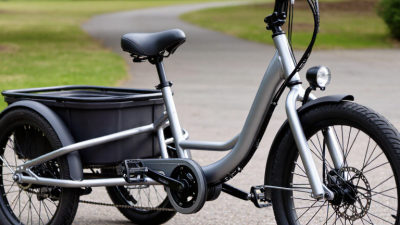
A tricycle can make everyday rides feel steadier, whether you are carrying groceries or taking a quiet route through the park. The right Tricycle For Women should fit your body, your plans, and the places you actually ride. A low step-through frame may make mounting easier. A supportive saddle, reachable handlebars, and dependable brakes can matter more than flashy extras. Small details count.
This guide to the 7 Best Tricycles for Women in 2026 compares practical features, including frame style, gearing, storage, braking systems, and stated weight limits. It also considers where each design may work best, from smooth neighborhood paths to short errands with a loaded basket. No model suits everyone. A wide seat can feel comfortable on one ride and awkward on another, while a compact frame may store easily but offer less cargo space. Specifications help, but they cannot predict every rider’s comfort. Check current manufacturer details before buying, especially measurements, assembly requirements, and weight capacity. A test ride is useful when available. That can change everything. The aim here is not to promise a perfect pick, but to help you compare options with clear expectations and choose a tricycle that feels manageable in daily use.
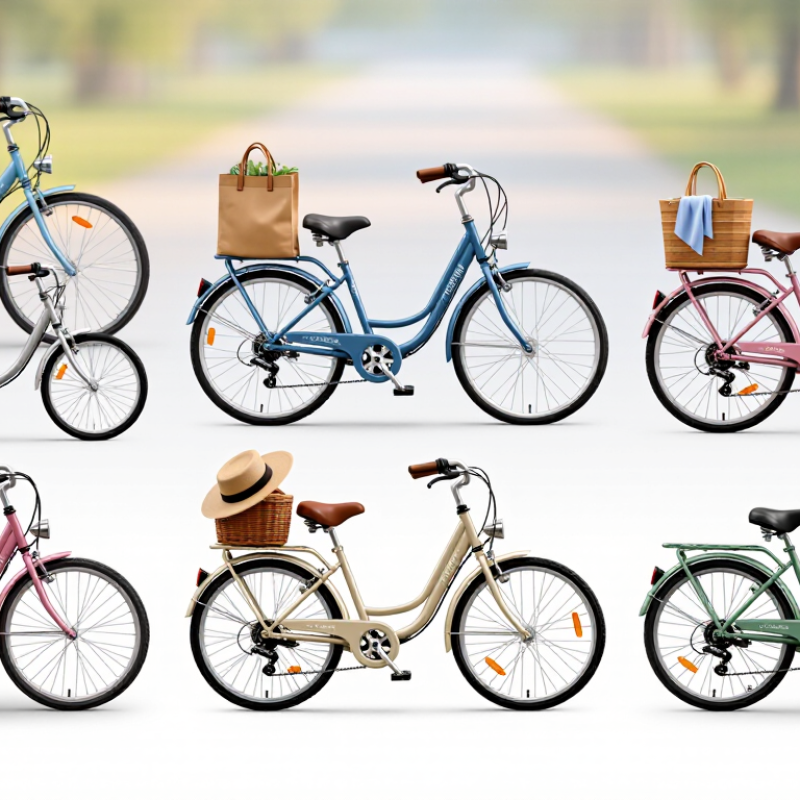
Understanding Tricycles and Their Benefits for Women
A tricycle has three wheels, a stable frame, and usually a wide seat with an upright riding position. For many women, these features can make casual rides and short errands feel more manageable. The extra wheel helps the bike stay upright when stopped, while a low step-through frame can make getting on and off easier. That matters. Tricycles are not only for older riders; comfort, balance, and confidence matter at every age.
Many adult models include a rear basket for groceries, a handbag, or a light jacket. A broad seat and adjustable handlebars can reduce pressure on the hands and back, though fit varies from rider to rider. Before choosing one, check the handlebar reach, seat height, and overall width. A tricycle needs more room to turn than a two-wheel bike. Tight corners can surprise new riders.
The ride may feel steady, but it is not effortless or risk-free. Practice turns and braking in a quiet, level area before carrying a full basket. Uneven pavement can jostle the frame, and hills may demand more effort than expected. I would not assume one design suits every woman; height, strength, balance, and intended use all change what feels comfortable. A short test ride can reveal more than a feature list.
7 Best Tricycles for Women in 2026 - Understanding Tricycles and Their Benefits for Women
| Tricycle Type |
Best Suited For |
Common Configuration |
Main Benefits |
Things to Consider |
| Upright Comfort Tricycle |
Leisure rides, errands, and riders who prefer a familiar seated position |
Two wheels at the rear; commonly available with 20-, 24-, or 26-inch wheels; often single-speed or geared |
Stable when stopped; typically includes an upright handlebar and a rear basket or rack |
A wide rear axle needs extra room. Take turns slowly because three-wheelers do not lean like bicycles. |
| Geared Adult Tricycle |
Hilly neighborhoods or routes with frequent stops and starts |
Upright frame with multiple gears; gearing and wheel sizes vary by model |
Lower gears can make climbing and starting easier; higher gears can help on flatter stretches |
More gears add adjustment and maintenance needs. Check that the lowest gear suits the steepest regular climb. |
| Folding Tricycle |
Riders with limited storage space or a need to transport a tricycle by car |
Hinged or separable frame; many compact designs use smaller wheels, often around 20 inches |
Can reduce storage footprint compared with a fixed-frame adult tricycle |
Folding models can be heavy and still bulky. Confirm folded dimensions and the maker’s instructions for locking the frame. |
| Electric-Assist Tricycle |
Longer trips, hills, or riders who want motor assistance while pedaling |
Battery-powered motor with pedal assist; some models also include a throttle. Motor, battery, and range differ widely. |
Assistance can reduce pedaling effort; useful range depends on terrain, load, assist level, and battery condition |
Typically heavier than non-electric designs. Check charging time, replacement-battery availability, braking, and local e-bike rules. |
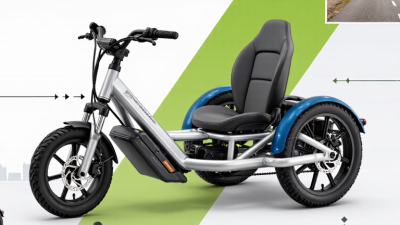
| Delta Recumbent Tricycle |
Riders who prefer a reclined seating position and easy access to a seat between the rear wheels |
One front wheel and two rear wheels; seat angle and wheel sizes vary by design |
A backrest supports the torso, and the layout can provide a stable platform when stationary |
The reclined posture and steering feel take practice. Check seat adjustment and whether the tricycle fits the intended storage space. |
| Tadpole Recumbent Tricycle |
Riders seeking a low, reclined ride for paved paths and recreational cycling |
Two front wheels and one rear wheel; steering is usually at the front |
Low seating and a reclined posture; the two front wheels can provide a broad stance |
Low seat height can make visibility and getting in or out more challenging. Test the turning radius and steering before buying. |
| Utility or Cargo Tricycle |
Grocery shopping, carrying everyday items, or practical local trips |
Upright or step-through frame with a larger basket, platform, or cargo box; layouts vary |
Purpose-built carrying space can keep bags off the handlebars and make routine errands easier |
Cargo increases weight and can affect handling. Follow the stated load limit and distribute items evenly. |
Buying note: These are general tricycle categories, not specific product models. Equipment, dimensions, load limits, and available gearing vary by model. Before choosing, check the published specifications and test the frame fit, seat height, brakes, turning space, and storage requirements. Step-through frames and adjustable seats may suit some riders, but fit should be assessed individually.
How to Choose a Tricycle for Comfort, Stability, and Use
A comfortable tricycle should fit your body before it fits your plans. Sit on it and check that both feet reach the ground, your knees stay slightly bent at the pedals, and the handlebars do not force your shoulders forward. A wide, supportive seat can help on slow neighborhood rides, but excessive padding may rub during longer trips. Measure doorways and storage space too; a stable tricycle can still be awkward to park. Small detail. Test it loaded.
Stability depends on more than wheel count. Check the frame’s weight limit, wheelbase, braking response, and how easily it turns in a tight space. A low step-through frame may make mounting easier, while a basket placed too high or loaded unevenly can affect balance. The U.S. Consumer Product Safety Commission’s 2023 NEISS estimates recorded over 400,000 emergency-department-treated bicycle injuries; this broad figure is not a tricycle-specific risk estimate, but it supports checking fit and practicing braking in a clear area. The World Health Organization’s 2022 Global Status Report on Physical Activity estimated that 1.8 billion adults were insufficiently active in 2022. That is a reason to choose a tricycle you will actually use—not proof that every model suits every rider. Try the intended route, including slopes and rough pavement. I would not assume a test ride on smooth ground tells the whole story.
Seven Best Tricycles for Women in 2026
Seven Best Tricycles for Women in 2026
The best tricycle is the one that fits your body, routes, and storage space—not a label made for women. PeopleForBikes’ 2024 U.S. Bicycling Participation Report says 112 million Americans rode a bicycle in 2023. That growing audience includes riders seeking steadier, more comfortable ways to travel. For this guide, compare seven styles: folding, step-through, upright cruiser, compact, cargo, electric-assist, and recumbent tricycles. Each serves a different need. A folding frame suits tight storage; a cargo model handles groceries; a recumbent seat may ease pressure on wrists and back.
Check the details before choosing. Sit on the tricycle and test the seat height, handlebar reach, brake levers, and step-through clearance. On a test ride, try a slow turn and a stop on a slight slope. Three wheels feel stable when parked, but their width and turning radius can surprise new riders. Measure doorways and storage areas, too. Small detail. Big inconvenience.
Safety deserves equal attention. NHTSA reported 1,105 bicyclist deaths in U.S. traffic crashes in 2022; that figure covers bicyclists broadly, not tricycles specifically. It is a reminder to inspect brakes, lights, tires, and visibility rather than assume extra wheels remove risk. The right choice may not look perfect on paper. A short test ride often reveals more than a feature list.
Sizing, Safety, and Maintenance for Everyday Riding
A comfortable tricycle starts with a fit you can check, not a size label. Measure your inseam and confirm that you can sit upright, reach the handlebars, and place both feet securely on the ground. Adjust the seat before riding; your knee should remain slightly bent at the bottom of each pedal stroke. Small fit errors matter. A short test ride should include a gentle turn and a stop, ideally with the basket empty.
Safety needs extra attention because a tricycle is wider and handles differently from a two-wheeled bicycle. Take turns slowly, especially with cargo, and check that both brakes engage smoothly. Use front and rear lights, reflective details, and a properly fitted helmet. NHTSA’s 2022 Traffic Safety Facts report recorded 1,105 bicyclist deaths that year; the figure is not specific to tricycles, but it underscores the value of visibility and predictable riding. A quiet neighborhood street can still have a fast car.
For everyday maintenance, check tire pressure against the range printed on each tire, then look for cracks, loose hardware, and worn brake pads. Keep the chain clean and lightly lubricated, and test the brakes before longer rides. Do not assume all three tires need identical pressure if the manufacturer specifies otherwise. A small rattle may seem harmless, but it can also be an early clue. I’d rather pause and inspect than guess—though remembering every check is not always easy.