
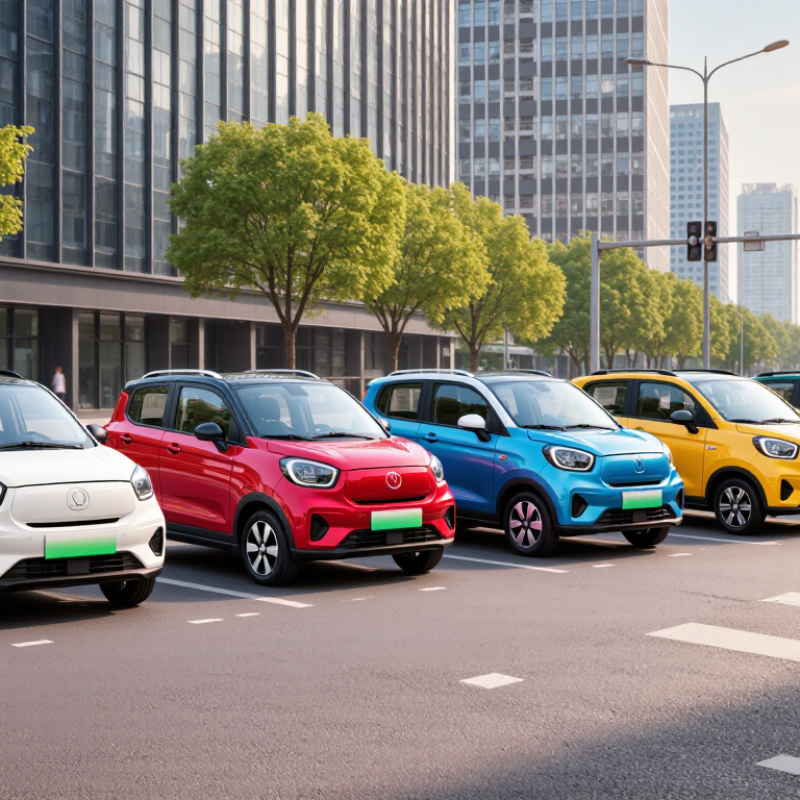
head_banner

Top Mini Electric Cars for Global Buyers?

The global search for a practical Mini Carro Electrico is moving beyond novelty. Buyers now want low running costs, simple parking, reliable range, and safety equipment that suits crowded urban streets. The question is no longer whether small electric cars can work. It is whether they work across different climates, charging systems, roads, and household budgets.

The International Energy Agency reported that global electric-car sales exceeded 17 million in 2024. China represented more than half of those sales, while Europe and the United States remained important markets. BloombergNEF also recorded a major decline in average battery-pack prices, reaching about 115 dollars per kilowatt-hour in 2024. That change supports more affordable models, although retail prices still vary sharply by region. Fatih Birol, the IEA’s Executive Director, said, “The electric car market is experiencing exponential growth.” The trend is clear.

Yet small does not mean automatically efficient. A tiny battery may deliver impressive city range, but winter heating, steep roads, heavy passengers, and motorway speeds can reduce it quickly. Charging access matters too. A glossy specification sheet cannot replace daily experience.

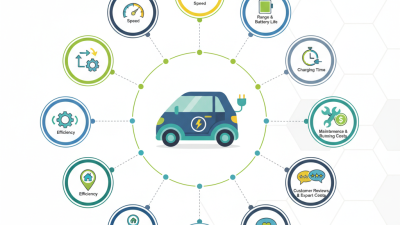
This guide compares leading mini electric cars for global buyers, including range, charging time, cabin practicality, safety, warranty support, and local availability. It also considers an uncomfortable reality: some attractive models are difficult to service outside their home markets. Buyers should look beyond the lowest price. The best choice may be less exciting, but easier to maintain.

Top Mini Electric Cars for Global Buyers?

Global Mini EV Market Scope: IEA Reported Over 14 Million EV Sales in 2023

Top Mini Electric Cars for Global Buyers?

The global mini EV market is gaining practical importance. The International Energy Agency reported over 14 million electric car sales in 2023. That figure represented nearly one in five new cars sold worldwide. It also shows why smaller electric vehicles deserve closer attention. Mini EVs use less parking space and often consume less energy. A short urban trip may require only a modest battery. This can reduce charging frequency for daily commuters. However, sales data does not reveal every buyer’s experience. Some markets still report limited information on vehicle size and ownership costs.

A strong mini EV should offer predictable range, clear safety equipment, and simple charging access. Buyers should check winter performance, battery warranty terms, and repair availability. A car displaying 250 kilometres of range may travel much less in cold weather or heavy traffic. Charging at home is convenient, but apartment residents may depend on public stations. Interior space also matters. Two adults may sit comfortably, while luggage space becomes tight quickly. I would not judge a model by range alone. That is an imperfect method. Local roads, electricity prices, and service coverage can matter more than laboratory figures. Careful test driving remains useful. Small does not always mean easy.

Vehicle Classes and Regulations: EU L6e Models Are Limited to 45 km/h

Top Mini Electric Cars for Global Buyers?

EU L6e models are light quadricycles, not ordinary passenger cars. Under Regulation (EU) No 168/2013, their design speed cannot exceed 45 km/h. Electric versions also face a 6 kW maximum continuous rated power limit. Battery weight is treated differently within the mass rules, which matters during product comparison. These limits suit short urban trips, narrow streets, and calmer residential roads. They can feel surprisingly practical. They are not built for fast highways.

The IEA’s Global EV Outlook 2024 recorded nearly 14 million electric car sales worldwide in 2023. However, that figure mainly covers conventional cars, not L6e vehicles. Buyers should avoid treating a small electric quadricycle as a cheaper replacement for every car. Range, charging access, weather protection, and luggage space can vary sharply. National rules also differ on licences, helmets, road access, parking, and minimum driver age. The 45 km/h ceiling may be acceptable in dense towns, but frustrating on outer-city routes. That trade-off deserves honest testing.

Tips: Check the exact homologation class before paying. Measure your daily route, including hills and winter temperatures. Ask whether home charging needs a dedicated circuit. Test the cabin with real shopping bags. Review local registration requirements through an official transport authority, not only a sales listing. Industry specifications sometimes look clearer than real driving conditions.

Battery, Range, and Charging: Compare WLTP Data and Usable Capacity

Top Mini Electric Cars for Global Buyers?

Battery, range, and charging figures can look simple, but small electric cars need closer reading. The European Union’s WLTP procedure offers a consistent comparison, yet it is not a promise for daily driving. A 35 kWh usable battery may deliver 230 kilometres under WLTP conditions. Cold weather, motorway speeds, heating, and passengers can reduce that figure sharply. Real-world results may fall 20–35% lower in winter. That estimate remains imperfect, because climate and driving habits vary widely.

Usable capacity matters more than total battery size. Manufacturers may advertise gross capacity, while software reserves part of it for protection. The International Energy Agency’s Global EV Outlook 2024 reports continuing battery-cost pressure and faster electric-car adoption, but battery size alone does not guarantee value. A smaller pack can charge efficiently and weigh less. However, it may feel restrictive on long journeys. Charging speed also deserves context. A 20–80% session can be practical, but repeated fast charging may take longer when the battery is cold.

Tips: Compare WLTP range with usable kWh, not brochure battery size. Check independent tests from organisations such as ADAC or national transport agencies. Test the car at 110 km/h, with lights and heating switched on. Then question your result. Numbers help, but your route decides the purchase.

Leading Global Models: Wuling Mini EV, Citroën Ami, and Microlino

Mini electric cars are becoming practical urban tools, not just novelty vehicles. The International Energy Agency reported over 14 million electric-car sales worldwide in 2023, representing about 18% of new-car sales. That growth strengthens interest in smaller, cheaper formats.

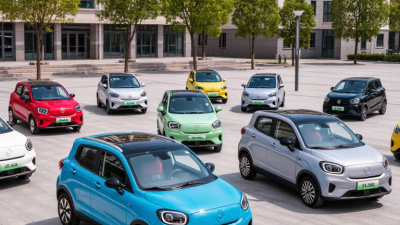
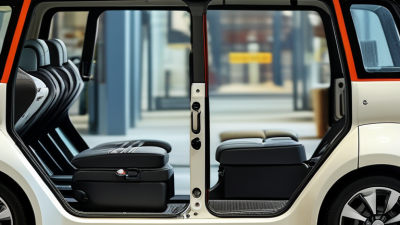
The Chinese four-seat mini EV focuses on value and tight streets. Its compact body fits narrow parking spaces, while basic versions offer roughly 120 to 300 kilometres of claimed range. Real winter range can fall sharply. That detail matters more than showroom figures.

The French two-seat quadricycle is different. It usually reaches 45 kilometres per hour and offers about 75 kilometres of claimed range. Its light cabin suits short city trips, but limited speed restricts road choices. European type-approval rules also place it outside normal passenger-car classifications. That is convenient, but sometimes confusing.

The Swiss bubble-style model adds stronger performance. Its higher-speed quadricycle category can approach 90 kilometres per hour, with a reported range near 175 kilometres under WLTP testing. A front-opening door and tiny footprint create a memorable parking experience. They may also complicate loading and emergency access.

Deloitte’s 2024 Global Automotive Consumer Study found that purchase price remains a major electric-vehicle concern. These vehicles answer that concern better than large electric cars. Still, published range comparisons are imperfect. Testing conditions differ, and cold weather exposes the gap. Buyers should check charging access, passenger needs, road limits, and local safety requirements before choosing a model.

Buyer Criteria by Region: Price, Safety Ratings, Incentives, and Service Support

Top Mini Electric Cars for Global Buyers?

A good mini electric car must match local realities, not just a low showroom price. In dense European cities, buyers may value a narrow body and low charging costs. In many Asian markets, affordable batteries and simple maintenance can matter more. North American buyers often need stronger crash protection and greater highway stability. Prices should include registration fees, home charging equipment, insurance, and battery warranties. A cheap purchase can become expensive after three years.

Safety ratings deserve careful checking. Compare independent crash tests conducted under your region’s standards. Look for reliable emergency braking, side-impact protection, clear visibility, and stable handling. Incentives also vary by country, city, income level, and vehicle size. Some programs reduce purchase taxes, while others support home chargers. Confirm current rules with official agencies. They change often. Service support is less glamorous, but crucial. Ask about nearby technicians, spare-part delivery, software updates, and battery inspection procedures. A long warranty means little if repairs require distant transport.

Tips: Request a written ownership estimate for five years. Test the car on rough streets, tight parking spaces, and faster roads. Check charging access before purchase. Review the emergency equipment and safety rating yourself. Do not trust a sales brochure alone. My own evaluation would still leave room for doubt, especially when regional data is incomplete. A small battery may suit short commutes, yet winter heating or heavy traffic can reduce its practical range sharply. Portugal’s incentives may not resemble Canada’s. Local evidence matters more than online excitement.