
head_banner

7 Tips for Choosing the Best Car for a Single Person

Choosing a Car For Single Person involves more than picking the smallest vehicle on the showroom floor. A solo driver may value easy parking, low fuel costs, and enough space for weekend equipment. However, personal routines matter more than trends. A compact hatchback may suit city streets. A small SUV could work better for rough roads, pets, or frequent luggage.

This guide explores seven practical tips for making that decision with confidence. It considers purchase price, insurance, maintenance, fuel economy, comfort, safety technology, and resale value. These details can change the real cost of ownership. A low sticker price may hide expensive tires or poor reliability. Check service records. Read independent safety ratings. Ask a qualified mechanic to inspect a used car before payment.

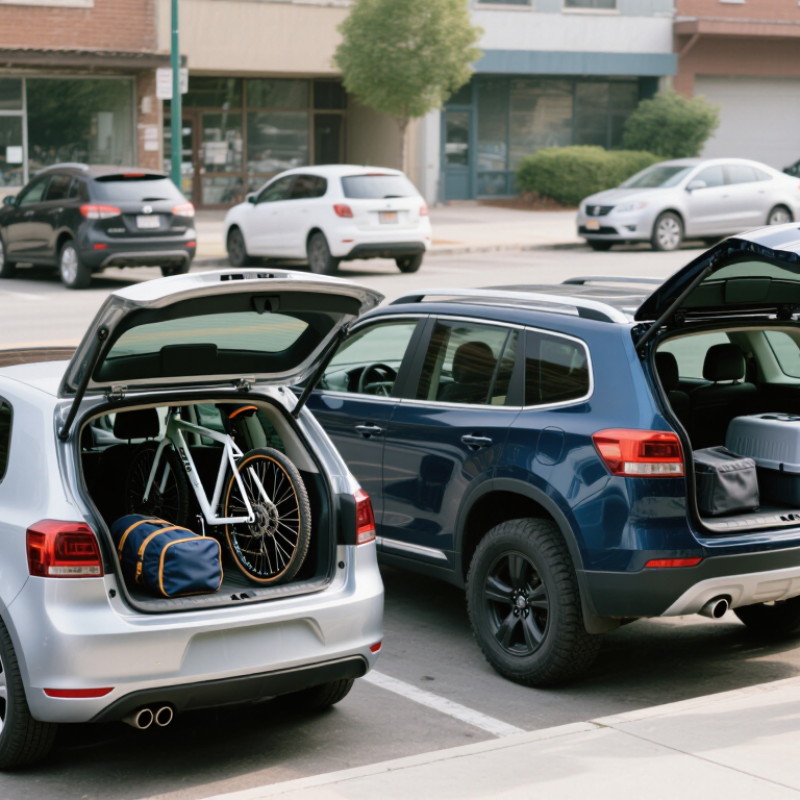
Small details often decide daily satisfaction. Can a bicycle fit behind the seats? Does the driver’s door open comfortably in a narrow parking space? Are replacement parts available locally? These questions deserve honest answers. I once underestimated cargo space and regretted it during a long weekend trip. That mistake taught me to test practical needs, not imagined lifestyles.

No car is perfect. Some choices demand compromise. A sporty model may consume more fuel, while an efficient electric car may require careful charging plans. The best option should match your budget, driving habits, and future changes. Take a test drive in traffic. Listen for unusual sounds. Compare real ownership costs before making a responsible choice.

7 Tips for Choosing the Best Car for a Single Person

Define Your Driving Needs and Daily Travel Patterns

Choosing the best car for one person starts with understanding how you actually travel. Track your driving for seven days, including commute length, traffic, parking time, and weekend trips. Short city journeys may favor a compact car with clear visibility and easy maneuvering. Frequent highway travel demands stable handling, supportive seats, and low cabin noise.

Write down your daily load. A laptop, gym bag, groceries, or musical equipment can quickly fill a small trunk. If you often carry bicycles or bulky items, measure the storage area rather than trusting a sales description. Measure twice. Also consider your local weather. Strong rain, snow, or steep roads can change the equipment and traction you need.

I once underestimated parking difficulty because my usual route looked simple on a map. The actual streets were narrow, crowded, and full of tight turns. My first fuel-cost estimate was wrong too, because weekend mileage was much higher than expected. A realistic test drive should copy your routine, including rush-hour traffic and a familiar parking space. Review maintenance access, insurance estimates, charging or fueling convenience, and seating comfort before deciding. A car that feels impressive for twenty minutes may become tiring after several months.

Set a Realistic Budget for Purchase and Ongoing Ownership

A realistic car budget begins with more than the advertised purchase price. Write down your monthly income, fixed bills, savings goal, and emergency reserve. Then choose a payment that leaves breathing room after rent, food, and utilities.

A useful rule is keeping total car costs below 15% of take-home pay, although personal circumstances matter.

Include registration fees, insurance, fuel, parking, tires, servicing, and unexpected repairs. A used car may cost less upfront but require older parts and more frequent maintenance. A newer car can reduce repair risk, yet its insurance and financing charges may be higher.

Ask a qualified mechanic to inspect any used vehicle before payment. That inspection can reveal worn brakes, fluid leaks, or neglected service records.

I once underestimated parking and seasonal tire costs. That mistake made an affordable monthly payment feel expensive. Leave a repair reserve for at least several months of ownership. Keep it separate from your normal spending.

Also compare loan offers by total repayment, not only the monthly figure. Low payments can hide a long contract and substantial interest.

If the budget works only when nothing goes wrong, it is too tight. Recheck the numbers after a realistic fuel estimate and one uncomfortable repair scenario.

Compare Vehicle Size, Comfort, and Practical Storage

7 Tips for Choosing the Best Car for a Single Person

A single driver rarely needs the largest vehicle. A compact hatchback or small crossover can provide easier parking, lower running costs, and useful flexibility. The U.S. EPA’s 2024 Automotive Trends Report recorded average new-vehicle fuel economy at about 27 miles per gallon for the 2022 model year. That figure makes efficiency worth checking, even when storage matters.

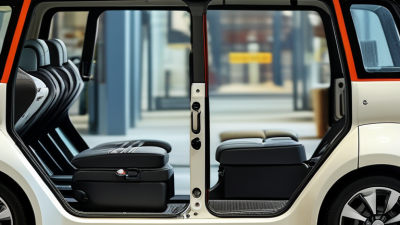
Compare the rear seats, cargo-floor length, and opening height. A narrow trunk may look adequate but fail with a folded bicycle or two large grocery bags.

Tip 1: Sit in the driver’s seat for ten minutes.

Check thigh support, shoulder room, pedal alignment, and outward visibility.

Tip 2: Test the storage in person.

Bring your work bag, jacket, and daily shopping items.

Tip 3: Measure the cargo area with the rear seats upright and folded.

Official cargo figures can miss awkward wheel arches. I once trusted a brochure measurement and regretted it.

Comfort also depends on noise, seat adjustment, suspension softness, and climate-control reach. J.D. Power’s 2024 U.S. Initial Quality Study found infotainment problems remained a frequent complaint, so operate the screen before buying. Do not ignore physical controls.

AAA’s 2024 Your Driving Costs report estimated average annual vehicle ownership at $12,297, making insurance, fuel, maintenance, and tires important comparisons.

Smaller is not always better. A cramped seat can make every commute feel longer.

Test the vehicle on rough pavement, in a tight parking space, and with your normal belongings inside.

Evaluate Safety, Reliability, Fuel Economy, and Technology

7 Tips for Choosing the Best Car for a Single Person

Check independent crash-test ratings, not showroom claims. IIHS and NHTSA evaluate crash protection, restraints, and active safety systems. NHTSA recorded 40,901 U.S. traffic deaths in 2023, so emergency braking and lane support deserve careful attention. Inspect standard equipment, including blind-spot alerts and rear cross-traffic warnings. Compare dependability records before trusting a polished test drive. J.D. Power’s 2025 U.S. Vehicle Dependability Study reported 190 problems per 100 vehicles after three years. That number deserves reflection.

Calculate real fuel costs using your commute, not only laboratory figures. The EPA’s 2024 Automotive Trends Report placed average new-vehicle fuel economy at 27.1 mpg for model year 2023. Heavy traffic can reduce that result sharply. Test technology in actual conditions. Pair your phone, adjust the driver display, and try the assistance settings before buying. Confusing menus can become dangerous during a rainy evening commute.

Verify software update support and repair access. A single owner may depend heavily on one vehicle, especially during work travel. Check warranty limits, service intervals, and roadside assistance details. Reserve a repair buffer, even for a highly rated car. No report predicts every battery, sensor, or tire problem. I still prefer physical controls for essential functions. That preference may be old-fashioned, but it reduces distraction. Choose a compact footprint if street parking is common, yet confirm that the driver’s seat supports your back after thirty minutes.

7 Tips for Choosing the Best Car for a Single Person

Evaluate safety, reliability, fuel economy, and technology before making a purchase.

This screening comparison uses a 0–10 scale. Safety emphasizes advanced crash protection and driver-assistance availability; reliability considers warranty coverage and long-term maintenance risk; fuel economy reflects typical EPA-rated efficiency; and technology measures useful features such as automatic emergency braking, adaptive cruise control, blind-spot monitoring, smartphone integration, and over-the-air updates. Scores are representative benchmarks rather than ratings for any specific vehicle.

Reference framework: U.S. EPA fuel-economy ratings, NHTSA five-star safety ratings, IIHS safety guidance, and common new-vehicle equipment standards.

Test-Drive Shortlisted Cars and Make the Final Choice

After narrowing your list, schedule test drives on roads you use every week. Try city streets, rough surfaces, parking spaces, and faster traffic. A quiet showroom cannot reveal everything.

Sit in the driver’s seat for at least fifteen minutes. Check visibility, seat adjustment, mirror coverage, and access to controls. Bring your usual bag or laptop. It may expose awkward storage. Test the brakes gently, then firmly, where safe. Listen for rattles, steering vibration, or delayed gear changes. I once dismissed a minor seat discomfort, and daily driving made it surprisingly irritating.

Tip: Drive shortlisted cars back-to-back on the same day. Differences become easier to notice.

Do not rely only on a salesperson’s claims. Review independent safety results, service schedules, warranty terms, fuel or charging costs, and insurance estimates. Ask an experienced mechanic to inspect a used car before payment. Take notes immediately after each drive, including comfort, visibility, noise, and confidence. A simple scorecard can prevent excitement from controlling the decision. Sleep on it. Then repeat the strongest test drive alone, if permitted, because conversation can hide concentration problems. The best choice should feel manageable, not merely impressive.